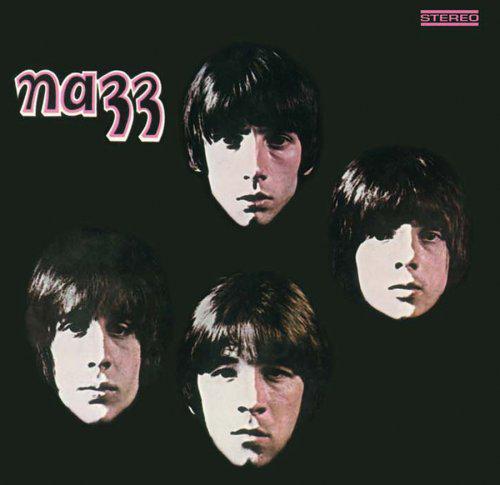
Nazz

Rock
Psychedelic Rock
Power Pop
 Viberate Rank: 183454
 Viberate Rank: 183454
 Monthly ListenersFollowers
 Subscribers
 Followers
 Followers
 FansTop Spotify Songs
| Track | 7-Day Streams | |
|---|---|---|
1 | 2.90K | |
2 | 2.90K | |
3 | 1.11K | |
4 | 839 | |
5 | 505 |
Top YouTube VideosMonthly ListenersFeatured in Playlists| Playlist | Followers | |
|---|---|---|
1 |  Very Beautiful Songs Alex Delany | 24.83K |
2 |  Obscure 60s/70s Psychedelic Rock Jason LeValley | 15.23K |
3 |  The NTS Breakfast Show w/ Flo - NTS NTS ᵇᵒᵗ (killed 2026/03) | 12.70K |
4 |  70s Proto-Metal, Heavy Psych & Obscure Hard Rock Jordan Edrei | 11.27K |
5 |  Nuggets: Complete Original Artyfacts Kevin Nielsen | 11.03K |
Audience| City | Monthly Listeners | |
|---|---|---|
1 | | 287 |
2 | | 231 |
3 | | 229 |
4 | | 211 |
5 |  | 172 |
See full performance history, audience data, playlist activity, rankings, comparisons, and more in Viberate music analytics. Start with a free trial, then continue with a paid plan.
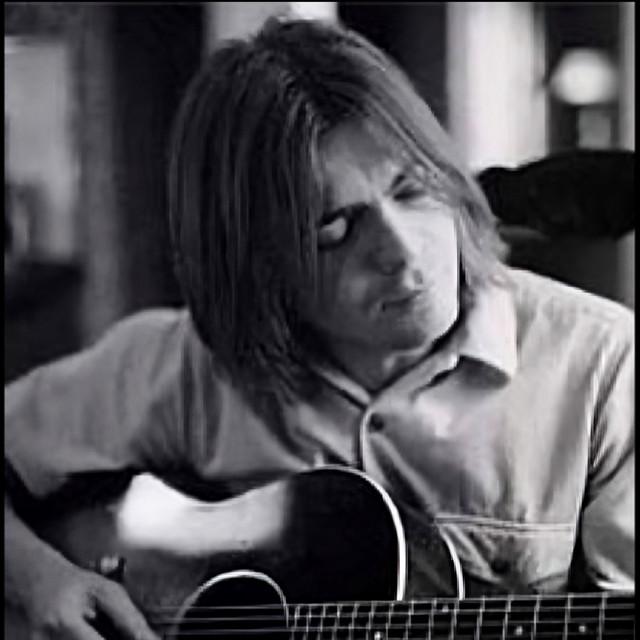
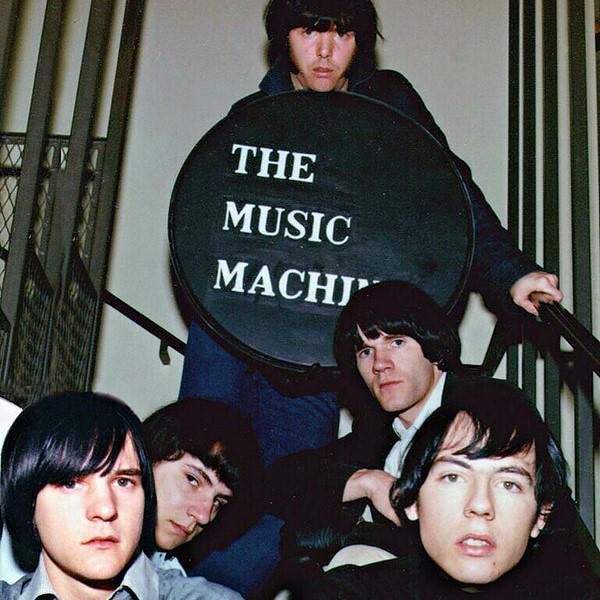
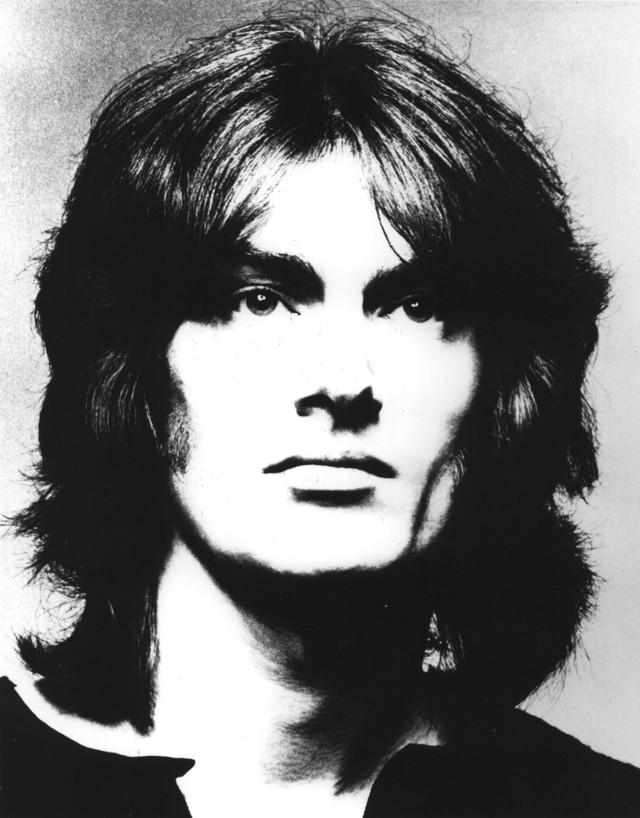
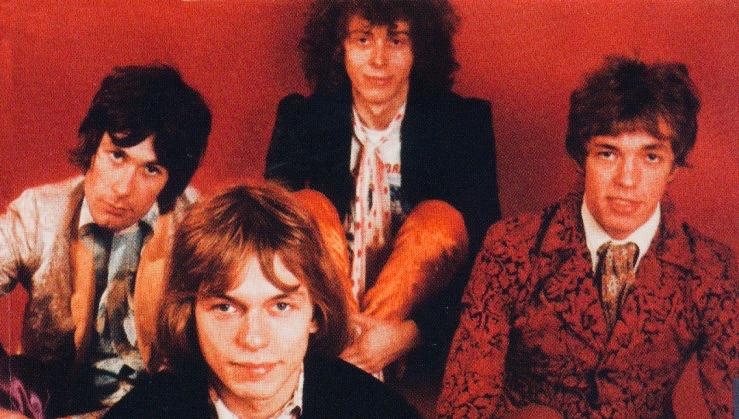
Nazz’s Spotify BioInspired by a variety of British Invasion groups, from the omnipresent Beatles to cult favorites the Move, Todd Rundgren and his Woody's Truck Stop colleague Carson Van Osten formed the Nazz in 1967. Taking their name from an obscure Yardbirds song, the Nazz were arguably the first Anglophiles in rock history. There had been many groups that drew inspiration from the Beatles and the Stones, but none had been so self-consciously reverent as the Nazz. One of their first singles, "Open My Eyes," twisted the riff from the Who's "I Can't Explain," and much of their music felt like homages to Brit rock from the Kinks to Cream, thereby setting a precedent that was followed by scores of North American guitar pop bands from the Raspberries to Sloan.
Playing lead guitar and bass, respectively, Rundgren and Van Osten were joined by drummer Thom Mooney (formerly of the Munchkins) and lead vocalist/keyboardist Stewkey (born Robert Antoni). The Nazz had their first gig in July 1967, landing an… opening slot at a Doors concert. By September, the group received some financial support from the local record store Bartoff & Warfield, who also put them in touch with John Kurland, a record promoter who was looking for a guitar pop band. Kurland took a shine to the Nazz and signed on as their manager. Throughout the fall, they practiced in their new home base of Great Neck, New York. Kurland and his associate, Michael Friedman, prevented the band from gigging regularly, believing that a lack of performances would increase demand for the group. The managers were were convinced that the Nazz could be marketed as a sharp, stylish boy band for the teenybopper audience, and helped the quartet members to refashion themselves in that mode.
With a wardrobe of clothes and an album's worth of material ready, Kurland and Friedman had the Nazz sign with SGC Records -- an offshoot of Atlantic Records and Columbia-Screen Gems -- in the summer of 1968. Their debut album, Nazz, appeared in October, supported by the single "Hello It's Me." Although the song would later become a major hit for Rundgren as a solo artist, the dirgey original version barely scraped the national charts, largely due to mismanagement. The managers wanted the Nazz to play only large halls, which was virtually impossible for an unknown, unproven band with a newly released debut album. As a result, most of the group's publicity was limited to glamour shots and puff pieces in teen mags. Ironically, many of the articles emphasized the band's "electrifying" live performances.
"Hello It's Me" managed to reach number 71 on the charts, and the record -- particularly the Nazz's self-production of "Open My Eyes" and "Hello It's Me" -- attracted some good notices. Taking this as a cue, the Nazz headed to England to cut their second album, but they became embroiled in work visa problems. Undaunted, they returned to America and began work on an ambitious self-produced double album named Fungo Bat. By the time it was released in April 1969, it was trimmed to a single album and titled Nazz Nazz. Although the project's scale was diminished, the music remained dizzyingly diverse, as the record ran the gamut from psychedelic rockers to pop ballads. One problem emerged, however. In the process of editing, much of Rundgren's newer, Laura Nyro-influenced material -- which he had sung himself -- was left on the shelves. Neither the management nor his bandmates gave Rundgren much encouragement to sing, nor was his new introspective direction warmly received by his colleagues. Faced with a no-win situation, Rundgren left the group not long after their summer 1969 tour; by that time, Van Osten had already departed the band.
Stewkey took control of the Nazz, erased Rundgren's vocals from the album sitting in the vaults, and replaced them with his own. The result was released as Nazz III in 1970, but it stiffed. Mooney departed the group, later to play with such bands as the Curtis Brothers, Tattoo, and Paris. Stewkey joined Fuse, an Anglophile power pop group featuring future Cheap Trick guitarist Rick Nielsen. Mooney also played with Fuse, but left before Cheap Trick bassist Tom Petersson joined and the group became Sick Man of Europe. ~ Stephen Thomas Erlewine, Rovi
Viberate is a music analytics platform built for A&Rs, artist managers, labels, booking agents, marketers, and artists.
It helps music professionals track artist growth, analyze audience data, monitor playlist activity, compare artists, follow song performance, and identify opportunities across the music market.
Public artist pages provide a free preview of selected artist data. Paid plans provide access to deeper analytics, historical data, charts, comparisons, playlist tools, exports, alerts, reports, and additional professional features.
Yes. Public Viberate artist pages provide selected artist analytics and music data for free.
Viberate also offers a 7-day free trial of the full platform. A credit card is required to start the trial. The trial includes access to the complete product so users can test deeper artist analytics, historical views, playlist insights, comparisons, charts, exports, alerts, and reporting features before choosing a paid plan.
Viberate provides artist analytics across streaming, playlists, social media, video, radio airplay, songs, and audience markets.
Users can analyze Spotify performance, Spotify and Apple Music playlists, YouTube activity, TikTok and Instagram growth, radio spins, song performance, audience locations, demographics, rankings, and overall artist momentum.
Artist profiles also connect to music charts, similar artists, and comparison tools, helping users benchmark performance and evaluate artists in context.
Viberate updates key artist and track data daily.
For followed artists and tracks, selected data is refreshed multiple times per day. This helps teams monitor playlist changes, streaming movement, audience growth, releases, and campaign performance with more current data.
Update frequency can vary depending on the metric and data source.
Yes. Viberate lets users compare up to five artists side by side across streaming, social media, audience, and engagement metrics.
Users can compare fanbase growth, audience demographics, locations, Spotify performance, social metrics, and other artist data over selected time periods.
Artist comparison can be used for A&R scouting, benchmarking, booking decisions, campaign planning, and evaluating artists with similar audiences or market positions.