Tomorrow

Rock
Psychedelic Rock
 Viberate Rank: 351432
 Viberate Rank: 351432
 Monthly ListenersFollowers
 Subscribers
 Followers
 Followers
 FansTop Spotify Songs
| Track | 7-Day Streams | |
|---|---|---|
1 | 1.51K | |
2 | 1.51K | |
3 | 1.30K | |
4 | 1.30K | |
5 | 996 |
Top YouTube VideosMonthly ListenersFeatured in Playlists| Playlist | Followers | |
|---|---|---|
1 |  Nuggets I & II: Original Artyfacts Hans Selander | 37.11K |
2 |  Psychedelic 60s 70s Marcos Vinícius de Oliveira | 16.94K |
3 |  Obscure 60s/70s Psychedelic Rock Jason LeValley | 15.23K |
4 |  Now Again - Egon's Selections Egon | 14.10K |
5 |  Sitar Psychedelia Kieran McManus | 11.60K |
Audience| City | Monthly Listeners | |
|---|---|---|
1 | | 132 |
2 |  | 109 |
3 | | 77 |
4 |  | 74 |
5 | | 73 |
See full performance history, audience data, playlist activity, rankings, comparisons, and more in Viberate music analytics. Start with a free trial, then continue with a paid plan.
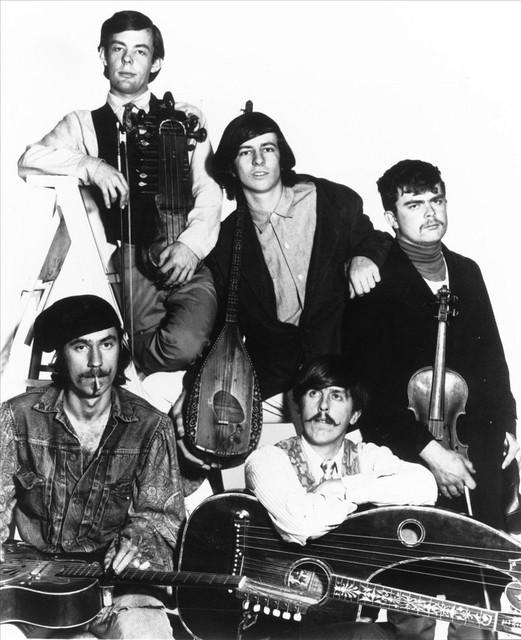
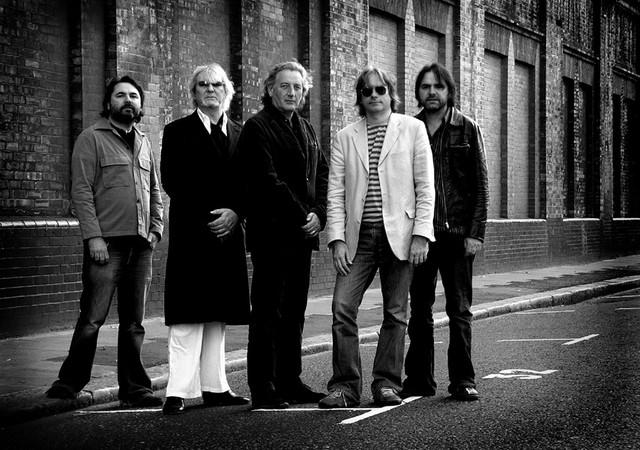
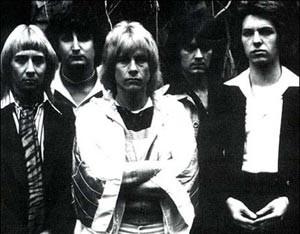
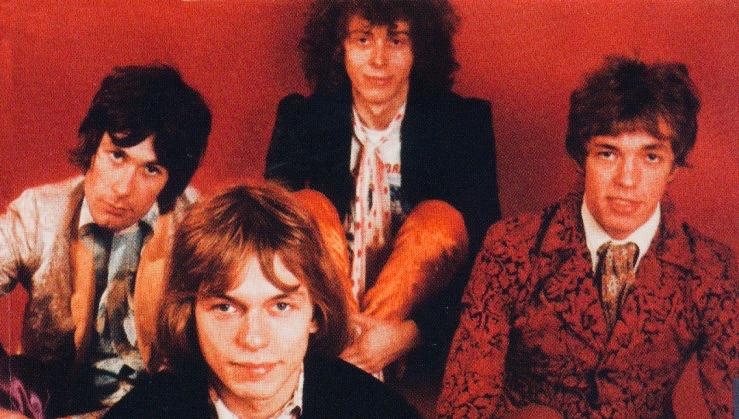
Tomorrow’s Spotify BioIn the early days of British psychedelia, three bands were consistently cited as first-generation figureheads of the London-based underground sound: Pink Floyd, the Soft Machine, and Tomorrow. Pink Floyd became superstars and the Soft Machine influential cult legends, but Tomorrow is mostly remembered (if at all) for featuring Steve Howe as their lead guitarist in his pre-Yes days. Actually, Tomorrow was nearly the equal of the two more celebrated outfits. Along with the early Floyd and Soft Machine, they shared a propensity for flower-power whimsy. Though they were less recklessly innovative and imaginative, their songwriting was accomplished, with adroit harmonies, psychedelic guitar work, and adventurous structures and tempo changes. They never succumbed to mindless indulgence or jamming; indeed, their tracks were rather short and tightly woven in comparison with most psychedelic bands. A couple singles (especially "My White Bicycle") were underground favorites, but the group only… managed to record one album before breaking up in 1968. Lead singer Keith West, even before the breakup, had a number two British hit with "Excerpt From a Teenage Opera," which helped inspire Pete Townshend's Tommy. Drummer Twink joined the Pretty Things and, later, the Pink Fairies. ~ Richie Unterberger, Rovi
Viberate is a music analytics platform built for A&Rs, artist managers, labels, booking agents, marketers, and artists.
It helps music professionals track artist growth, analyze audience data, monitor playlist activity, compare artists, follow song performance, and identify opportunities across the music market.
Public artist pages provide a free preview of selected artist data. Paid plans provide access to deeper analytics, historical data, charts, comparisons, playlist tools, exports, alerts, reports, and additional professional features.
Yes. Public Viberate artist pages provide selected artist analytics and music data for free.
Viberate also offers a 7-day free trial of the full platform. A credit card is required to start the trial. The trial includes access to the complete product so users can test deeper artist analytics, historical views, playlist insights, comparisons, charts, exports, alerts, and reporting features before choosing a paid plan.
Viberate provides artist analytics across streaming, playlists, social media, video, radio airplay, songs, and audience markets.
Users can analyze Spotify performance, Spotify and Apple Music playlists, YouTube activity, TikTok and Instagram growth, radio spins, song performance, audience locations, demographics, rankings, and overall artist momentum.
Artist profiles also connect to music charts, similar artists, and comparison tools, helping users benchmark performance and evaluate artists in context.
Viberate updates key artist and track data daily.
For followed artists and tracks, selected data is refreshed multiple times per day. This helps teams monitor playlist changes, streaming movement, audience growth, releases, and campaign performance with more current data.
Update frequency can vary depending on the metric and data source.
Yes. Viberate lets users compare up to five artists side by side across streaming, social media, audience, and engagement metrics.
Users can compare fanbase growth, audience demographics, locations, Spotify performance, social metrics, and other artist data over selected time periods.
Artist comparison can be used for A&R scouting, benchmarking, booking decisions, campaign planning, and evaluating artists with similar audiences or market positions.