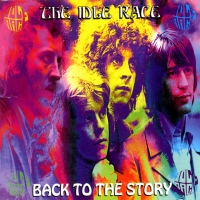
The Idle Race

Rock
Psychedelic Rock
Pop Rock
Alternative Rock
 Viberate Rank: 195454
 Viberate Rank: 195454
 Monthly ListenersFollowers
 Subscribers
 Followers
 Followers
 FansTop Spotify Songs
| Track | 7-Day Streams | |
|---|---|---|
1 | 3.00K | |
2 | 1.18K | |
3 | 734 | |
4 | 600 | |
5 | 586 |
Top YouTube VideosMonthly ListenersFeatured in Playlists| Playlist | Followers | |
|---|---|---|
1 |  Psychedelic Rock Spotify | 1.27M |
2 |  ELO Greatest Hits DJ Dijk | 118.61K |
3 |  Nuggets I & II: Original Artyfacts Hans Selander | 37.11K |
4 |  Twin Peaks Vibes 📺 maddie f | 36.94K |
5 | Unofficial Reverb Radio Jeff Ferruzzo | 21.82K |
Audience| City | Monthly Listeners | |
|---|---|---|
1 | | 403 |
2 |  | 243 |
3 |  | 242 |
4 | | 226 |
5 | | 215 |
See full performance history, audience data, playlist activity, rankings, comparisons, and more in Viberate music analytics. Start with a free trial, then continue with a paid plan.
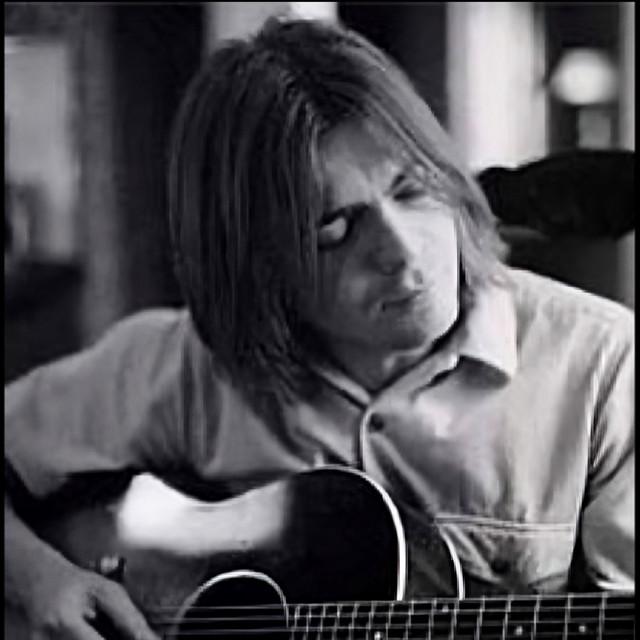
The Idle Race’s Spotify BioUnsung heroes of the U.K. pop-psych community, the Idle Race earned plenty of critical acclaim but little commercial success during their 1966 to 1972 lifespan. They did, however, help launch the careers of several British rockers of note, most significantly Jeff Lynne, who first presented his talents to the world on the group's 1968 debut album, The Birthday Party. The band also introduced Lynne to Roy Wood, paving the way for their later work together in the Move and Electric Light Orchestra. The history of the Idle Race also mirrors the timeline of the first decade or so of British rock, as they evolved from an early rock combo to a beat group, then into a psychedelic band, and fading into tough, working class rock. Full of sparkling melodies and imaginative arrangements that made exceptional use of the then-novel Mellotron, the group's debut, 1968's The Birthday Party, was an album whose impact and influence would far outstrip its meager sales figures, and Lynne stepped up to… produce their self-titled second LP in 1969. The band cut a third album, 1971's Time Is, a more prog- and folk-rock-inspired effort recorded after Lynne left the group and before breaking up.
Hailing from Birmingham in England's West Midlands, the Idle Race's family tree traces back to 1959 and the formation of the band Billy King and the Nightriders. In addition to singer and frontman Billy King, the lineup featured guitarists Al Johnson and Dave Pritchard, bassist Brian Cope, and drummer Roger Spencer. King dropped out of the group in 1962, and they became Mike Sheridan and the Nightriders when Sheridan (real name Mike Tyler) took over as vocalist. By 1963, Al Johnson had parted ways with the Nightriders, and Roy Wood stepped in as lead guitarist, while Greg Masters replaced Brian Cope on bass. This edition of the band scored a recording contract with EMI, releasing five singles between 1963 and 1966, including September 1965's "Take My Hand" b/w "Make Them Understand," the latter being Roy Wood's first song to be professionally released. At the end of 1965, Wood left the Nightriders to form the Move, and Johnny Mann, formerly of Carl Wayne and the Vikings, became their lead guitarist; Sheridan also stepped down, and the official name simply became the Nightriders.
After their deal with EMI ran out with no hits to show for their efforts, the Nightriders signed with Polydor, but not long after the ink was dry on the contract, Johnny Mann left the group. Needing a new guitarist, and fast, they hired a young player named Jeff Lynne, who showed great talent but had never been in a band before. Lynne would play on what would prove to be the Nightriders' first and last single for Polydor, "It's Only the Dog" b/w "Your Friend," issued in November 1966.
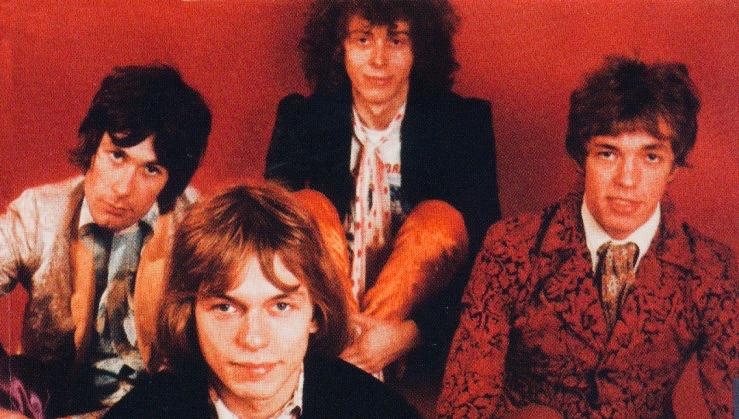
The quartet of Jeff Lynne, Greg Masters, Dave Pritchard, and Roger Spencer found themselves in a changing musical landscape where beat music and R&B were giving way to newer and more innovative sounds, and Lynne's Beatlesque songwriting reflected the trends towards psychedelic pop. A name change was in order, and after briefly billing themselves as the Idyll Race, they changed it to the wittier Idle Race. The American label Liberty Records was launching a U.K. branch, and after Roy Wood put the Idle Race in touch with producers Eddy Offord and Gerald Chevin, the group became one of the new label's first signings.
With Offord and Chevin at the controls, the Idle Race released their debut single, "Imposters of Life's Magazine" b/w "Sitting in my Tree," in October 1967, and "Here We Go 'Round the Lemon Tree" b/w "My Father's Son" followed shortly after, through a recording of the A-side by the Move led to the Idle Race's version stalling on the charts. The Idle Race's debut album, The Birthday Party, was released in October 1968, and quickly earned praise for its witty and sparkling tunes and inventive arrangements and production, many taking advantage of the Mellotron keyboard. The album was championed by influential disc jockeys John Peel and Kenny Everett and received positive reviews, but Liberty's misguided promotion of the release and their failure to issue a single from the album after it arrived in stores prevented The Birthday Party from finding an audience.
After the commercial disappointment of The Birthday Party, Jeff Lynne was offered an opportunity to join the Move by Roy Wood, but Lynne chose to stick with his group and work on their second album. Lynne was producer on 1969's The Idle Race, which put the band's music into a slightly less eccentric but similarly pop-friendly context. Despite another set of strong reviews, The Idle Race fared no better commercially than The Birthday Party, and Liberty chose not to release it in the United States. Lynne grew increasingly frustrated with the group's failure to score a hit, and when Wood reached out to him again in early 1970 with another offer to join the Move, he accepted.
Liberty dropped the Idle Race, but Greg Masters, Dave Pritchard, and Roger Spencer chose to keep the band going. They recruited two new members -- Dave Walker on vocals and harmonica, and Mike Hopkins on guitar and vocals -- and negotiated a new record deal with the EMI-distributed Regal Zonophone imprint. A glimmer of hope appeared when the new lineup recorded a cover of Mungo Jerry's "In the Summertime" that rose to the Top Ten of the singles charts in Argentina. 1971's Time Is found the Idle Race moving away from their Beatles-influenced pop sound and adding folk and progressive accents to their music. Despite stardom in Argentina, the LP fell on deaf ears in the U.K., and months after it came out, Dave Pritchard and Roger Spencer quit the band. Walker and Hopkins followed suit, and Greg Masters put together another edition of the Idle Race with Dave Carroll and Bob Wilson on guitars and Bob Lamb on drums. In February 1972, Masters bailed out; shortly before he quit, Steve Gibbons became the group's lead singer, and with Trevor Burton stepping in to play bass, the final Idle Race lineup became the Steve Gibbons Band.
After working together in the final era of the Move, Jeff Lynne and Roy Wood would form Electric Light Orchestra in late 1970, and following the release of their first album, Wood left to form his own band, Wizzard, leaving Lynne to rework ELO into one of the most successful groups of the '70s and '80s. As ELO achieved global fame, the Idle Race's cult following grew with time, and The Birthday Party was periodically reissued, most notably in an expanded two-CD edition in 2020. Roger Spencer would also develop a show business career of his own when he became a successful comedian under the name Ollie Spencer. ~ Mark Deming, Rovi
Viberate is a music analytics platform built for A&Rs, artist managers, labels, booking agents, marketers, and artists.
It helps music professionals track artist growth, analyze audience data, monitor playlist activity, compare artists, follow song performance, and identify opportunities across the music market.
Public artist pages provide a free preview of selected artist data. Paid plans provide access to deeper analytics, historical data, charts, comparisons, playlist tools, exports, alerts, reports, and additional professional features.
Yes. Public Viberate artist pages provide selected artist analytics and music data for free.
Viberate also offers a 7-day free trial of the full platform. A credit card is required to start the trial. The trial includes access to the complete product so users can test deeper artist analytics, historical views, playlist insights, comparisons, charts, exports, alerts, and reporting features before choosing a paid plan.
Viberate provides artist analytics across streaming, playlists, social media, video, radio airplay, songs, and audience markets.
Users can analyze Spotify performance, Spotify and Apple Music playlists, YouTube activity, TikTok and Instagram growth, radio spins, song performance, audience locations, demographics, rankings, and overall artist momentum.
Artist profiles also connect to music charts, similar artists, and comparison tools, helping users benchmark performance and evaluate artists in context.
Viberate updates key artist and track data daily.
For followed artists and tracks, selected data is refreshed multiple times per day. This helps teams monitor playlist changes, streaming movement, audience growth, releases, and campaign performance with more current data.
Update frequency can vary depending on the metric and data source.
Yes. Viberate lets users compare up to five artists side by side across streaming, social media, audience, and engagement metrics.
Users can compare fanbase growth, audience demographics, locations, Spotify performance, social metrics, and other artist data over selected time periods.
Artist comparison can be used for A&R scouting, benchmarking, booking decisions, campaign planning, and evaluating artists with similar audiences or market positions.