Billy Nicholls

Rock
Psychedelic Rock
Progressive Rock
 Viberate Rank: 273314
 Viberate Rank: 273314
 Monthly ListenersFollowers
 Subscribers
 Followers
 Followers
 FansTop Spotify Songs
| Track | 7-Day Streams | |
|---|---|---|
1 | 547 | |
2 | 529 | |
3 | 478 | |
4 | 468 | |
5 | 462 |
Top YouTube VideosMonthly ListenersFeatured in Playlists| Playlist | Followers | |
|---|---|---|
1 |  Caribou - The Longest Mixtape: 1000+ Songs For You Caribou | 53.23K |
2 |  Obscure 60s/70s Psychedelic Rock Jason LeValley | 15.23K |
3 |  Now Again - Egon's Selections Egon | 14.10K |
4 |  This Is Small Faces Spotify | 11.85K |
5 | 60s Psychedelic Trip andreas1965-71 | 8.20K |
Audience| City | Monthly Listeners | |
|---|---|---|
1 |  | 148 |
2 | | 98 |
3 |  | 64 |
4 | | 59 |
5 | | 47 |
See full performance history, audience data, playlist activity, rankings, comparisons, and more in Viberate music analytics. Start with a free trial, then continue with a paid plan.
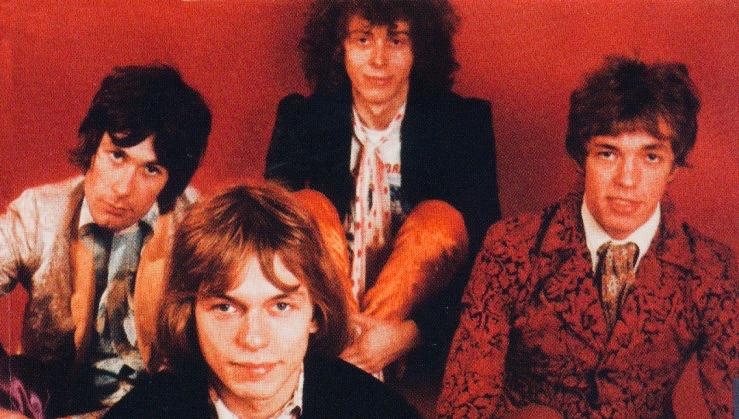
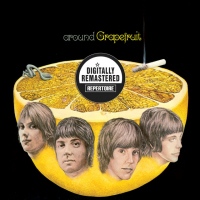
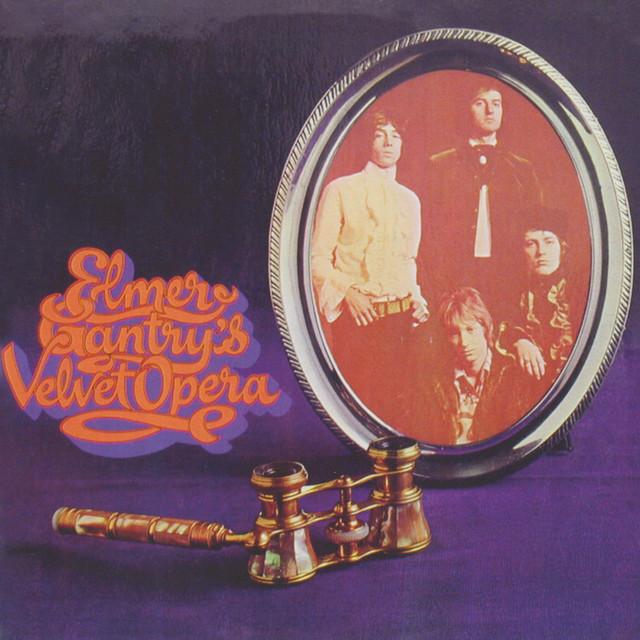
Billy Nicholls’ Spotify BioWhile still in his teens, Billy Nicholls recorded one of the more sought-after rarities of British psychedelic pop, "Would You Believe." Nicholls was one of the most Beach Boys-influenced British singer/songwriters, and "Would You Believe" often recalled the Pet Sounds/SMiLE period in its melodic construction and ornate production. The album understandably betrayed greater traces of late-'60s British psychedelia than the Beach Boys' efforts did, and it would be foolish to put Nicholls on the same level as Brian Wilson, as "Would You Believe" ultimately displayed more promise than pure genius. Nonetheless, that promise was considerable, and it is a shame that the album was essentially unreleased after it was finished in 1968 (although a few dozen promotional copies went out). This short-circuited Nicholls' career, and although he did some recording in later years, he's mostly known by mainstream rock fans (if at all) for his peripheral role in some group and individual member projects… by the Who.
Nicholls was only 16 in 1966 when he worked up the nerve to ask George Harrison for help in getting his songs heard and recorded. After some demos for Beatles publisher Dick James, Nicholls came to the attention of Rolling Stones manager Andrew Oldham, then starting his progressive but short-lived Immediate label. Nicholls was hired as a staff songwriter for Immediate, and wrote songs for fellow Immediate act Del Shannon; the Nicholls compositions "Led Along, " "Cut and Come Again, " and "Friendly with You, " none of which were on Nicholls' own album, were all recorded by Shannon in February 1967. Nicholls soon became a recording artist for the label as well, putting out the "Would You Believe"/"Daytime Girl" single in January 1968. This was a collision of Los Angeles sunshine pop and Swinging London, as was the album of material that Nicholls cut. Nicholls' vocals were spruced up with plenty of vocal harmonies and orchestral-depth layers of guitars and keyboards, with contributions from members of the Small Faces, future Humble Pie drummer Jerry Shirley, and top session musicians like Nicky Hopkins, John Paul Jones, and Big Jim Sullivan.
Although the prodigy's record was planned for an April 1968 release, it was -- for still-foggy reasons -- withheld, with the exception of some copies sent to radio stations and reviewers. Immediate was always in tenuous financial shape (despite big hits by the Small Faces), and Nicholls was not the only artist to suffer from the non-release or poor promotion of material cut for the label. However, perhaps no other Immediate musician was shafted as badly, as Nicholls' career never seemed to get off the ground after the album's cancellation, although he did some uncredited backing vocals for the Small Faces' Ogden's Nut Gone Flake. Nicholls did finally release a solo album, Love Songs, in 1974, and was part of White Horse, which did an album in 1977; another Nicholls solo album, Under One Banner, came out in 1990.
However, Nicholls is most recognized for some work with the Who. He co-wrote, played, and sang on "Forever's No Time at All" on Pete Townshend's debut solo album, Who Came First. He wrote singles for Roger Daltrey and Leo Sayer and did some backing vocals on the Who's Who Are You album, as well as the Tommy film soundtrack. In the post- Keith Moon years he did some work as the Who's musical director. The Would You Believe album, which sold for astronomical prices on the collectors' market due to its rarity, was finally reissued on CD in 1999. ~ Richie Unterberger, Rovi
Viberate is a music analytics platform built for A&Rs, artist managers, labels, booking agents, marketers, and artists.
It helps music professionals track artist growth, analyze audience data, monitor playlist activity, compare artists, follow song performance, and identify opportunities across the music market.
Public artist pages provide a free preview of selected artist data. Paid plans provide access to deeper analytics, historical data, charts, comparisons, playlist tools, exports, alerts, reports, and additional professional features.
Yes. Public Viberate artist pages provide selected artist analytics and music data for free.
Viberate also offers a 7-day free trial of the full platform. A credit card is required to start the trial. The trial includes access to the complete product so users can test deeper artist analytics, historical views, playlist insights, comparisons, charts, exports, alerts, and reporting features before choosing a paid plan.
Viberate provides artist analytics across streaming, playlists, social media, video, radio airplay, songs, and audience markets.
Users can analyze Spotify performance, Spotify and Apple Music playlists, YouTube activity, TikTok and Instagram growth, radio spins, song performance, audience locations, demographics, rankings, and overall artist momentum.
Artist profiles also connect to music charts, similar artists, and comparison tools, helping users benchmark performance and evaluate artists in context.
Viberate updates key artist and track data daily.
For followed artists and tracks, selected data is refreshed multiple times per day. This helps teams monitor playlist changes, streaming movement, audience growth, releases, and campaign performance with more current data.
Update frequency can vary depending on the metric and data source.
Yes. Viberate lets users compare up to five artists side by side across streaming, social media, audience, and engagement metrics.
Users can compare fanbase growth, audience demographics, locations, Spotify performance, social metrics, and other artist data over selected time periods.
Artist comparison can be used for A&R scouting, benchmarking, booking decisions, campaign planning, and evaluating artists with similar audiences or market positions.