Montrose

Rock
Hard Rock
 Viberate Rank: 51479
 Viberate Rank: 51479
 Monthly ListenersFollowers
 Subscribers
 Followers
 Followers
 FansTop Spotify Songs
| Track | 7-Day Streams | |
|---|---|---|
1 | 35.38K | |
2 | 22.93K | |
3 | 17.04K | |
4 | 10.09K | |
5 | 9.40K |
Top YouTube VideosMonthly ListenersFeatured in Playlists| Playlist | Followers | |
|---|---|---|
1 |  Boston - 50th Anniversary -- Classic Rock Retrogamer PlayStation®️ | 48.68K |
2 | Hard Rock Party Hits 1969-1991 bergdalen00 | 42.51K |
3 |  NASA Moon Tunes Playlist Third Rock Radio | 26.95K |
4 |  70's Rock - The Ultimate Playlist Filtr Legacy Sweden | 26.33K |
5 | Good Oldies 50's 60's and 70's Jeroen Raaijmakers | 21.80K |
Audience| City | Monthly Listeners | |
|---|---|---|
1 | | 3.54K |
2 |  | 2.11K |
3 | | 2.02K |
4 | | 1.92K |
5 | | 1.85K |
See full performance history, audience data, playlist activity, rankings, comparisons, and more in Viberate music analytics. Start with a free trial, then continue with a paid plan.
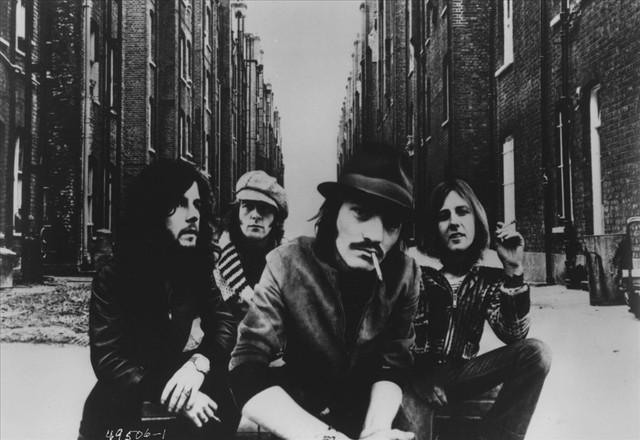
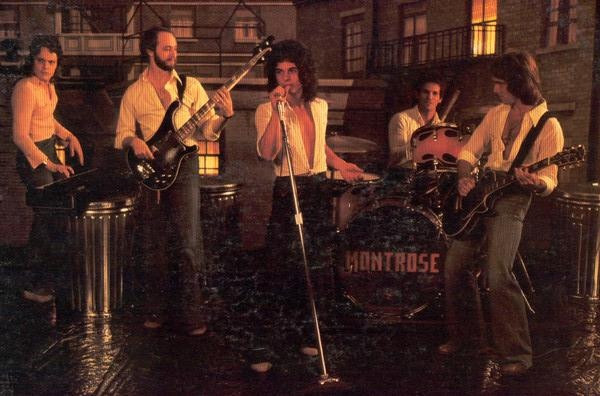
Montrose’s Spotify BioOne of the first American-bred hard rock groups to challenge British supremacy in the early '70s, Montrose are remembered as, if not the most successful, then certainly one of the most influential bands of the era. In fact, many of the personalities responsible for the group's legendary self-titled debut (producer Ted Templeman, engineer Donn Landee, vocalist Sammy Hagar) would later become instrumental players in the formative and latter-day career of the mighty Van Halen. And to his credit, though he ultimately lacked the focus and leadership skills to consistently guide his band's career, guitarist Ronnie Montrose was a true original on the instrument. His superlative playing aside, the avid big-game hunter lived the guitar-playing gunslinger lifestyle long before Ted Nugent made the combination famous.
After cutting his teeth as a session musician with the likes of Van Morrison and the Edgar Winter Group, Ronnie Montrose decided to form his own, self-named band in 1973. Enlisting… the help of fellow session pros Bill Church (bass), Denny Carmassi (drums), and a talented up-and-coming California singer named Sammy Hagar, Montrose soon released their eponymous first album in November of that year. Although it never broke the Billboard Top 100, Montrose eventually went platinum and was arguably the first full-fledged heavy metal album by an American band (early proto-metal efforts by Blue Cheer and Steppenwolf notwithstanding). With classics like "Space Station No. 5" and "Bad Motor Scooter" leading the charge to the nation's airwaves, it is still considered one of the finest, most influential releases of the decade to boot. But trouble was already looming, as Church quit the group soon after and was replaced by bassist/keyboard player Alan Fitzgerald for the ensuing tour. Released less than a year after their debut, Paper Money proved to be a surprisingly diverse but unfocused follow-up that failed to match its predecessor's popularity. Making things worse, escalating tensions between Ronnie Montrose and Hagar soon led to the latter's departure following the Paper Money tour. (Hagar went on to an increasingly successful solo career and eventually, of course, Van Halen.)
Hagar's replacement was relative newcomer Bob James, but it was new full-time keyboardist Jim Alcivar who quickly placed his stamp on the group's appropriately titled third album, Warner Bros. Presents Montrose!, which was released at the tail end of 1975 and produced by Ronnie himself. Soon after the release, Fitzgerald departed the band (he later became a member of Night Ranger). New bassist Randy Jo Hobbs performed on 1976's Jack Douglas-produced Jump on It. Also poorly received and boasting an ill-conceived album cover to match, it never had a chance and the musicians soon went their separate ways. Carmassi joined Hagar's solo band (also featuring Bill Church by then) and later played with Heart and many others. As for committed outdoorsman Ronnie Montrose, the guitarist took some time off to enjoy his other hobbies before releasing three albums with new band Gamma in the early '80s. He recorded under the Montrose name once again for 1987's Mean, a one-off affair featuring singer Johnny Edwards (later briefly of Foreigner), bassist Glenn Letsch, and drummer James Kottak (soon to form Kingdom Come, and eventually a member of the Scorpions).
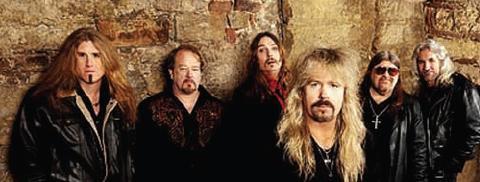
In early 2002, Ronnie Montrose formed a new Montrose lineup with bassist Chuck Wright (Quiet Riot), drummer Pat Torpey (Mr. Big), and singer Keith St. John (Burning Rain). They played West Coast dates throughout the year in support of their Rhino compilation The Very Best of Montrose. Montrose continued his production and session work, and would tour regularly over the last dozen years of his life, despite battling prostate cancer during the late 2000s. A self-inflicted gunshot ended his life on March 3, 2012. ~ Eduardo Rivadavia, Rovi
Viberate is a music analytics platform built for A&Rs, artist managers, labels, booking agents, marketers, and artists.
It helps music professionals track artist growth, analyze audience data, monitor playlist activity, compare artists, follow song performance, and identify opportunities across the music market.
Public artist pages provide a free preview of selected artist data. Paid plans provide access to deeper analytics, historical data, charts, comparisons, playlist tools, exports, alerts, reports, and additional professional features.
Yes. Public Viberate artist pages provide selected artist analytics and music data for free.
Viberate also offers a 7-day free trial of the full platform. A credit card is required to start the trial. The trial includes access to the complete product so users can test deeper artist analytics, historical views, playlist insights, comparisons, charts, exports, alerts, and reporting features before choosing a paid plan.
Viberate provides artist analytics across streaming, playlists, social media, video, radio airplay, songs, and audience markets.
Users can analyze Spotify performance, Spotify and Apple Music playlists, YouTube activity, TikTok and Instagram growth, radio spins, song performance, audience locations, demographics, rankings, and overall artist momentum.
Artist profiles also connect to music charts, similar artists, and comparison tools, helping users benchmark performance and evaluate artists in context.
Viberate updates key artist and track data daily.
For followed artists and tracks, selected data is refreshed multiple times per day. This helps teams monitor playlist changes, streaming movement, audience growth, releases, and campaign performance with more current data.
Update frequency can vary depending on the metric and data source.
Yes. Viberate lets users compare up to five artists side by side across streaming, social media, audience, and engagement metrics.
Users can compare fanbase growth, audience demographics, locations, Spotify performance, social metrics, and other artist data over selected time periods.
Artist comparison can be used for A&R scouting, benchmarking, booking decisions, campaign planning, and evaluating artists with similar audiences or market positions.