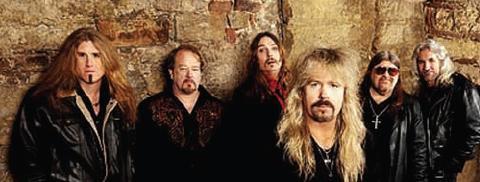
Molly Hatchet

Rock
Alternative Rock
Hard Rock
 Viberate Rank: 23465
 Viberate Rank: 23465
 Monthly ListenersFollowers
 Subscribers
 Followers
 Followers
 FansTop Spotify Songs
| Track | 7-Day Streams | |
|---|---|---|
1 | 109.49K | |
2 | 44.06K | |
3 | 21.77K | |
4 | 18.99K | |
5 | 14.60K |
Top YouTube VideosMonthly ListenersFeatured in Playlists| Playlist | Followers | |
|---|---|---|
1 |  Classic Rock Drive Spotify | 1.32M |
2 |  Classic Rock Workout Spotify | 863.20K |
3 |  Classic Rock Songs 60s 70s 80s 90s Music-Hits_. | 788.49K |
4 |  Southern Rock Spotify | 542.50K |
5 |  Supernatural Soundtrack [All Seasons] Solitude Collective | 507.85K |
Audience| City | Monthly Listeners | |
|---|---|---|
1 | | 8.10K |
2 | | 6.75K |
3 | | 5.93K |
4 | | 5.80K |
5 | | 5.60K |
See full performance history, audience data, playlist activity, rankings, comparisons, and more in Viberate music analytics. Start with a free trial, then continue with a paid plan.
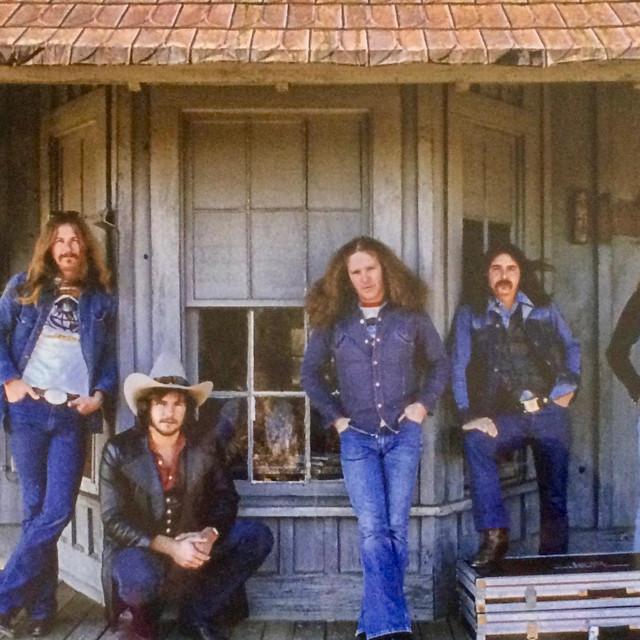
Molly Hatchet’s Spotify BioNamed after a legendary Southern prostitute who allegedly beheaded and mutilated her clients, Jacksonville's Molly Hatchet melded loud, hard-rock boogie with guitar jam-oriented Southern rock. Formed in 1971, the group's original lineup featured three guitarists -- Dave Hlubek, Steve Holland, and Duane Roland -- plus vocalist Danny Joe Brown, bassist Banner Thomas, and drummer Bruce Crump. They recorded a self-titled debut album in 1978, which quickly went platinum; the follow-up, Flirtin' with Disaster, was even more successful, selling over two million copies. Brown left the group in 1980 after the constant touring became too tiresome; he was replaced by Jimmy Farrar for Beatin' the Odds, but Farrar's voice was less immediately identifiable, and Molly Hatchet's commercial appeal began a slow decline. The band experimented with horns on Take No Prisoners, but Farrar left for a solo career soon afterward.
Brown rejoined the band in 1982, but the ensuing album, No Guts...No Glory,… flopped, and guitarist Hlubek insisted on revamping Molly Hatchet's sound. After The Deed Is Done, a straightforward pop/rock album, the group took some time off in 1985 while its Double Trouble Live album, a collection of some of its best-known songs, was released. Molly Hatchet returned in 1989 without Hlubek for an album of straight, polished AOR, Lightning Strikes Twice. Not even the group's fans bought the record, and Molly Hatchet disbanded shortly afterward. They reunited in the mid-'90s as an active touring outfit, releasing Devil's Canyon, their first record since Lightning Strikes Twice, in 1996.
Continuing to recapture the style of their glory days, Silent Reign of Heroes followed in 1998, and Kingdom of XII appeared in early 2001, the year after guitarist Bobby Ingram -- who had joined the group in 1987 -- assumed legal ownership of the "Molly Hatchet" trade name. A slew of live recordings from a group now undergoing significant changes from its original lineup appeared during the next few years, and the studio recording Warriors of the Rainbow Bridge was released in 2005, the same year that guitarist Hlubek rejoined the outfit after nearly two decades. Their 13th album, Justice, appeared in 2010. However, these post-millennial years also saw many of Molly Hatchet's early members pass away: Danny Joe Brown in 2005, Duane Roland in 2006, Bruce Crump in 2015, and Banner Thomas in 2017, the same year that also saw the passing of band co-founder Dave Hlubek. Steve Holland, the final surviving member of the original lineup, passed on August 2, 2020 at the age of 66. ~ Steve Huey, Rovi
Viberate is a music analytics platform built for A&Rs, artist managers, labels, booking agents, marketers, and artists.
It helps music professionals track artist growth, analyze audience data, monitor playlist activity, compare artists, follow song performance, and identify opportunities across the music market.
Public artist pages provide a free preview of selected artist data. Paid plans provide access to deeper analytics, historical data, charts, comparisons, playlist tools, exports, alerts, reports, and additional professional features.
Yes. Public Viberate artist pages provide selected artist analytics and music data for free.
Viberate also offers a 7-day free trial of the full platform. A credit card is required to start the trial. The trial includes access to the complete product so users can test deeper artist analytics, historical views, playlist insights, comparisons, charts, exports, alerts, and reporting features before choosing a paid plan.
Viberate provides artist analytics across streaming, playlists, social media, video, radio airplay, songs, and audience markets.
Users can analyze Spotify performance, Spotify and Apple Music playlists, YouTube activity, TikTok and Instagram growth, radio spins, song performance, audience locations, demographics, rankings, and overall artist momentum.
Artist profiles also connect to music charts, similar artists, and comparison tools, helping users benchmark performance and evaluate artists in context.
Viberate updates key artist and track data daily.
For followed artists and tracks, selected data is refreshed multiple times per day. This helps teams monitor playlist changes, streaming movement, audience growth, releases, and campaign performance with more current data.
Update frequency can vary depending on the metric and data source.
Yes. Viberate lets users compare up to five artists side by side across streaming, social media, audience, and engagement metrics.
Users can compare fanbase growth, audience demographics, locations, Spotify performance, social metrics, and other artist data over selected time periods.
Artist comparison can be used for A&R scouting, benchmarking, booking decisions, campaign planning, and evaluating artists with similar audiences or market positions.