Zebra

Rock
Hard Rock
Glam Metal
 Viberate Rank: 60210
 Viberate Rank: 60210
 Monthly ListenersFollowers
 Subscribers
 Followers
 Followers
 FansTop Spotify Songs
| Track | 7-Day Streams | |
|---|---|---|
1 | 19.16K | |
2 | 7.29K | |
3 | 3.76K | |
4 | 3.34K | |
5 | 3.09K |
Top YouTube VideosMonthly ListenersFeatured in Playlists| Playlist | Followers | |
|---|---|---|
1 |  80s & 90s HITS ⚡️ | The Ultimate Throwback Roman Lapčák | 111.22K |
2 |  80's Hair Bands Greatest Hits Bob Sheridan | 64.07K |
3 |  80’s Hair Metal & Rock halun1 | 40.35K |
4 |  FENRIZ METAL Gylve | 32.35K |
5 | 80s rock and metal Brob👾 | 21.71K |
Audience| City | Monthly Listeners | |
|---|---|---|
1 | | 444 |
2 | | 424 |
3 | | 300 |
4 | | 298 |
5 | | 289 |
See full performance history, audience data, playlist activity, rankings, comparisons, and more in Viberate music analytics. Start with a free trial, then continue with a paid plan.
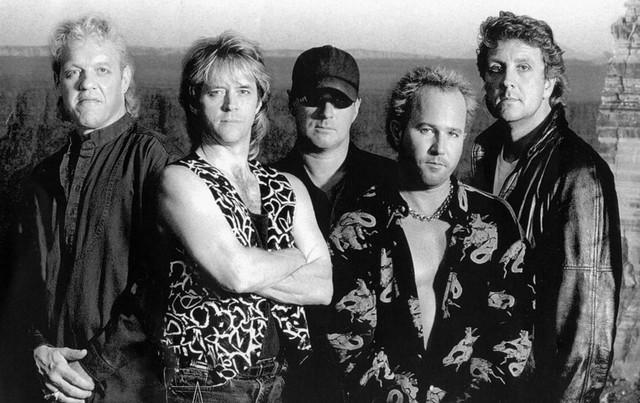
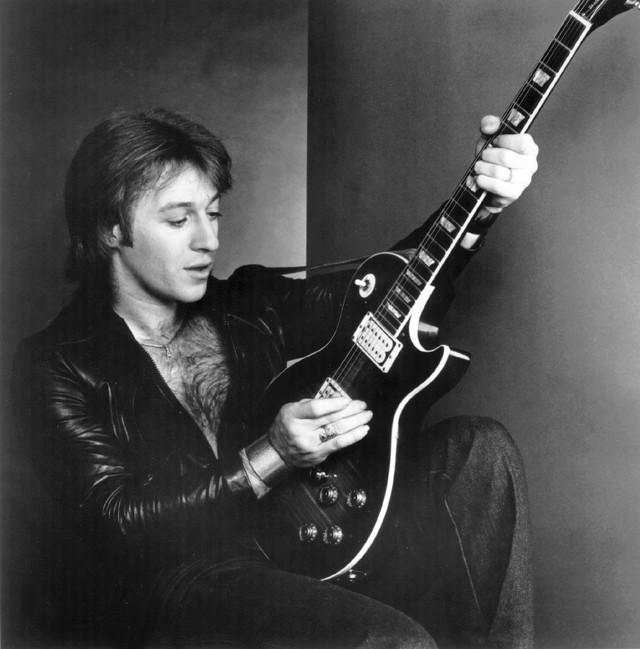
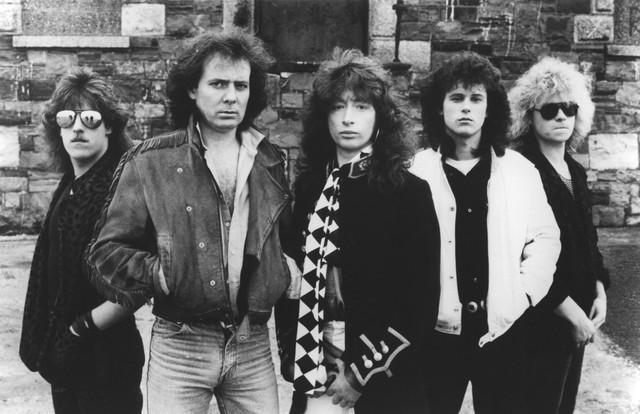
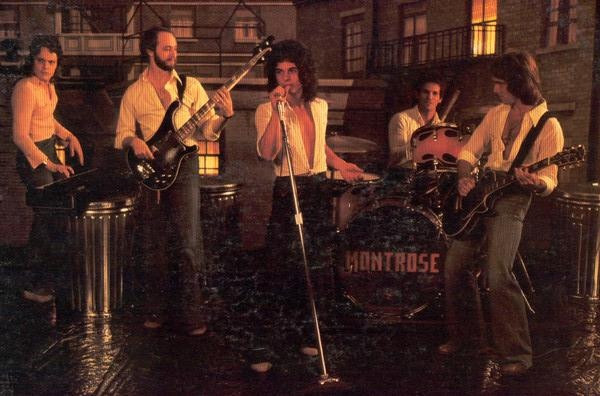
Zebra’s Spotify BioAmerican hard rock unit Zebra formed in New Orleans in the mid-1970s. The trio concocted their moniker from a Vogue magazine cover and soon won over the East Coast with expert Zep-like pomp-metal. Zebra's confident self-titled debut went gold, thanks to the air play of excellent singles "Tell Me What You Want" and "Who's Behind the Door." Vet producer Jack Douglas (Aerosmith, Cheap Trick) also helmed the follow-up, No Tellin' Lies. Not as strong or cohesive as the first effort, Lies still managed to crack the Billboard Top 100. The esoteric 3.V took a pop approach, but received little in the way of promotion. Always a strong presence on-stage, Zebra released a live recording in 1990 with two great unreleased gems. Vocalist/guitarist Randy Jackson, a redoubtable talent, then formed China Rain, but like Zebra, the outfit inevitably succumbed to the burgeoning alternative rock/grunge avalanche. After a significant hiatus, the band reconvened in 1997 and began playing shows, eventually… releasing their aptly-named fourth LP, IV, in 2003. ~ Doug Stone, Rovi
Viberate is a music analytics platform built for A&Rs, artist managers, labels, booking agents, marketers, and artists.
It helps music professionals track artist growth, analyze audience data, monitor playlist activity, compare artists, follow song performance, and identify opportunities across the music market.
Public artist pages provide a free preview of selected artist data. Paid plans provide access to deeper analytics, historical data, charts, comparisons, playlist tools, exports, alerts, reports, and additional professional features.
Yes. Public Viberate artist pages provide selected artist analytics and music data for free.
Viberate also offers a 7-day free trial of the full platform. A credit card is required to start the trial. The trial includes access to the complete product so users can test deeper artist analytics, historical views, playlist insights, comparisons, charts, exports, alerts, and reporting features before choosing a paid plan.
Viberate provides artist analytics across streaming, playlists, social media, video, radio airplay, songs, and audience markets.
Users can analyze Spotify performance, Spotify and Apple Music playlists, YouTube activity, TikTok and Instagram growth, radio spins, song performance, audience locations, demographics, rankings, and overall artist momentum.
Artist profiles also connect to music charts, similar artists, and comparison tools, helping users benchmark performance and evaluate artists in context.
Viberate updates key artist and track data daily.
For followed artists and tracks, selected data is refreshed multiple times per day. This helps teams monitor playlist changes, streaming movement, audience growth, releases, and campaign performance with more current data.
Update frequency can vary depending on the metric and data source.
Yes. Viberate lets users compare up to five artists side by side across streaming, social media, audience, and engagement metrics.
Users can compare fanbase growth, audience demographics, locations, Spotify performance, social metrics, and other artist data over selected time periods.
Artist comparison can be used for A&R scouting, benchmarking, booking decisions, campaign planning, and evaluating artists with similar audiences or market positions.