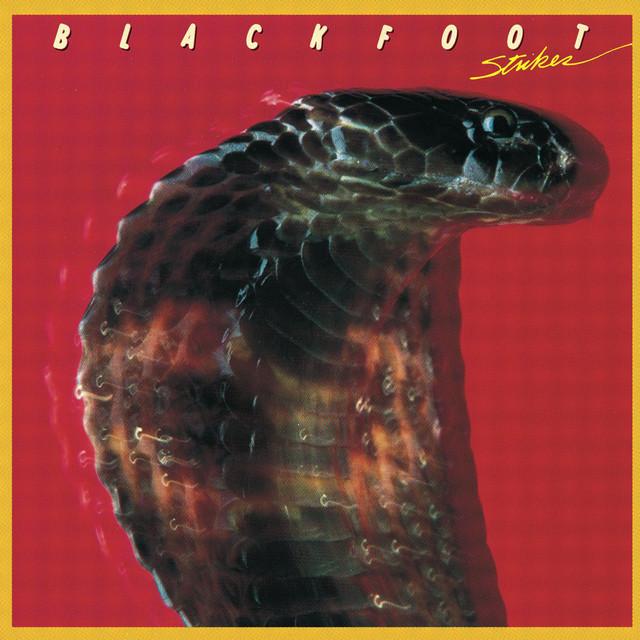
Blackfoot

Rock
Hard Rock
Alternative Rock
 Viberate Rank: 29959
 Viberate Rank: 29959
 Monthly ListenersFollowers
 Subscribers
 Followers
 Followers
 FansTop Spotify Songs
| Track | 7-Day Streams | |
|---|---|---|
1 | 139.94K | |
2 | 106.18K | |
3 | 42.17K | |
4 | 13.66K | |
5 | 12.21K |
Top YouTube VideosMonthly ListenersFeatured in Playlists| Playlist | Followers | |
|---|---|---|
1 |  Southern Rock Spotify | 542.50K |
2 |  Afro Psychedelica Spotify | 374.77K |
3 | Creed – Greatest Hits bradlnoble63 | 94.78K |
4 | Classics 60's - 90's scootbarz | 51.19K |
5 |  Classic Southern Rock Andy Aucoin | 50.48K |
Audience| City | Monthly Listeners | |
|---|---|---|
1 | | 9.89K |
2 | | 9.59K |
3 | | 8.68K |
4 | | 8.47K |
5 | | 7.28K |
See full performance history, audience data, playlist activity, rankings, comparisons, and more in Viberate music analytics. Start with a free trial, then continue with a paid plan.
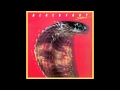
Blackfoot’s Spotify BioBlackfoot were contemporaries of Lynyrd Skynyrd, and tried for years to make it as a Southern rock band, although they finally succeeded as a hard rock outfit, in the manner of AC/DC and the Scorpions. They racked up a hit album (Strikes) and a pair of successful singles ("Train, Train," "Highway Song") in the late '70s and early '80s, before they became lost in the post-MTV era of visually oriented bands.
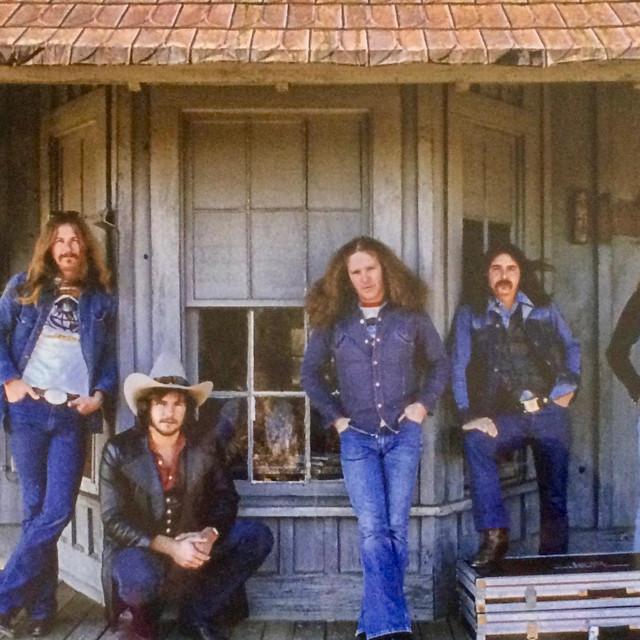
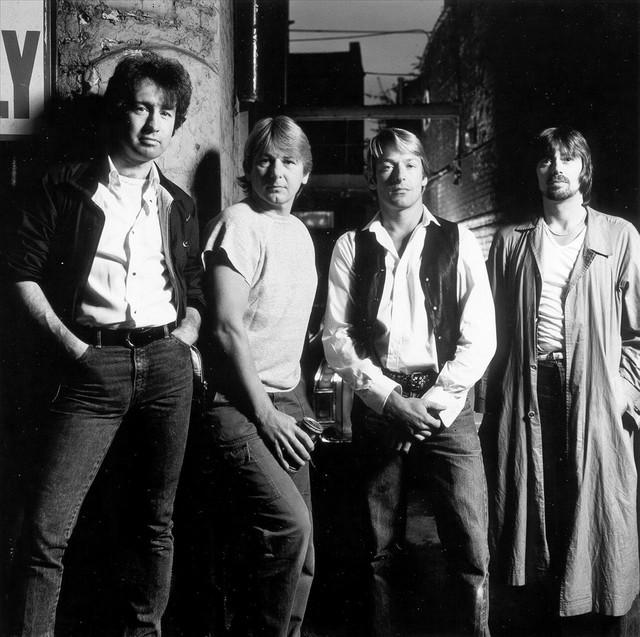
The group started out as a quartet comprising singer/guitarist Rickey Medlocke (the grandson of bluegrass musician Shorty Medlocke, who wrote "Train, Train"), drummer/singer Jakson Spires, bassist/singer Greg T. Walker, and lead guitarist Charlie Hargrett. Named Blackfoot as an acknowledgment of Medlocke's heritage, they were signed to Island in 1975, evidently as that label's resident Southern rockers, but moved to Epic the following year. Neither relationship was successful, but in 1979, after moving to Atco, their first album for the new label, Strikes, hit a responsive chord --… the group spent the next few years on that label, racking up impressive sales with the follow-ups Tomcattin' and Marauder.
In the mid-'80s, Blackfoot added ex-Uriah Heep keyboardist Ken Hensley in order to bring a new side to their sound. Their fortunes declined amid the advent of MTV and the growth in importance of rock video promotional clips, as well as the influence of sounds from Europe and Australia, and they never recovered, despite efforts to adapt their sound and image. Hensley was replaced, and a new lineup recorded Rick Medlocke & Blackfoot (1987). Only two albums, Medicine Man (1990) and After the Reign (1994), were released during the first half of the 1990s. Committed to his duties in Lynyrd Skynyrd, Medlocke put Blackfoot on ice in 1997.
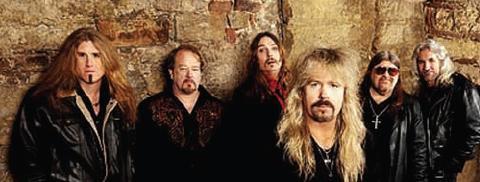
The following decade and into the 2010s, the band was active as a performing act featuring original members but not Medlocke. Blackfoot released a handful of live sets, including On the Run (2004) and Fly Away (2011). In 2012, Medlocke -- still part of Lynyrd Skynyrd -- chose four new musicians to represent Blackfoot and acted as the band's producer. ~ Bruce Eder, Rovi
Viberate is a music analytics platform built for A&Rs, artist managers, labels, booking agents, marketers, and artists.
It helps music professionals track artist growth, analyze audience data, monitor playlist activity, compare artists, follow song performance, and identify opportunities across the music market.
Public artist pages provide a free preview of selected artist data. Paid plans provide access to deeper analytics, historical data, charts, comparisons, playlist tools, exports, alerts, reports, and additional professional features.
Yes. Public Viberate artist pages provide selected artist analytics and music data for free.
Viberate also offers a 7-day free trial of the full platform. A credit card is required to start the trial. The trial includes access to the complete product so users can test deeper artist analytics, historical views, playlist insights, comparisons, charts, exports, alerts, and reporting features before choosing a paid plan.
Viberate provides artist analytics across streaming, playlists, social media, video, radio airplay, songs, and audience markets.
Users can analyze Spotify performance, Spotify and Apple Music playlists, YouTube activity, TikTok and Instagram growth, radio spins, song performance, audience locations, demographics, rankings, and overall artist momentum.
Artist profiles also connect to music charts, similar artists, and comparison tools, helping users benchmark performance and evaluate artists in context.
Viberate updates key artist and track data daily.
For followed artists and tracks, selected data is refreshed multiple times per day. This helps teams monitor playlist changes, streaming movement, audience growth, releases, and campaign performance with more current data.
Update frequency can vary depending on the metric and data source.
Yes. Viberate lets users compare up to five artists side by side across streaming, social media, audience, and engagement metrics.
Users can compare fanbase growth, audience demographics, locations, Spotify performance, social metrics, and other artist data over selected time periods.
Artist comparison can be used for A&R scouting, benchmarking, booking decisions, campaign planning, and evaluating artists with similar audiences or market positions.