Head East

Rock
Hard Rock
Alternative Rock
 Viberate Rank: 58899
 Viberate Rank: 58899
 Monthly ListenersFollowers
 Subscribers
 Followers
 Followers
 FansTop Spotify Songs
| Track | 7-Day Streams | |
|---|---|---|
1 | 91.97K | |
2 | 10.58K | |
3 | 7.68K | |
4 | 5.34K | |
5 | 3.82K |
Top YouTube VideosMonthly ListenersFeatured in Playlists| Playlist | Followers | |
|---|---|---|
1 |  Meredith Quill's Complete Awesome Mix James Gunn | 90.43K |
2 |  Dazed and Confused sound track Dan Lewis | 50.69K |
3 |  Dazed and Confused Soundtrack Cary Brecher | 46.88K |
4 | wicks Brennan McDowell | 43.73K |
5 |  Lake Boat Party Mix 2026 Dan S | 34.90K |
Audience| City | Monthly Listeners | |
|---|---|---|
1 | | 5.96K |
2 | | 4.44K |
3 | | 4.43K |
4 |  | 3.77K |
5 | | 3.72K |
See full performance history, audience data, playlist activity, rankings, comparisons, and more in Viberate music analytics. Start with a free trial, then continue with a paid plan.
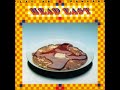
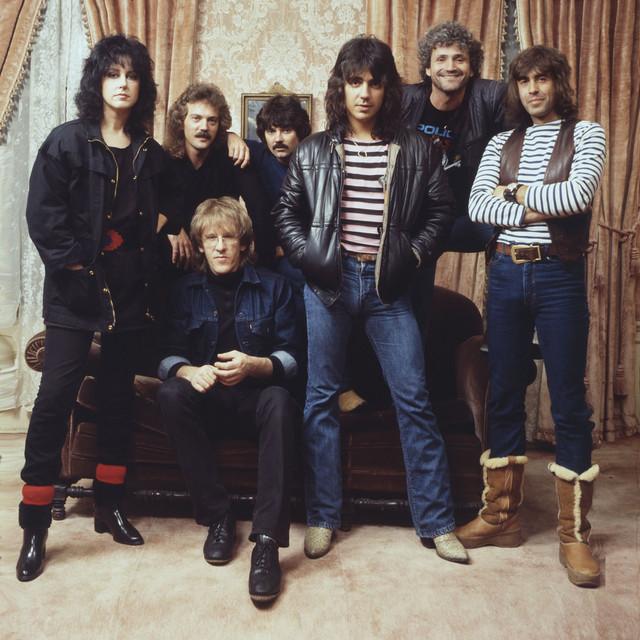
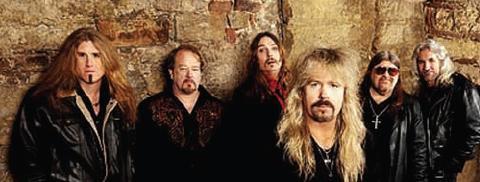
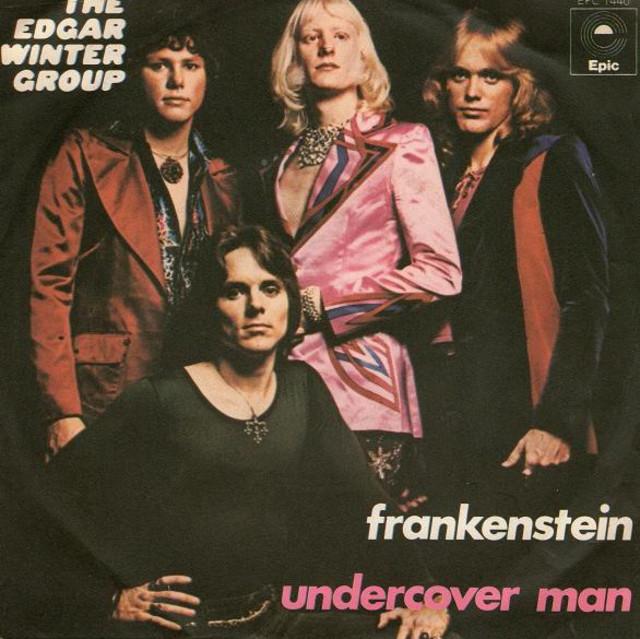
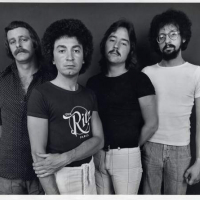
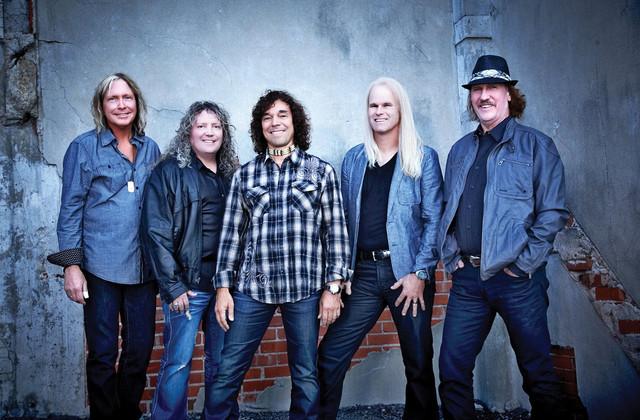
Head East’s Spotify BioHead East went through several lineups and musical approaches before consolidating in St. Louis in the early '70s as a hard rock quintet consisting of John Schlitt (vocals), Mike Somerville (guitar), Roger Boyd (keyboards), Dan Birney (bass), and Steve Huston (drums), all alumni of the University of Illinois. They recorded their debut album, Flat as a Pancake, independently and released it on their own Pyramid Records label in early 1975. When the track "Never Been Any Reason" began to attract radio attention, A&M Records signed the band and re-released Flat as a Pancake in June 1975. The singles "Never Been Any Reason" and "Love Me Tonight" became minor pop chart entries, and the album spent six months on the charts, eventually going gold. Get Yourself Up (April 1976) and Gettin' Lucky (March, 1977) were less successful, but Head East (February, 1978), spurred by the minor singles chart entry "Since You Been Gone," reached the upper half of the Top 100. The double-LP Head East Live!… (January, 1979) also peaked in the Top 100, as did A Different Kind of Crazy (October, 1979), and the band performed on the soundtrack to the comic anthology film J-Men Forever! (1979), but at the end of the year, Birney and Somerville left the group while Schlitt joined the Christian rock group Petra. Boyd and Huston recruited Mark Boatman, Tony Gross, and Dan Odum to record U.S. 1 (October 1980), Head East's last album to reach the charts and last newly recorded release on A&M; it was a minor chart entry. After its commercial heyday, Boyd led the band in continued touring and recording for small labels. The band was inducted into the Iowa Rock & Roll Music Association's Hall of Fame in 2011. ~ William Ruhlmann, Rovi
Viberate is a music analytics platform built for A&Rs, artist managers, labels, booking agents, marketers, and artists.
It helps music professionals track artist growth, analyze audience data, monitor playlist activity, compare artists, follow song performance, and identify opportunities across the music market.
Public artist pages provide a free preview of selected artist data. Paid plans provide access to deeper analytics, historical data, charts, comparisons, playlist tools, exports, alerts, reports, and additional professional features.
Yes. Public Viberate artist pages provide selected artist analytics and music data for free.
Viberate also offers a 7-day free trial of the full platform. A credit card is required to start the trial. The trial includes access to the complete product so users can test deeper artist analytics, historical views, playlist insights, comparisons, charts, exports, alerts, and reporting features before choosing a paid plan.
Viberate provides artist analytics across streaming, playlists, social media, video, radio airplay, songs, and audience markets.
Users can analyze Spotify performance, Spotify and Apple Music playlists, YouTube activity, TikTok and Instagram growth, radio spins, song performance, audience locations, demographics, rankings, and overall artist momentum.
Artist profiles also connect to music charts, similar artists, and comparison tools, helping users benchmark performance and evaluate artists in context.
Viberate updates key artist and track data daily.
For followed artists and tracks, selected data is refreshed multiple times per day. This helps teams monitor playlist changes, streaming movement, audience growth, releases, and campaign performance with more current data.
Update frequency can vary depending on the metric and data source.
Yes. Viberate lets users compare up to five artists side by side across streaming, social media, audience, and engagement metrics.
Users can compare fanbase growth, audience demographics, locations, Spotify performance, social metrics, and other artist data over selected time periods.
Artist comparison can be used for A&R scouting, benchmarking, booking decisions, campaign planning, and evaluating artists with similar audiences or market positions.