The Outlaws

Country
Americana/Alt Country
Alternative Rock
 Viberate Rank: 33681
 Viberate Rank: 33681
 Monthly ListenersFollowers
 Subscribers
 Followers
 Followers
 FansTop Spotify Songs
| Track | 7-Day Streams | |
|---|---|---|
1 | 76.45K | |
2 | 37.32K | |
3 | 23.71K | |
4 | 7.55K | |
5 | 7.09K |
Top YouTube VideosMonthly ListenersFeatured in Playlists| Playlist | Followers | |
|---|---|---|
1 |  Southern Rock Spotify | 542.50K |
2 |  Classic Rock Filtr Finland | 484.45K |
3 | Classic Rock Greatest Hits Scott Pruden | 341.40K |
4 | Creed – Greatest Hits bradlnoble63 | 94.78K |
5 |  The Best Of 70’s Keegan - Old Times Playlists | 63.51K |
Audience| City | Monthly Listeners | |
|---|---|---|
1 | | 4.87K |
2 | | 4.08K |
3 | | 3.84K |
4 | | 3.69K |
5 | | 3.65K |
See full performance history, audience data, playlist activity, rankings, comparisons, and more in Viberate music analytics. Start with a free trial, then continue with a paid plan.
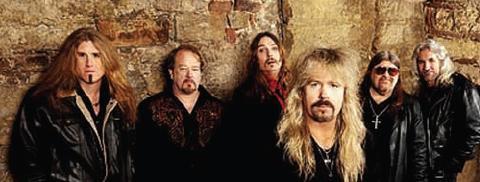
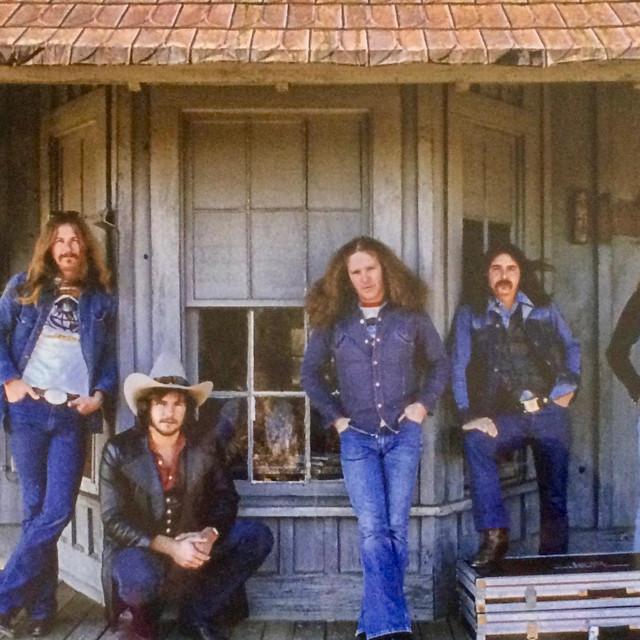
The Outlaws’ Spotify BioSouthern rock stalwarts the Outlaws are one of the leading lights to come out of the genre in the mid- to late '70s, mixing the rootsy guitar interplay of acts like the Allman Brothers Band and Lynyrd Skynyrd with the smoother harmonies and songcraft of the Eagles. The Outlaws became a success with the release of their self-titled debut in 1975, which featured the upbeat hit single "There Goes Another Love Song" and the extended guitar feature "Green Grass & High Tides," two of the most popular songs in their catalog. The band had a period of instability after numerous personnel changes, and they split up following the release of 1986's Soldiers of Fortune, but they became active again as a recording and touring unit after 2012's It's About Pride.
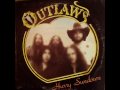
The Outlaws were formed in Tampa, Florida, in 1972 by singers/guitarists Hughie Thomasson and Henry Paul, bassist Frank O'Keefe, and drummer Monte Yoho. With the 1973 addition of guitarist Billy Jones, the lineup was complete, and after a year… of intense touring the band became the first act signed to Clive Davis' newly founded Arista Records label. The Outlaws' self-titled 1975 album spotlighted their Eagles-influenced harmonies and Allman Brothers-like guitar attack, yielding the Top 40 hit "There Goes Another Love Song."
In the wake of 1977's Bill Szymczyk-produced Hurry Sundown, both Paul and O'Keefe exited, with guitarist Freddie Salem, bassist Harvey Dalton Arnold, and second drummer David Dix signing on for two albums in 1978, the concert set Bring It Back Alive and the studio effort Playin' to Win. The lineup shuffles continued when Arnold announced his departure following 1979's In the Eye of the Storm, with bassist Rick Cua recruited for the next year's Ghost Riders in the Sky, which netted a Top 40 entry with its title track, a rendition of the Vaughn Monroe favorite. Soon after, Yoho left to rejoin Paul in his new group the Henry Paul Band, and with the subsequent exit of Jones, only Thomasson remained from the original Outlaws roster. Not surprisingly, the group disbanded upon completing 1982's Los Hombres Malo.
A year later, Thomasson and Paul formed a new Outlaws lineup, adding guitarist Chris Hicks, bassist Barry Borden, and drummer Jeff Howell; after issuing 1986's Soldiers of Fortune, Paul again quit the band, with the remaining quartet returning in 1993 with Hittin' the Road. While Paul resurfaced in 1994 in the chart-topping contemporary country band BlackHawk, Thomasson later toured with the re-formed Lynyrd Skynyrd while continuing to lead the Outlaws, releasing So Low in 2000.
Sadly, Jones and O'Keefe died within three weeks of one another in early 1995. In 2005, original members Thomasson, Paul, Yoho, and David Dix reunited as the Outlaws, rounding out the lineup with three members of BlackHawk, guitarist Chris Anderson, bassist Randy Threet, and keyboardist Dave Robbins. Paul and Robbins departed a year later to concentrate again on BlackHawk, while Thomasson, the only original member of the Outlaws to make it through all of the band's configurations, kept things going, reportedly finishing a new studio album, Once an Outlaw, before his death from a heart attack in 2007.
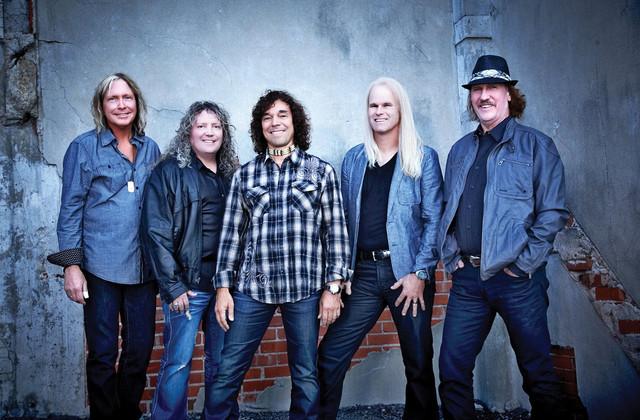
In 2012, a new edition of the Outlaws released a studio album, It's About Pride. Dedicated to Hughie Thomasson, Billy Jones, and Frank O'Keefe, the set featured Henry Paul, Monte Yoho, Chris Anderson, Randy Threet, and Dave Robbins from the Once an Outlaw lineup, alongside new members Billy Crain (guitar) and Joe Lala (percussion). In 2013, Billy Crain left the band due to medical problems, and Joe Lala died in 2014 after a bout with lung cancer. Steve Grisham, who played with the Outlaws from 1983 to 1986, rejoined the group as guitarist. A new concert album from this edition of the band, titled Legacy Live, arrived in 2016.
The German hard rock label Steamhammer issued a 2020 studio album, Dixie Highway, followed by a pair of archival live releases -- 2020's Live at Rockpalast 1981, a CD and DVD package preserving a show recorded for German television, and 2022's Alive in America, drawn from a 1975 radio recording of the Outlaws at Ebbets Field in Denver, Colorado. The band helped their fans celebrate the holiday season with the release of 2023's Southern Rock Christmas, a collection featuring tracks from Charlie Daniels, Point Blank, Blackhawk, Black Oak Arkansas, the Georgia Satellites, and more. The Outlaws' contribution to the set was an interpretation of the classic "What Child Is This?" ~ Jason Ankeny & Steve Leggett
Viberate is a music analytics platform built for A&Rs, artist managers, labels, booking agents, marketers, and artists.
It helps music professionals track artist growth, analyze audience data, monitor playlist activity, compare artists, follow song performance, and identify opportunities across the music market.
Public artist pages provide a free preview of selected artist data. Paid plans provide access to deeper analytics, historical data, charts, comparisons, playlist tools, exports, alerts, reports, and additional professional features.
Yes. Public Viberate artist pages provide selected artist analytics and music data for free.
Viberate also offers a 7-day free trial of the full platform. A credit card is required to start the trial. The trial includes access to the complete product so users can test deeper artist analytics, historical views, playlist insights, comparisons, charts, exports, alerts, and reporting features before choosing a paid plan.
Viberate provides artist analytics across streaming, playlists, social media, video, radio airplay, songs, and audience markets.
Users can analyze Spotify performance, Spotify and Apple Music playlists, YouTube activity, TikTok and Instagram growth, radio spins, song performance, audience locations, demographics, rankings, and overall artist momentum.
Artist profiles also connect to music charts, similar artists, and comparison tools, helping users benchmark performance and evaluate artists in context.
Viberate updates key artist and track data daily.
For followed artists and tracks, selected data is refreshed multiple times per day. This helps teams monitor playlist changes, streaming movement, audience growth, releases, and campaign performance with more current data.
Update frequency can vary depending on the metric and data source.
Yes. Viberate lets users compare up to five artists side by side across streaming, social media, audience, and engagement metrics.
Users can compare fanbase growth, audience demographics, locations, Spotify performance, social metrics, and other artist data over selected time periods.
Artist comparison can be used for A&R scouting, benchmarking, booking decisions, campaign planning, and evaluating artists with similar audiences or market positions.