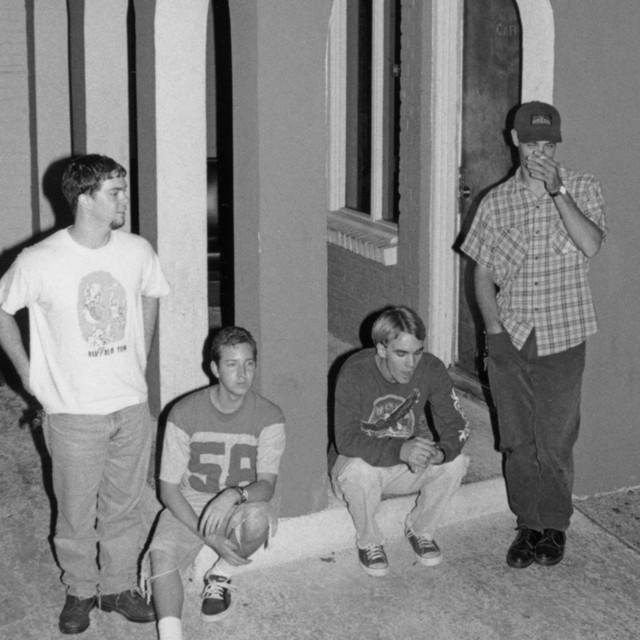
Mineral

Rock
Indie Rock
 Viberate Rank: 69392
 Viberate Rank: 69392
 Monthly ListenersFollowers
 Subscribers
 Followers
 Followers
 FansTop Spotify Songs
| Track | 7-Day Streams | |
|---|---|---|
1 | 44.58K | |
2 | 29.45K | |
3 | 26.90K | |
4 | 18.73K | |
5 | 10.25K |
Top YouTube Videos| Video | 7-Day Views | |
|---|---|---|
1 | 2 |
Monthly ListenersFeatured in Playlists| Playlist | Followers | |
|---|---|---|
1 |  boygenius: Blueprint Spotify | 40.72K |
2 |  Numero Group 26 Numero Group | 32.95K |
3 | Screamo/Post-Hardcore/Metalcore/Emocore Billy Storm | 31.91K |
4 |  Early Emo Numero Group | 24.23K |
5 |  gnochi5000bea gnochi5000 | 22.96K |
Audience| City | Monthly Listeners | |
|---|---|---|
1 | | 3.74K |
2 | | 3.04K |
3 | | 2.71K |
4 | | 2.01K |
5 |  | 1.86K |
See full performance history, audience data, playlist activity, rankings, comparisons, and more in Viberate music analytics. Start with a free trial, then continue with a paid plan.
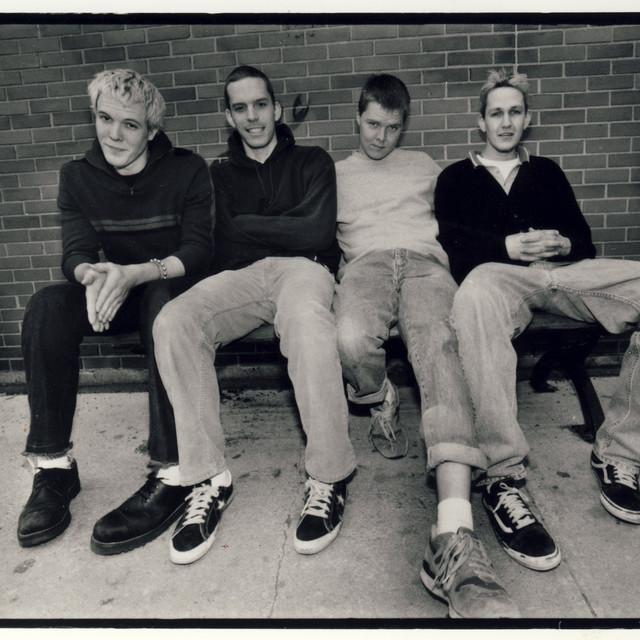
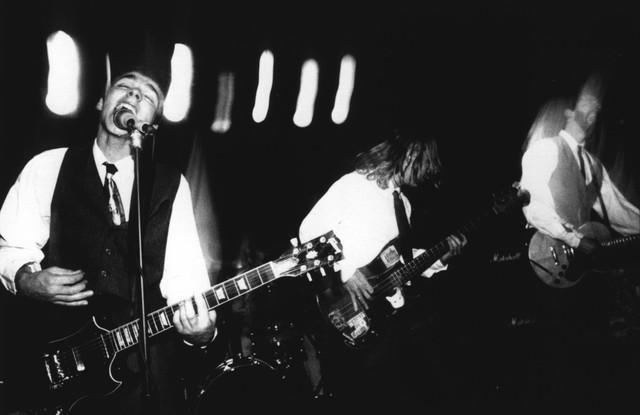
Mineral’s Spotify BioWhen Mineral broke up in 1998, they had been together for only four years and released only two full-lengths, yet their shaping of the indie rock landscape cannot be overstated. The Austin four got together in 1994 and wasted no time in blanketing the country and cranking out 7"s, initially hooking with the label of tourmates Christy Front Drive, The Audio Concept, and Caulfield Records. A zine editor in Colorado, impressed with Mineral's groundbreaking blend of power and emotion, sent a 7" to the chief of fledgling Crank! Records, Jeff Matlow. The band received repeated phone calls that day from Matlow, and thus began a marriage that would launch both label and band into underground fame. Mineral's first full-length, The Power of Failing, was a powerful success and inspired a rabid following among scenesters. The young band's grasp of dynamics and thoughtful lyrics about coming of age also influenced indie rock bands everywhere, as their sound still permeates across the underground.… End Serenading turned out to be the end for Mineral, which had agreed to do its next record with Interscope, a record that never happened. Still only in their early twenties, bandmembers moved onto new projects: singer/guitarist Chris Simpson and bassist Jeremy Gomez began the Gloria Record and drummer Gabe Wiley joined Pop Unknown. ~ Ron DePasquale, Rovi
Viberate is a music analytics platform built for A&Rs, artist managers, labels, booking agents, marketers, and artists.
It helps music professionals track artist growth, analyze audience data, monitor playlist activity, compare artists, follow song performance, and identify opportunities across the music market.
Public artist pages provide a free preview of selected artist data. Paid plans provide access to deeper analytics, historical data, charts, comparisons, playlist tools, exports, alerts, reports, and additional professional features.
Yes. Public Viberate artist pages provide selected artist analytics and music data for free.
Viberate also offers a 7-day free trial of the full platform. A credit card is required to start the trial. The trial includes access to the complete product so users can test deeper artist analytics, historical views, playlist insights, comparisons, charts, exports, alerts, and reporting features before choosing a paid plan.
Viberate provides artist analytics across streaming, playlists, social media, video, radio airplay, songs, and audience markets.
Users can analyze Spotify performance, Spotify and Apple Music playlists, YouTube activity, TikTok and Instagram growth, radio spins, song performance, audience locations, demographics, rankings, and overall artist momentum.
Artist profiles also connect to music charts, similar artists, and comparison tools, helping users benchmark performance and evaluate artists in context.
Viberate updates key artist and track data daily.
For followed artists and tracks, selected data is refreshed multiple times per day. This helps teams monitor playlist changes, streaming movement, audience growth, releases, and campaign performance with more current data.
Update frequency can vary depending on the metric and data source.
Yes. Viberate lets users compare up to five artists side by side across streaming, social media, audience, and engagement metrics.
Users can compare fanbase growth, audience demographics, locations, Spotify performance, social metrics, and other artist data over selected time periods.
Artist comparison can be used for A&R scouting, benchmarking, booking decisions, campaign planning, and evaluating artists with similar audiences or market positions.