The Jazz June

Rock
Alternative Rock
Indie Rock
 Viberate Rank: 90467
 Viberate Rank: 90467
 Monthly ListenersFollowers
 Subscribers
 Followers
 Followers
 FansTop Spotify Songs
| Track | 7-Day Streams | |
|---|---|---|
1 | 47.55K | |
2 | 20.74K | |
3 | 12.89K | |
4 | 10.34K | |
5 | 8.53K |
Top YouTube VideosMonthly ListenersFeatured in Playlists| Playlist | Followers | |
|---|---|---|
1 |  Midwest Emo (Numero Group) Numero Group Scenes & Decades | 9.92K |
2 | 100 Best Emo Songs by Vulture Ray Rahman | 9.07K |
3 |  Midwest Emo Instrumental Phillip Brown | 8.68K |
4 |  90s Emo 1294439369 | 5.62K |
5 | 2nd Wave Emo & Post-Hardcore Pop Distro | 5.54K |
Audience| City | Monthly Listeners | |
|---|---|---|
1 | | 4.37K |
2 | | 3.14K |
3 | | 2.64K |
4 | | 2.02K |
5 | | 2.00K |
See full performance history, audience data, playlist activity, rankings, comparisons, and more in Viberate music analytics. Start with a free trial, then continue with a paid plan.
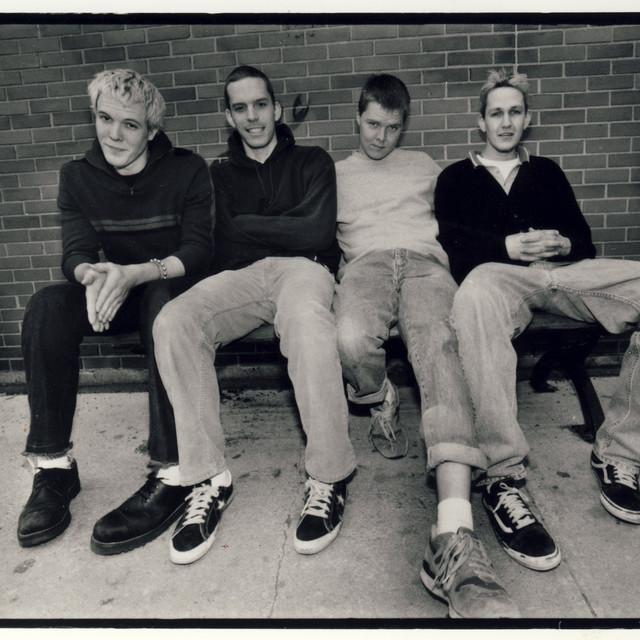
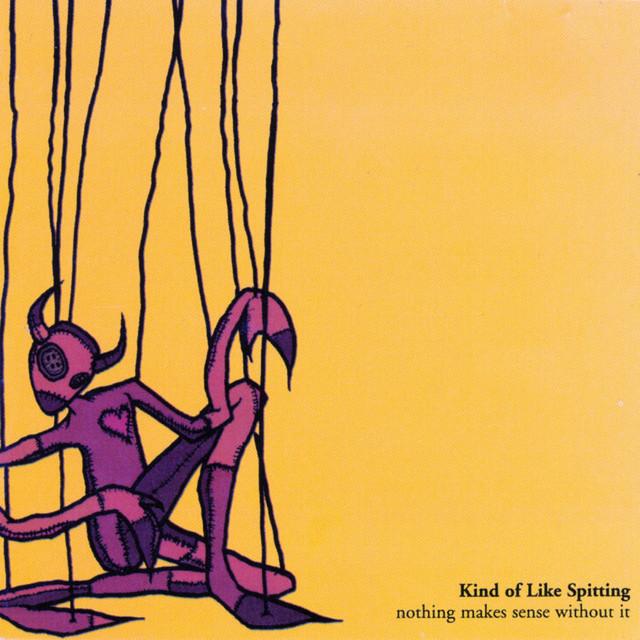
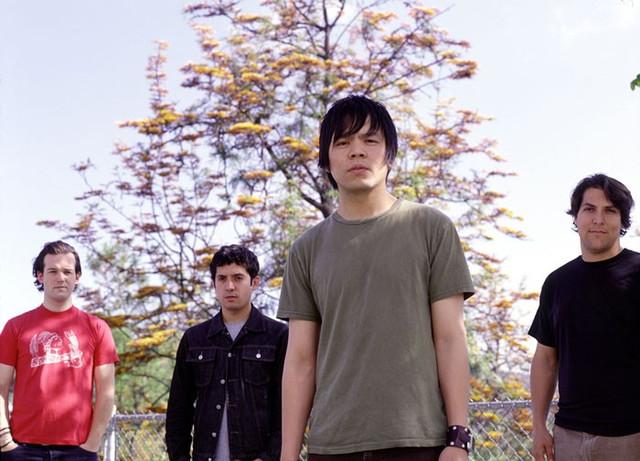
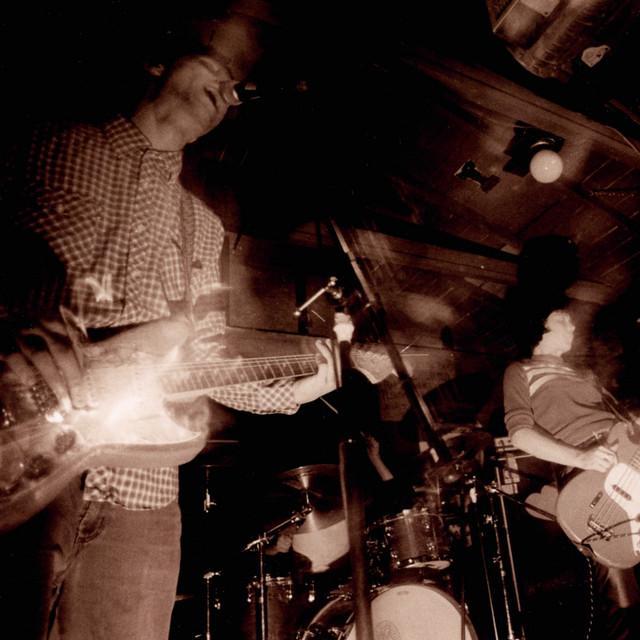
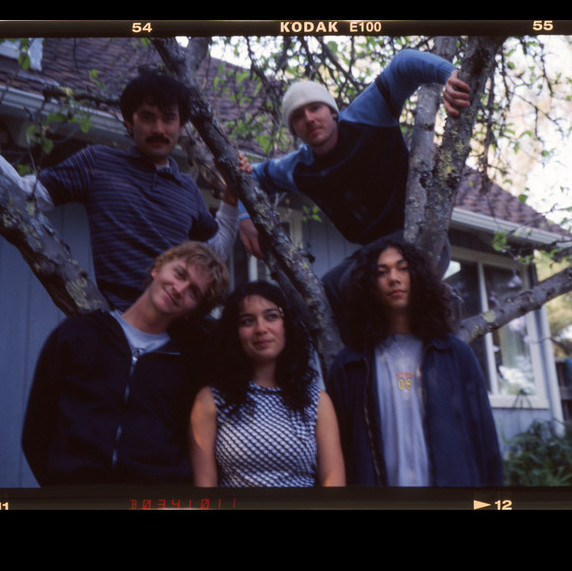
The Jazz June’s Spotify BioFormed in 1996 in the diminutive Pennsylvania city of Kutztown around the talents of Andrew Low, Justin Max, Bryan Gassler, Adam Gerhart, and Daniel O'Neill, all of whom met at Kutztown University, hard-hitting emo-pop quintet the Jazz June employ a heady mix of punk-infused indie rock and emotionally charged post-rock, and became one of the leading lights of the burgeoning emo scene in the late '90s (falling somewhere between Sunny Day Real Estate and the Promise Ring) before calling it quits in 2002. The group issued a significant body of work before disbanding, including the LPs They Love Those Who Make the Music, Boom, The Motion and the Music, Breakdance Suburbia, Medicine, and Better Off Without Air. In 2007 they put out a collection of B-sides, rarities, and live cuts under the title Scars to Prove It, and in 2014 they made their reunion official by releasing a brand new studio album, the Top Shelf Records-issued After the Earthquake. ~ James Christopher Monger, Rovi
Viberate is a music analytics platform built for A&Rs, artist managers, labels, booking agents, marketers, and artists.
It helps music professionals track artist growth, analyze audience data, monitor playlist activity, compare artists, follow song performance, and identify opportunities across the music market.
Public artist pages provide a free preview of selected artist data. Paid plans provide access to deeper analytics, historical data, charts, comparisons, playlist tools, exports, alerts, reports, and additional professional features.
Yes. Public Viberate artist pages provide selected artist analytics and music data for free.
Viberate also offers a 7-day free trial of the full platform. A credit card is required to start the trial. The trial includes access to the complete product so users can test deeper artist analytics, historical views, playlist insights, comparisons, charts, exports, alerts, and reporting features before choosing a paid plan.
Viberate provides artist analytics across streaming, playlists, social media, video, radio airplay, songs, and audience markets.
Users can analyze Spotify performance, Spotify and Apple Music playlists, YouTube activity, TikTok and Instagram growth, radio spins, song performance, audience locations, demographics, rankings, and overall artist momentum.
Artist profiles also connect to music charts, similar artists, and comparison tools, helping users benchmark performance and evaluate artists in context.
Viberate updates key artist and track data daily.
For followed artists and tracks, selected data is refreshed multiple times per day. This helps teams monitor playlist changes, streaming movement, audience growth, releases, and campaign performance with more current data.
Update frequency can vary depending on the metric and data source.
Yes. Viberate lets users compare up to five artists side by side across streaming, social media, audience, and engagement metrics.
Users can compare fanbase growth, audience demographics, locations, Spotify performance, social metrics, and other artist data over selected time periods.
Artist comparison can be used for A&R scouting, benchmarking, booking decisions, campaign planning, and evaluating artists with similar audiences or market positions.