Christie Front Drive

Rock
Indie Rock
 Viberate Rank: 206573
 Viberate Rank: 206573
 Monthly ListenersFollowers
 Subscribers
 Followers
 Followers
 FansTop Spotify Songs
| Track | 7-Day Streams | |
|---|---|---|
1 | 4.25K | |
2 | 4.17K | |
3 | 2.91K | |
4 | 2.40K | |
5 | 1.29K |
Top YouTube VideosMonthly ListenersFeatured in Playlists| Playlist | Followers | |
|---|---|---|
1 |  Early Emo Numero Group | 24.25K |
2 |  dad rock but in a cool way mia :) | 13.35K |
3 | giant 90s alt/indie/etc playlist PART 3: 1997-1999 Aroon Karvna | 12.66K |
4 |  Midwest Emo (Numero Group) Numero Group Scenes & Decades | 9.92K |
5 | Midwest emo/casual emo Preston Harris | 9.20K |
Audience| City | Monthly Listeners | |
|---|---|---|
1 | | 614 |
2 | | 451 |
3 | | 395 |
4 | | 288 |
5 | | 287 |
See full performance history, audience data, playlist activity, rankings, comparisons, and more in Viberate music analytics. Start with a free trial, then continue with a paid plan.
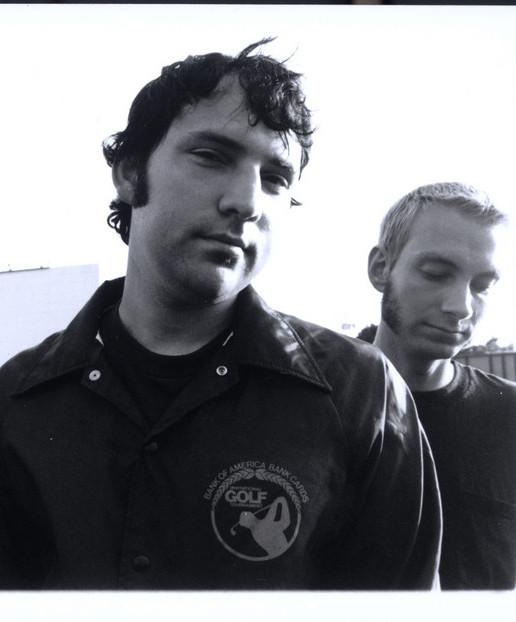
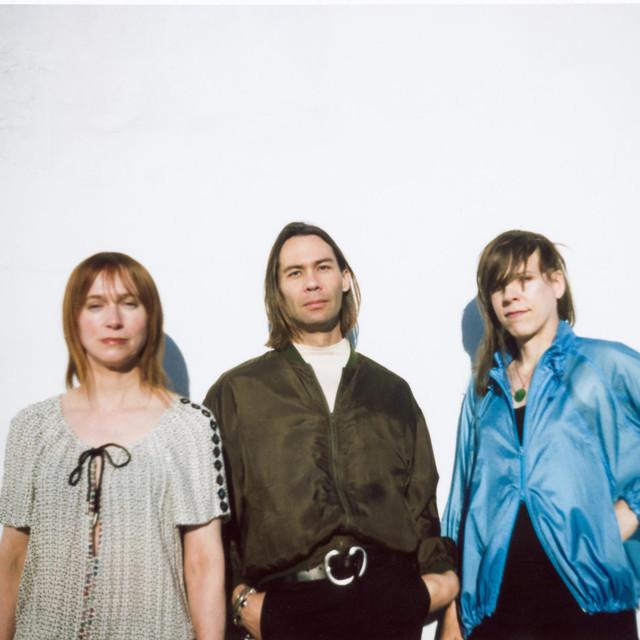
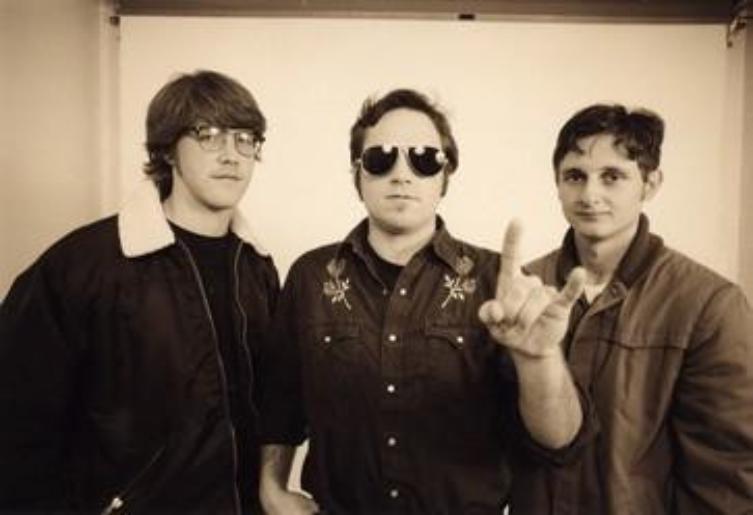
Christie Front Drive’s Spotify BioDenver-based emo band Christie Front Drive was formed in the autumn of 1993 by singer/guitarist Eric Richter, guitarist Jason Begin, bassist Kerry McDonald and drummer Ron Marschall. Despite a relatively small recorded output which included a self-titled EP, a split ten-inch with Boy's Life and an appearance on the (Don't Forget to) Breathe compilation, the group quickly earned legendary status in emo circles, and remains a major influence on up-and-coming artists. Following the completion of the Stereo record, however, Christie Front Drive disbanded in May of 1996, with a handful of posthumous releases and reissues appearing in the years to follow. Begin and Marschall later reunited in the Blue Ontario, while Richter formed Antarctica. ~ Jason Ankeny, Rovi
Viberate is a music analytics platform built for A&Rs, artist managers, labels, booking agents, marketers, and artists.
It helps music professionals track artist growth, analyze audience data, monitor playlist activity, compare artists, follow song performance, and identify opportunities across the music market.
Public artist pages provide a free preview of selected artist data. Paid plans provide access to deeper analytics, historical data, charts, comparisons, playlist tools, exports, alerts, reports, and additional professional features.
Yes. Public Viberate artist pages provide selected artist analytics and music data for free.
Viberate also offers a 7-day free trial of the full platform. A credit card is required to start the trial. The trial includes access to the complete product so users can test deeper artist analytics, historical views, playlist insights, comparisons, charts, exports, alerts, and reporting features before choosing a paid plan.
Viberate provides artist analytics across streaming, playlists, social media, video, radio airplay, songs, and audience markets.
Users can analyze Spotify performance, Spotify and Apple Music playlists, YouTube activity, TikTok and Instagram growth, radio spins, song performance, audience locations, demographics, rankings, and overall artist momentum.
Artist profiles also connect to music charts, similar artists, and comparison tools, helping users benchmark performance and evaluate artists in context.
Viberate updates key artist and track data daily.
For followed artists and tracks, selected data is refreshed multiple times per day. This helps teams monitor playlist changes, streaming movement, audience growth, releases, and campaign performance with more current data.
Update frequency can vary depending on the metric and data source.
Yes. Viberate lets users compare up to five artists side by side across streaming, social media, audience, and engagement metrics.
Users can compare fanbase growth, audience demographics, locations, Spotify performance, social metrics, and other artist data over selected time periods.
Artist comparison can be used for A&R scouting, benchmarking, booking decisions, campaign planning, and evaluating artists with similar audiences or market positions.