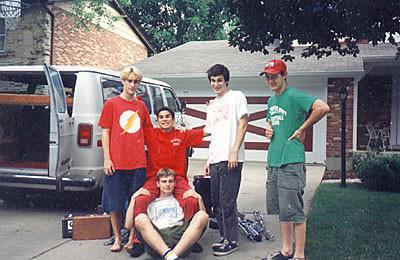
Cap'n Jazz

Rock
Indie Rock
Hardcore Punk
 Viberate Rank: 58542
 Viberate Rank: 58542
 Monthly ListenersFollowers
 Subscribers
 Followers
 Followers
 FansTop Spotify Songs
| Track | 7-Day Streams | |
|---|---|---|
1 | 29.62K | |
2 | 25.73K | |
3 | 21.72K | |
4 | 19.06K | |
5 | 18.17K |
Top YouTube VideosMonthly ListenersFeatured in Playlists| Playlist | Followers | |
|---|---|---|
1 |  Emo Forever Spotify | 1.94M |
2 |  midwest emo bangers leigha | 80.35K |
3 |  Midwest Emo Classics Mike | 63.09K |
4 | MATH ROCK CLASSICS Georgia | 37.23K |
5 |  THE midwest emo playlist Hank😼 | 27.56K |
Audience| City | Monthly Listeners | |
|---|---|---|
1 | | 3.12K |
2 | | 2.61K |
3 | | 2.24K |
4 | | 1.54K |
5 | | 1.46K |
See full performance history, audience data, playlist activity, rankings, comparisons, and more in Viberate music analytics. Start with a free trial, then continue with a paid plan.
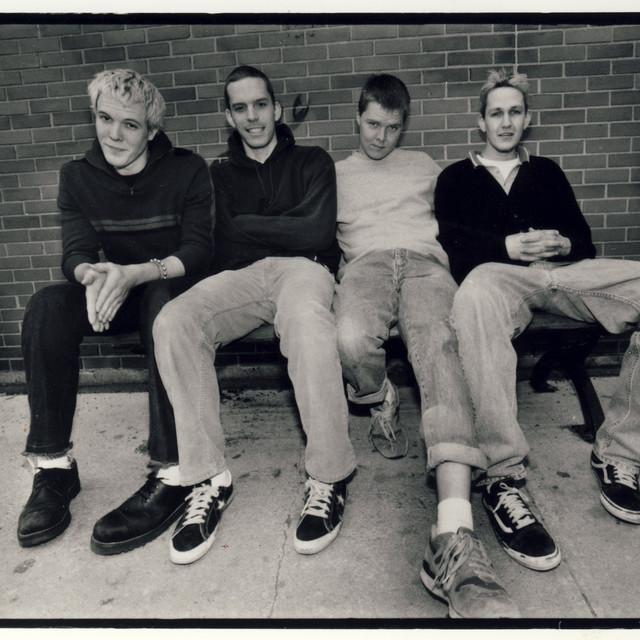
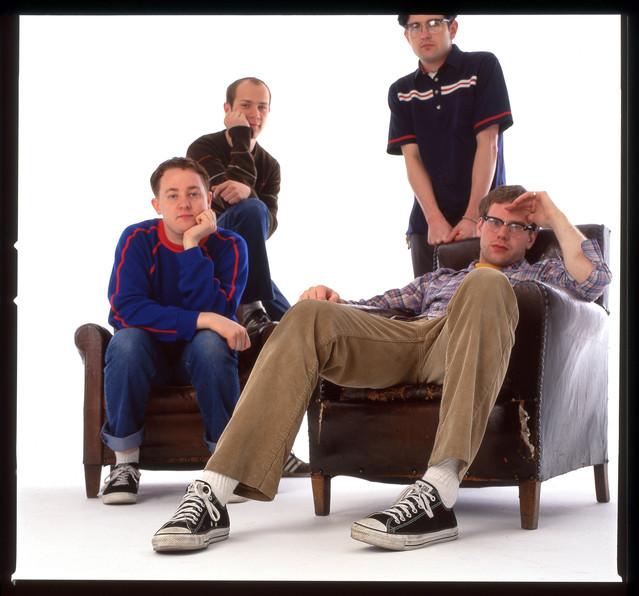
Cap'n Jazz’s Spotify BioShort-lived but highly influential, Cap'n Jazz helped transform emo from a deeply underground punk subgenre into a more widely accepted subset of indie rock. Not terribly popular or well-known outside of the Midwest, Cap'n Jazz's main contribution was stylistic -- along with Pinkerton-era Weezer, they helped shift emo's always-elusive musical focus from post-hardcore prog-punk to an arty but more accessible punk-pop. Their discography was as scant as it was rare, but that very obscurity helped build their underground legend through word of mouth, until a double-CD retrospective was finally issued several years after their breakup. By that time, most of the members had moved on to other, better-known emo bands, most notably Joan of Arc and the highly successful Promise Ring, which helped spread Cap'n Jazz's influence far beyond their original audience.
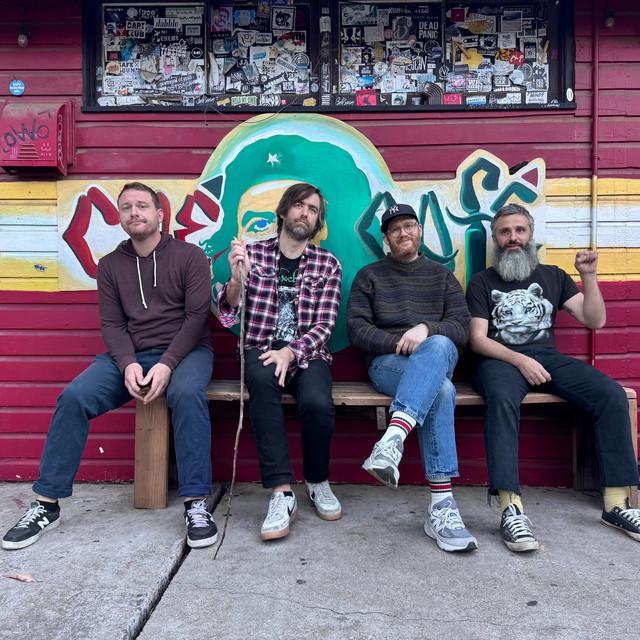
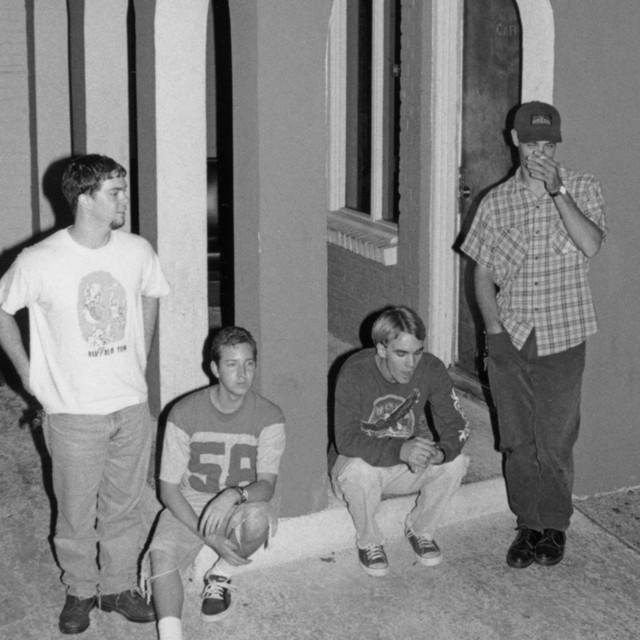
The first incarnation of Cap'n Jazz was formed in Chicago circa 1989, when brothers Tim (guitar, vocals) and Mike Kinsella (drums) teamed… up with bassist Sam Zurick and guitarist Victor Villareal; all were still in school at the time. The band went through several name changes and added guitarist Davey von Bohlen, but took a few years to get serious about pursuing music. Eventually, they earned a cult following around Chicago and the Midwest, honing a sound that was at once complicated and sloppily enthusiastic. Frontman Tim Kinsella's cryptic wordplay and naïve, amateurish vocals became the group's focal points; although some found those traits polarizing, they gave Cap'n Jazz a distinct personality.
During the early '90s, the band recorded several singles for tiny independent labels, and also contributed tracks to several indie and emo compilations. In 1995, they issued their first and only album, Shmap'n Shmazz, on the tiny, poorly distributed Man With Gun label; the album also had an incredibly lengthy alternate title, which most fans ignored. It quickly became a collector's item. Not long after its release, Cap'n Jazz disbanded to pursue other projects. In 1998, three years after the band's breakup, the Jade Tree label assembled a generous double-disc Cap'n Jazz retrospective titled Analphabetapolothology. It contained the band's complete recorded works -- the entirety of Shmap'n Shmazz, material from their early singles and split releases, compilation tracks, unreleased demos and outtakes, and several songs from their farewell concert in Chicago.
Davey von Bohlen maintained the highest profile of any ex-Cap'n Jazzer, moving to Milwaukee and founding the Promise Ring, which became one of the most popular emo bands of the '90s; he also fronted the acoustic-oriented side project Vermont. Tim Kinsella founded Joan of Arc, which fused emo and avant-garde post-rock in adventurous and sometimes difficult ways, and also included Mike Kinsella and Sam Zurick at various times. In between drumming gigs behind his brother, Mike Kinsella went on to front his own emo projects, American Football and, later, the mostly solo Owen. Victor Villareal was the quietest, resurfacing in the mostly instrumental Ghosts and Vodka, which also featured Zurick. Following Joan of Arc's breakup in 2001, Tim Kinsella reunited with all the former members of Cap'n Jazz -- except for von Bohlen, who was still committed elsewhere -- under a new name, Owls; the quartet released an album that year. Kinsella subsequently began a new outfit, Friend/Enemy, which later included Zurick. Another reunion occurred in 2010, complete with concert dates and a reissue of Analphabetapolothology. ~ Steve Huey, Rovi
Viberate is a music analytics platform built for A&Rs, artist managers, labels, booking agents, marketers, and artists.
It helps music professionals track artist growth, analyze audience data, monitor playlist activity, compare artists, follow song performance, and identify opportunities across the music market.
Public artist pages provide a free preview of selected artist data. Paid plans provide access to deeper analytics, historical data, charts, comparisons, playlist tools, exports, alerts, reports, and additional professional features.
Yes. Public Viberate artist pages provide selected artist analytics and music data for free.
Viberate also offers a 7-day free trial of the full platform. A credit card is required to start the trial. The trial includes access to the complete product so users can test deeper artist analytics, historical views, playlist insights, comparisons, charts, exports, alerts, and reporting features before choosing a paid plan.
Viberate provides artist analytics across streaming, playlists, social media, video, radio airplay, songs, and audience markets.
Users can analyze Spotify performance, Spotify and Apple Music playlists, YouTube activity, TikTok and Instagram growth, radio spins, song performance, audience locations, demographics, rankings, and overall artist momentum.
Artist profiles also connect to music charts, similar artists, and comparison tools, helping users benchmark performance and evaluate artists in context.
Viberate updates key artist and track data daily.
For followed artists and tracks, selected data is refreshed multiple times per day. This helps teams monitor playlist changes, streaming movement, audience growth, releases, and campaign performance with more current data.
Update frequency can vary depending on the metric and data source.
Yes. Viberate lets users compare up to five artists side by side across streaming, social media, audience, and engagement metrics.
Users can compare fanbase growth, audience demographics, locations, Spotify performance, social metrics, and other artist data over selected time periods.
Artist comparison can be used for A&R scouting, benchmarking, booking decisions, campaign planning, and evaluating artists with similar audiences or market positions.