Braid

Rock
Indie Rock
Alternative Rock
 Viberate Rank: 63205
 Viberate Rank: 63205
 Monthly ListenersFollowers
 Subscribers
 Followers
 Followers
 FansTop Spotify Songs
| Track | 7-Day Streams | |
|---|---|---|
1 | 43.42K | |
2 | 37.87K | |
3 | 30.16K | |
4 | 18.52K | |
5 | 18.43K |
Top YouTube Videos| Video | 7-Day Views | |
|---|---|---|
1 | 17 |
Monthly ListenersFeatured in Playlists| Playlist | Followers | |
|---|---|---|
1 |  The Sound of Everything The Sounds of Spotify | 53.81K |
2 |  Early Emo Numero Group | 24.23K |
3 |  Math rock/midwest emo Jusu | 19.61K |
4 |  1990s Punk & Indie Numero Group | 16.20K |
5 |  Anakin Skywalker Star Wars | 15.99K |
Audience| City | Monthly Listeners | |
|---|---|---|
1 | | 5.91K |
2 | | 4.17K |
3 | | 3.56K |
4 | | 2.85K |
5 | | 2.72K |
See full performance history, audience data, playlist activity, rankings, comparisons, and more in Viberate music analytics. Start with a free trial, then continue with a paid plan.
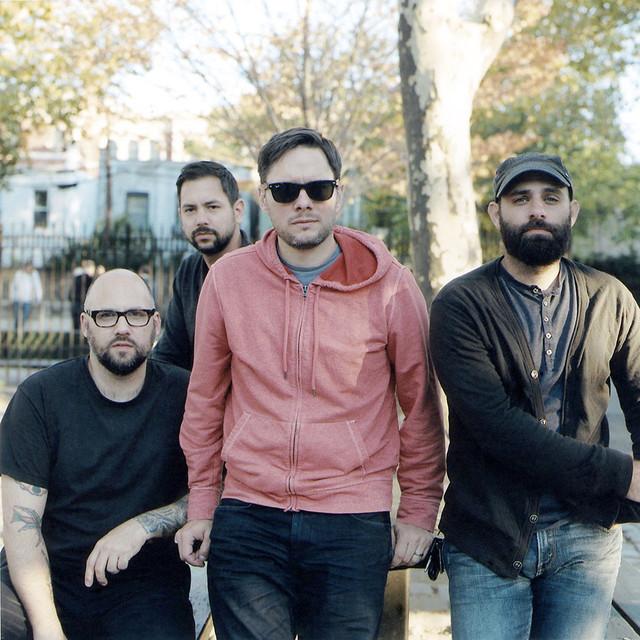
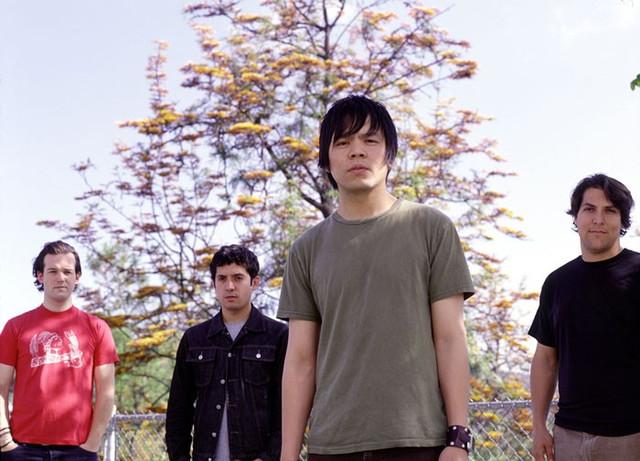
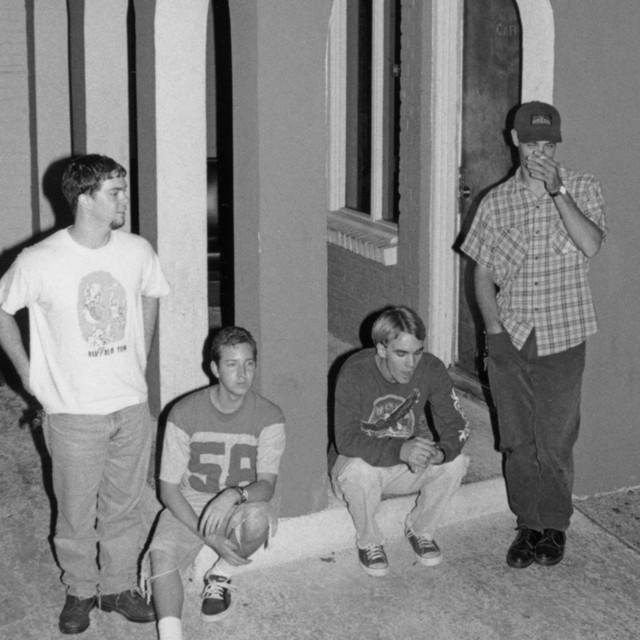
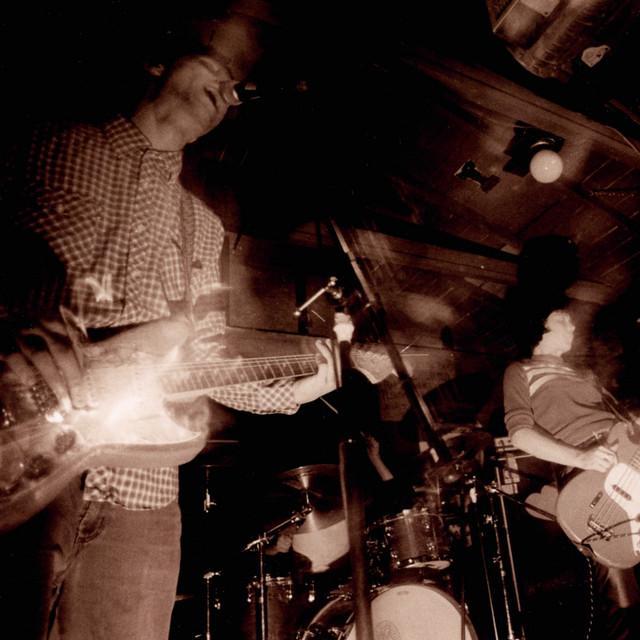
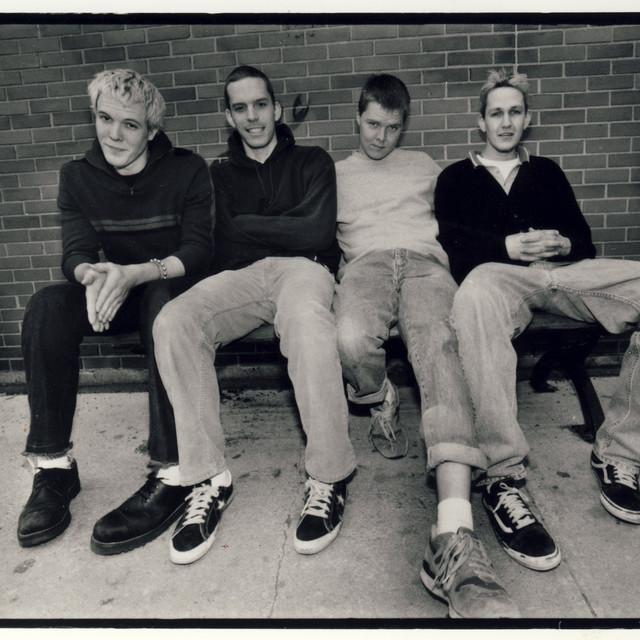
Braid’s Spotify Bio—the revered Illinois indie-rock band widely considered by many as a pillar of second wave emo, along with similarly influential acts like the The Get Up Kids, the Promise Ring and Jimmy Eat World. But Braid were different; their albums were less overtly poppy and more urgent and frantic than their contemporaries, built on the off-kilter interplay between co-frontmen Bob Nanna and Chris Broach. It was this ever-present tension that drove the band apart barely a year after their genre-defining album Frame & Canvas, with Braid coming to an end in August 1999, right on the cusp of emo breaking through to the mainstream. But with time comes perspective, and a reunion tour in 2004. Then in 2010, the band rediscovered not only their passion for their old music, but their desire to create new music. 2011’s Closer To Closed EP followed, and then came 2014’s No Coast LP, their first full-length in 16 years and an essential addition to their already-impressive catalog. A large part of what makes… Braid a staple in the emo/indie “post” scene are the dual vocals and the melodic yet dissonant guitars (and vocals) of Chris Broach and Bob Nanna. Keeping time and adding to the musical interplay are Todd Bell (bass) and Damon Atkinson (drums) whose combined skill level remains the envy of many musicians worldwide.
BRAID:
Bob Nanna - vocals/guitar
Chris Broach - vocals/guitar
Todd Bell - bass
Damon Atkinson - drums
Viberate is a music analytics platform built for A&Rs, artist managers, labels, booking agents, marketers, and artists.
It helps music professionals track artist growth, analyze audience data, monitor playlist activity, compare artists, follow song performance, and identify opportunities across the music market.
Public artist pages provide a free preview of selected artist data. Paid plans provide access to deeper analytics, historical data, charts, comparisons, playlist tools, exports, alerts, reports, and additional professional features.
Yes. Public Viberate artist pages provide selected artist analytics and music data for free.
Viberate also offers a 7-day free trial of the full platform. A credit card is required to start the trial. The trial includes access to the complete product so users can test deeper artist analytics, historical views, playlist insights, comparisons, charts, exports, alerts, and reporting features before choosing a paid plan.
Viberate provides artist analytics across streaming, playlists, social media, video, radio airplay, songs, and audience markets.
Users can analyze Spotify performance, Spotify and Apple Music playlists, YouTube activity, TikTok and Instagram growth, radio spins, song performance, audience locations, demographics, rankings, and overall artist momentum.
Artist profiles also connect to music charts, similar artists, and comparison tools, helping users benchmark performance and evaluate artists in context.
Viberate updates key artist and track data daily.
For followed artists and tracks, selected data is refreshed multiple times per day. This helps teams monitor playlist changes, streaming movement, audience growth, releases, and campaign performance with more current data.
Update frequency can vary depending on the metric and data source.
Yes. Viberate lets users compare up to five artists side by side across streaming, social media, audience, and engagement metrics.
Users can compare fanbase growth, audience demographics, locations, Spotify performance, social metrics, and other artist data over selected time periods.
Artist comparison can be used for A&R scouting, benchmarking, booking decisions, campaign planning, and evaluating artists with similar audiences or market positions.