Miles Davis Quintet

Jazz
Bebop
Smooth Jazz
 Viberate Rank: 32699
 Viberate Rank: 32699
 Monthly ListenersFollowers
 Subscribers
 Followers
 Followers
 FansTop Spotify Songs
| Track | 7-Day Streams | |
|---|---|---|
1 | 475.34K | |
2 | 204.65K | |
3 | 132.01K | |
4 | 115.05K | |
5 | 68.51K |
Top YouTube Videos| Video | 7-Day Views | |
|---|---|---|
1 | 10.93K | |
2 | 2.40K | |
3 | 1.76K | |
4 | 1.38K | |
5 | 1.23K |
Monthly ListenersFeatured in Playlists| Playlist | Followers | |
|---|---|---|
1 |  Jazz Classics Spotify | 5.08M |
2 |  66 GREENE _BY.ALEXANDER | 395.13K |
3 |  Soft Jazz Spotify | 359.13K |
4 |  Jazz Noir Spotify | 349.57K |
5 |  Focus Jazz Spotify | 330.08K |
Audience| City | Monthly Listeners | |
|---|---|---|
1 |  | 23.45K |
2 | | 22.22K |
3 | | 18.44K |
4 |  | 16.62K |
5 |  | 16.27K |
See full performance history, audience data, playlist activity, rankings, comparisons, and more in Viberate music analytics. Start with a free trial, then continue with a paid plan.
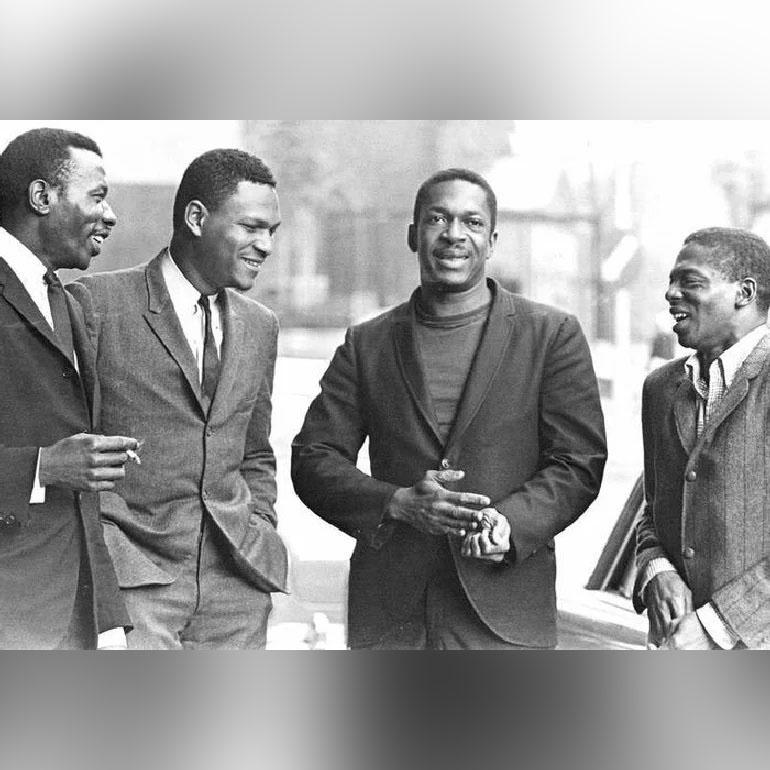
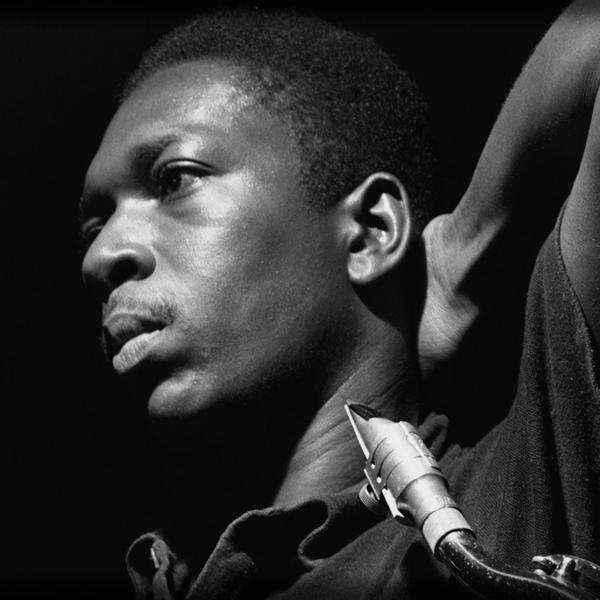
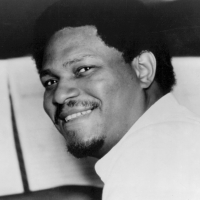
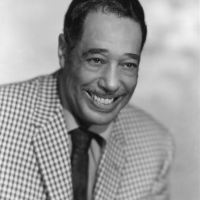
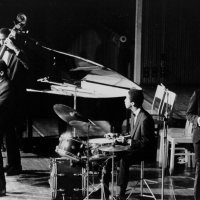
Miles Davis Quintet’s Spotify BioAlthough Miles Davis' 1955-1957 quintet had a relatively short life, it went down in history as one of the finest and most interesting bebop combos of the 1950s. It was a group in which different musical personalities did more than coexist -- they complimented and inspired each other. The quintet's front line had two unlikely allies in Davis and the distinctive John Coltrane, whose aggressive, passionate tenor saxophone was quite a contrast to Davis' subtle, understated, cool-toned trumpet. Davis, who was Chet Baker's primary influence and defined cool jazz with his seminal Birth of the Cool sessions of 1949-1950, was a very economical player -- he didn't believe in notes for the sake of notes, whereas Coltrane's solos tended to be a lot longer. But as different as Davis' and Coltrane's musical personalities were, Miles Davis Quintet never failed to sound cohesive. Davis formed the famous group in 1955, hiring Coltrane as well as a rock-solid rhythm section that consisted of bassist… Paul Chambers, drummer Philly Joe Jones (not to be confused with swing drummer Jo Jones), and the lyrical pianist Red Garland. The group's sessions of 1955-1956 resulted in four albums on Prestige (Cookin', Relaxin', Workin', and Steamin') and one on Columbia (Round About Midnight). Although the Miles Davis Quintet officially broke up in early 1957, its members were briefly reunited when, in 1958, they formed a sextet with alto saxophonist Cannonball Adderley and recorded Milestones for Columbia. Davis and Coltrane continued to work together in 1959 (when Davis recorded the influential modal classic Kind of Blue), but in 1960, Coltrane formed his own group and left the trumpeter's employ for good. ~ Alex Henderson, Rovi
Viberate is a music analytics platform built for A&Rs, artist managers, labels, booking agents, marketers, and artists.
It helps music professionals track artist growth, analyze audience data, monitor playlist activity, compare artists, follow song performance, and identify opportunities across the music market.
Public artist pages provide a free preview of selected artist data. Paid plans provide access to deeper analytics, historical data, charts, comparisons, playlist tools, exports, alerts, reports, and additional professional features.
Yes. Public Viberate artist pages provide selected artist analytics and music data for free.
Viberate also offers a 7-day free trial of the full platform. A credit card is required to start the trial. The trial includes access to the complete product so users can test deeper artist analytics, historical views, playlist insights, comparisons, charts, exports, alerts, and reporting features before choosing a paid plan.
Viberate provides artist analytics across streaming, playlists, social media, video, radio airplay, songs, and audience markets.
Users can analyze Spotify performance, Spotify and Apple Music playlists, YouTube activity, TikTok and Instagram growth, radio spins, song performance, audience locations, demographics, rankings, and overall artist momentum.
Artist profiles also connect to music charts, similar artists, and comparison tools, helping users benchmark performance and evaluate artists in context.
Viberate updates key artist and track data daily.
For followed artists and tracks, selected data is refreshed multiple times per day. This helps teams monitor playlist changes, streaming movement, audience growth, releases, and campaign performance with more current data.
Update frequency can vary depending on the metric and data source.
Yes. Viberate lets users compare up to five artists side by side across streaming, social media, audience, and engagement metrics.
Users can compare fanbase growth, audience demographics, locations, Spotify performance, social metrics, and other artist data over selected time periods.
Artist comparison can be used for A&R scouting, benchmarking, booking decisions, campaign planning, and evaluating artists with similar audiences or market positions.