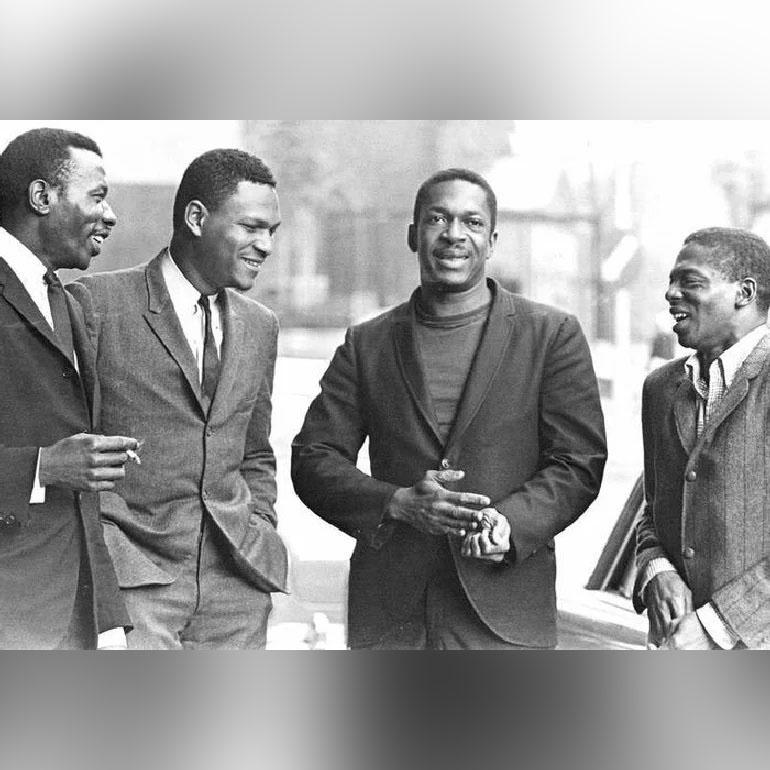
John Coltrane Quartet

Jazz
Avant-garde Jazz
Smooth Jazz
 Viberate Rank: 33461
 Viberate Rank: 33461
 Monthly ListenersFollowers
 Subscribers
 Followers
 Followers
 FansTop Spotify Songs
| Track | 7-Day Streams | |
|---|---|---|
1 | 231.12K | |
2 | 207.66K | |
3 | 122.77K | |
4 | 96.52K | |
5 | 91.95K |
Top YouTube VideosMonthly ListenersFeatured in Playlists| Playlist | Followers | |
|---|---|---|
1 |  Jazz Classics Spotify | 5.08M |
2 |  jazz bar in nyc🎷 mishelle | 454.31K |
3 |  66 GREENE _BY.ALEXANDER | 395.13K |
4 |  Dark Academia Jazz Spotify | 282.77K |
5 |  🪐🪐🪐🪐🪐🪐🪐🪐☼:̴͓̞̑̌̂̆̊͋̀:̸͎̟̯̂̓̌:̶̢͙͙͕̠̩͆ ⃝🟠 ̴̤̻̀(̵̙̺̳̩͐͗́͑͋̓̕͜ͅ(̵̺͖̤͌͂͑̐̕o̶̢̘͔̒̈̑̒͊v̴̢͚͚͎͎̞͒͊̎ȯ̶̞̮͖̑̈́̿ ☼:̴͓̞̑̌̂̆̊͋̀:̸͎̟̯̂̓̌:̶̢͙͙͕̠̩͆(̷̮͍͚̫͚͂̍)̵̳̗̊( 🟠🟢⦿🔵🟡\̸̧͔̰̳̦̣̪̈̏̓ ̴̡̛̅͐͛̀̽/̶̱̼̣̤̰̲̣̈́̋͌̿̄̍̊\̴̲̣̝̀͜ͅ🔴🫧✨🫧 ̵̨̛̱̥͕́̎́̐͝/̸̠̜̅̐͊̋̿̐̓\̸̧͔̰̳̦̣̪̈̏̓ ̴̡̛̅͐͛̀̽🥏🟠/̶̱̼̣̤̰̲̣̈́̋͌̿̄̍̊\̴̲̣̝̀͜ͅ💥 ̸̝̮̟̹̀̆̋̿ ̴̤̻̀🥭(̵̙̺̳̩͐͗́͑͋̓̕͜ͅ(̵̺͖̤͌͂͑̐̕o̶̢̘͔̒̈̑̒͊🔵:̸͎̟̯̂̓̌:̶̢͙͙͕̠̩͆(̷̮͍͚̫͚͂̍)̵̳̗̊(🟠🪐 Four Tet | 210.46K |
Audience| City | Monthly Listeners | |
|---|---|---|
1 | | 17.90K |
2 |  | 15.87K |
3 | | 15.03K |
4 | | 11.57K |
5 | | 11.08K |
See full performance history, audience data, playlist activity, rankings, comparisons, and more in Viberate music analytics. Start with a free trial, then continue with a paid plan.
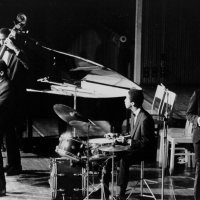
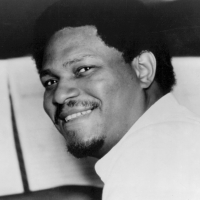
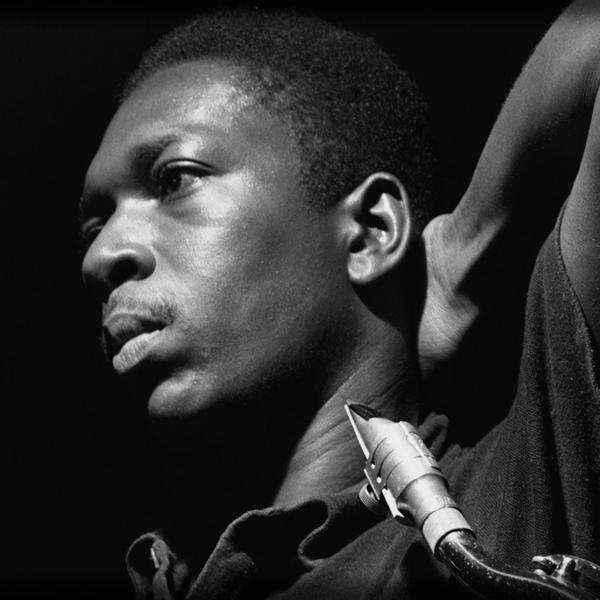
John Coltrane Quartet’s Spotify Bio1960 was a major turning point for John Coltrane (born September 23, 1926, died July 17, 1967). It was in 1960 that the big-toned saxophone giant left Miles Davis' employ for good, made modal jazz (as opposed to hard bop) his main focus, and formed a highly influential group of his own. That group was the New York-based John Coltrane Quartet, whose original lineup included Trane on tenor and soprano sax, McCoy Tyner on piano, Elvin Jones on drums, and Steve Davis on bass. Davis didn't stay long; Coltrane went through a few more bassists (Art Davis and Reggie Workman) before hiring Jimmy Garrison in 1961. Like his former employer Miles Davis, Coltrane was a very restless musician who was determined to forge ahead -- and his 1960-1965 quartet did exactly that. In the 1950s, Coltrane's main focus had been hard bop -- "Giant Steps," recorded in 1959, is considered bop's ultimate blowing tune. But it was also in 1959 that Coltrane was prominently featured on Davis' influential modal classic… Kind of Blue, and the saxman took the modal plunge in a major way when he became a full-time group leader in 1960. That year, Coltrane's new quartet recorded My Favorite Things, an Atlantic release that did as much to popularize modal playing as Kind of Blue. My Favorite Things' title track is considered a definitive example of modal post-bop, as are "Impressions," "Equinox," "Miles' Mode," and other gems that Coltrane's quartet unveiled in the early '60s. Coltrane, who moved from Atlantic to Impulse! in 1961, occasionally augmented his group; reedman Eric Dolphy, for example, was briefly on board in 1961. But for the most part, Coltrane favored a quartet format from 1960-1964 -- and that quartet was amazingly influential. In the early to mid-'60s, John Coltrane Quartet's modal explorations influenced everyone from saxophonists Wayne Shorter, Joe Henderson, and Jackie McLean to trumpeter Freddie Hubbard and organist Larry Young. It was in 1965 (the year after Coltrane's quartet recorded the spiritual A Love Supreme for Impulse!) that he opted for another change of direction. The saxman started to explore atonal free jazz -- a shift that signaled the end of his modal period as well as the end of the famous Coltrane/Tyner/Garrison/Jones lineup. But the quartet's influence never went away; anyone who has played modal jazz, past or present, owes a debt of gratitude to John Coltrane Quartet. ~ Alex Henderson, Rovi
Viberate is a music analytics platform built for A&Rs, artist managers, labels, booking agents, marketers, and artists.
It helps music professionals track artist growth, analyze audience data, monitor playlist activity, compare artists, follow song performance, and identify opportunities across the music market.
Public artist pages provide a free preview of selected artist data. Paid plans provide access to deeper analytics, historical data, charts, comparisons, playlist tools, exports, alerts, reports, and additional professional features.
Yes. Public Viberate artist pages provide selected artist analytics and music data for free.
Viberate also offers a 7-day free trial of the full platform. A credit card is required to start the trial. The trial includes access to the complete product so users can test deeper artist analytics, historical views, playlist insights, comparisons, charts, exports, alerts, and reporting features before choosing a paid plan.
Viberate provides artist analytics across streaming, playlists, social media, video, radio airplay, songs, and audience markets.
Users can analyze Spotify performance, Spotify and Apple Music playlists, YouTube activity, TikTok and Instagram growth, radio spins, song performance, audience locations, demographics, rankings, and overall artist momentum.
Artist profiles also connect to music charts, similar artists, and comparison tools, helping users benchmark performance and evaluate artists in context.
Viberate updates key artist and track data daily.
For followed artists and tracks, selected data is refreshed multiple times per day. This helps teams monitor playlist changes, streaming movement, audience growth, releases, and campaign performance with more current data.
Update frequency can vary depending on the metric and data source.
Yes. Viberate lets users compare up to five artists side by side across streaming, social media, audience, and engagement metrics.
Users can compare fanbase growth, audience demographics, locations, Spotify performance, social metrics, and other artist data over selected time periods.
Artist comparison can be used for A&R scouting, benchmarking, booking decisions, campaign planning, and evaluating artists with similar audiences or market positions.