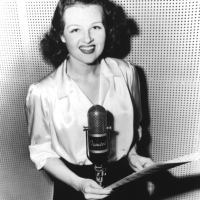
Mildred Bailey

Jazz
Swing
Vocal jazz
 Viberate Rank: 82125
 Viberate Rank: 82125
 Monthly ListenersFollowers
 Subscribers
 Followers
 Followers
 FansTop Spotify Songs
| Track | 7-Day Streams | |
|---|---|---|
1 | 49.54K | |
2 | 23.03K | |
3 | 19.02K | |
4 | 12.11K | |
5 | 5.08K |
Top YouTube VideosMonthly ListenersFeatured in Playlists| Playlist | Followers | |
|---|---|---|
1 |  Women of Jazz Spotify | 865.70K |
2 |  Classic Voices in Jazz Spotify | 250.23K |
3 |  40s/50s/60s love/slow songs 🎙️ Arielsimone07 | 189.73K |
4 |  In the Mood for Jazz Spotify | 144.33K |
5 |  Haruki Murakami's vinyl collection Masamaro | 109.94K |
Audience| City | Monthly Listeners | |
|---|---|---|
1 |  | 2.95K |
2 | | 2.46K |
3 | | 2.23K |
4 | | 1.89K |
5 |  | 1.82K |
See full performance history, audience data, playlist activity, rankings, comparisons, and more in Viberate music analytics. Start with a free trial, then continue with a paid plan.
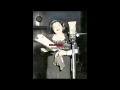
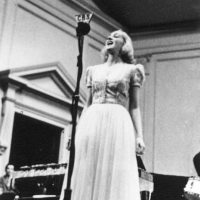
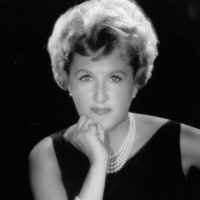
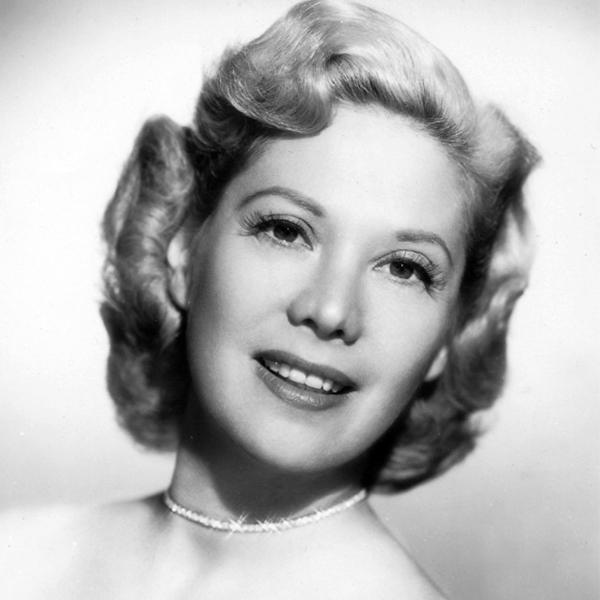
Mildred Bailey’s Spotify BioAn early jazz singer with a sweet voice, Mildred Bailey balanced a good deal of popular success with a hot jazz-slanted career that saw her billed as Mrs. Swing (her husband, Red Norvo, was Mr. Swing). Born Mildred Rinker in Washington state in 1907, Bailey began performing at an early age, playing piano and singing in movie theaters during the early '20s. By 1925, she was the headlining act at a club in Hollywood, doing a mixture of pop, early jazz tunes, and vaudeville standards. Influenced by Ethel Waters, Bessie Smith, and Connie Boswell, she developed a soft, swinging delivery that pleased all kinds of nightclub audiences in the area. After sending a demonstration disc in to Paul Whiteman in 1929, she gained a spot with one of the most popular dance orchestras of the day.
The added exposure with Whiteman soon gave Bailey her own radio program. She had already debuted on a recording date with guitarist Eddie Lang in 1929, but in 1932 she gained fame by recording what became her… signature song, "Rockin' Chair" -- written especially for her by Hoagie Carmichael -- with a Whiteman small group. While recording for Vocalion during the 1930s, Bailey often utilized her husband, xylophonist/vibraphonist Red Norvo. She also appeared on his recordings of the late '30s, and the arrangements of Eddie Sauter proved a perfect accompaniment to her vocals.
Though she and Norvo later divorced, Bailey continued to perform and record during the 1940s. She appeared on Benny Goodman's Camel Caravan radio program, and gained her own series again during the mid-'40s. Hampered by health problems during the late '40s, she spent time in the hospital suffering from diabetes and died of a heart attack in 1951. ~ John Bush, Rovi
Viberate is a music analytics platform built for A&Rs, artist managers, labels, booking agents, marketers, and artists.
It helps music professionals track artist growth, analyze audience data, monitor playlist activity, compare artists, follow song performance, and identify opportunities across the music market.
Public artist pages provide a free preview of selected artist data. Paid plans provide access to deeper analytics, historical data, charts, comparisons, playlist tools, exports, alerts, reports, and additional professional features.
Yes. Public Viberate artist pages provide selected artist analytics and music data for free.
Viberate also offers a 7-day free trial of the full platform. A credit card is required to start the trial. The trial includes access to the complete product so users can test deeper artist analytics, historical views, playlist insights, comparisons, charts, exports, alerts, and reporting features before choosing a paid plan.
Viberate provides artist analytics across streaming, playlists, social media, video, radio airplay, songs, and audience markets.
Users can analyze Spotify performance, Spotify and Apple Music playlists, YouTube activity, TikTok and Instagram growth, radio spins, song performance, audience locations, demographics, rankings, and overall artist momentum.
Artist profiles also connect to music charts, similar artists, and comparison tools, helping users benchmark performance and evaluate artists in context.
Viberate updates key artist and track data daily.
For followed artists and tracks, selected data is refreshed multiple times per day. This helps teams monitor playlist changes, streaming movement, audience growth, releases, and campaign performance with more current data.
Update frequency can vary depending on the metric and data source.
Yes. Viberate lets users compare up to five artists side by side across streaming, social media, audience, and engagement metrics.
Users can compare fanbase growth, audience demographics, locations, Spotify performance, social metrics, and other artist data over selected time periods.
Artist comparison can be used for A&R scouting, benchmarking, booking decisions, campaign planning, and evaluating artists with similar audiences or market positions.