Jo Stafford

Pop
Mainstream Pop
Vocal jazz
 Viberate Rank: 45751
 Viberate Rank: 45751
 Monthly ListenersFollowers
 Subscribers
 Followers
 Followers
 FansTop Spotify Songs
| Track | 7-Day Streams | |
|---|---|---|
1 | 255.12K | |
2 | 93.25K | |
3 | 40.56K | |
4 | 35.39K | |
5 | 28.63K |
Top YouTube Videos| Video | 7-Day Views | |
|---|---|---|
1 | 7.13K | |
2 | 1.16K | |
3 | 308 | |
4 | 256 | |
5 | 243 |
Monthly ListenersFeatured in Playlists| Playlist | Followers | |
|---|---|---|
1 |  All Out 50s Spotify | 1.89M |
2 |  World’s Best Christmas Playlist Henry Janzen | 1.27M |
3 |  Feel Good Jazz Spotify | 549.41K |
4 |  Soft 50s Spotify | 546.20K |
5 |  Jazz for Lovers Spotify | 345.37K |
Audience| City | Monthly Listeners | |
|---|---|---|
1 | | 8.82K |
2 | | 8.13K |
3 | | 7.90K |
4 |  | 6.86K |
5 |  | 6.11K |
See full performance history, audience data, playlist activity, rankings, comparisons, and more in Viberate music analytics. Start with a free trial, then continue with a paid plan.
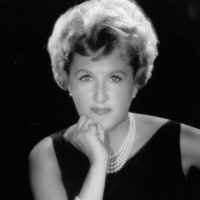
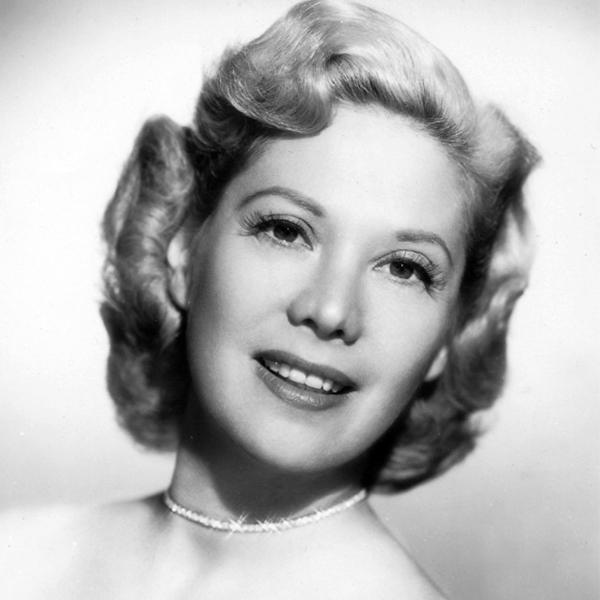
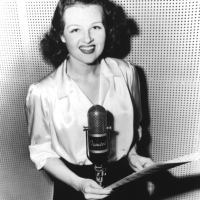
Jo Stafford’s Spotify BioOne of the most technically gifted and popular vocalists of the immediate postwar period, Jo Stafford effortlessly walked the line between breezy pop and the more serious art of post-big-band jazz singing. With the help of her husband, top-flight arranger and Capitol A&R director Paul Weston, Stafford recorded throughout the '40s and '50s for Capitol and Columbia. She also contributed (with Weston) to one of the best pop novelty acts of the period, a humorously inept and off-key satire that saw the couple billed as Jonathan & Darlene Edwards.
Born near Fresno, California, Stafford sang from an early age and was classically trained, though she later joined her sisters in a country-tinged act (associated for a time with Joe "Country" Washburne). At the age of just 17, she became the first female voice in the seven-man vocal act known as the Pied Pipers. Soon after the group joined the Tommy Dorsey Orchestra in 1939, however, it was pruned to a quartet (which also included Stafford's first… husband, co-founder John Huddleston). The group appeared on several of the Dorsey band's hits of the early '40s, a few of which paired them with Frank Sinatra. Stafford gained her first solo spots on a pair of Dorsey band hits, "Yes, Indeed!" and "Manhattan Serenade." She finally left the Pied Pipers for a solo contract in 1944 (she was replaced by June Hutton), though the group provided backup for many of her initial solo hits.
Not only signed to Capitol but able to preview hit songs as the co-host of label founder Johnny Mercer's radio program, Stafford hit the charts with the mid-'40s songs "Long Ago (And Far Away)," "I Love You," and "Candy." The latter, a duet with Mercer and the Pied Pipers, became her first number one. In 1948, her duet with Gordon MacRae on "My Darling, My Darling" became her second. She later moved to Columbia and recorded the two biggest hits of her career, 1952's "You Belong to Me" and 1954's "Make Love to Me." Stafford gained her own television program during the mid-'50s, and also recorded the first LP by Jonathan & Darlene Edwards, American Popular Songs. (It wasn't the first time Stafford had used a pseudonym, however; in 1947, she billed herself as Cinderella G. Stump to record a cover of the cornpone single "Temptation [Tim-Tay-Shun].") Though she slipped from the charts in the late '50s and retired from live performance, Stafford continued to record for many years and issued the LP Getting Sentimental Over Tommy Dorsey on Reprise in 1963. She also founded Corinthian Records with Weston to reissue the couple's various recordings. ~ John Bush, Rovi
Viberate is a music analytics platform built for A&Rs, artist managers, labels, booking agents, marketers, and artists.
It helps music professionals track artist growth, analyze audience data, monitor playlist activity, compare artists, follow song performance, and identify opportunities across the music market.
Public artist pages provide a free preview of selected artist data. Paid plans provide access to deeper analytics, historical data, charts, comparisons, playlist tools, exports, alerts, reports, and additional professional features.
Yes. Public Viberate artist pages provide selected artist analytics and music data for free.
Viberate also offers a 7-day free trial of the full platform. A credit card is required to start the trial. The trial includes access to the complete product so users can test deeper artist analytics, historical views, playlist insights, comparisons, charts, exports, alerts, and reporting features before choosing a paid plan.
Viberate provides artist analytics across streaming, playlists, social media, video, radio airplay, songs, and audience markets.
Users can analyze Spotify performance, Spotify and Apple Music playlists, YouTube activity, TikTok and Instagram growth, radio spins, song performance, audience locations, demographics, rankings, and overall artist momentum.
Artist profiles also connect to music charts, similar artists, and comparison tools, helping users benchmark performance and evaluate artists in context.
Viberate updates key artist and track data daily.
For followed artists and tracks, selected data is refreshed multiple times per day. This helps teams monitor playlist changes, streaming movement, audience growth, releases, and campaign performance with more current data.
Update frequency can vary depending on the metric and data source.
Yes. Viberate lets users compare up to five artists side by side across streaming, social media, audience, and engagement metrics.
Users can compare fanbase growth, audience demographics, locations, Spotify performance, social metrics, and other artist data over selected time periods.
Artist comparison can be used for A&R scouting, benchmarking, booking decisions, campaign planning, and evaluating artists with similar audiences or market positions.