Lee Wiley

Jazz
Big band Jazz
Vocal jazz
 Viberate Rank: 130025
 Viberate Rank: 130025
 Monthly ListenersFollowers
 Subscribers
 Followers
 Followers
 FansTop Spotify Songs
| Track | 7-Day Streams | |
|---|---|---|
1 | 15.78K | |
2 | 4.76K | |
3 | 4.76K | |
4 | 4.54K | |
5 | 4.05K |
Top YouTube VideosMonthly ListenersFeatured in Playlists| Playlist | Followers | |
|---|---|---|
1 |  Classic Voices in Jazz Spotify | 250.23K |
2 |  In the Mood for Jazz Spotify | 144.33K |
3 | 1940s Hits platoc | 41.61K |
4 |  Essential Classics Essential Classics | 31.39K |
5 | 1940s Ben Hughes | 19.93K |
Audience| City | Monthly Listeners | |
|---|---|---|
1 | | 817 |
2 | | 738 |
3 |  | 701 |
4 | | 545 |
5 |  | 455 |
See full performance history, audience data, playlist activity, rankings, comparisons, and more in Viberate music analytics. Start with a free trial, then continue with a paid plan.
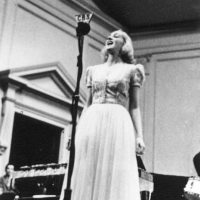
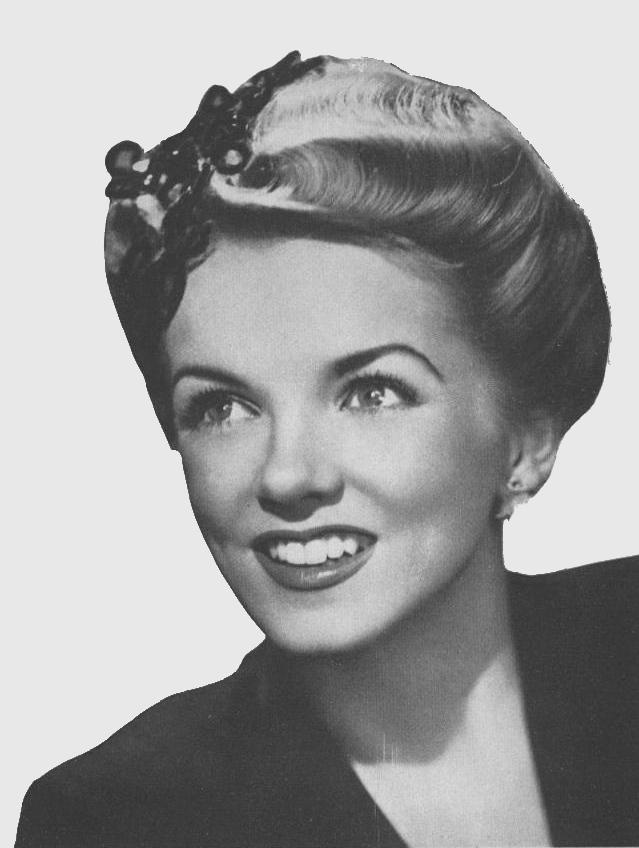
Lee Wiley’s Spotify BioHer husky, sensual voice and exquisitely cool readings of pop standards distinguished her singing, but Lee Wiley went on to earn notice as one of the best early jazz singers by recognizing the distinct qualities of American popular song and organizing a set of tunes around a common composer or theme -- later popularized as the songbook or concept LP. She was also a songwriter in her own right, albeit one more respected in the jazz community than the popular one. While her career spanned several decades, her most prolific recording period was in the 1950s. She appeared on record just once between the end of the decade and her death in 1975.
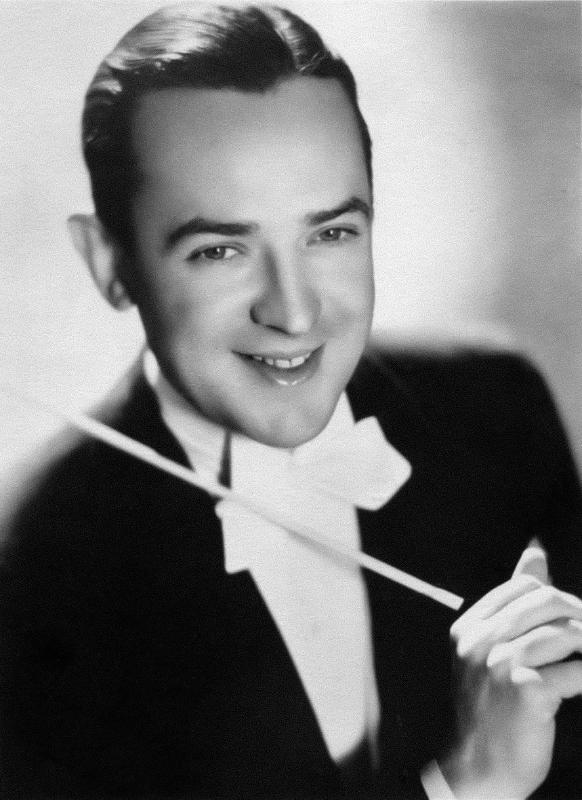
Wiley was born in 1908 in Ft. Gibson, Oklahoma. Early press reports claimed lineage from a Cherokee princess, as well as a birthdate five years later than the true one. Whatever her background, she began singing at an early age, influenced by Mildred Bailey and Ethel Waters' records. She left Oklahoma for New York City as a teenager, and made a few… demos in the late '20s before hiring on with Leo Reisman. Her first hit, "Time on My Hands," came in 1931 with Reisman and earned her solo billing on a few radio programs. Wiley also began recording her own sides for Kapp, backed by the Casa Loma Orchestra, the Dorsey Brothers, and Johnny Green.
Her popular fortunes fell however, after the threat of tuberculosis kept her from singing for more than a year. In the late '30s, Wiley began recording sides for the Liberty music shop. The results were a series of unique sessions, each organized around the work of one composer (first the Gershwins, then Cole Porter, Rodgers & Hart, and Harold Arlen) and released on the standard catalog album -- four 10" records played at 78 rpm -- for a grand total of eight songs by each composer. These "songbook" recordings also utilized the cream of the era's hot jazz musicians, including Eddie Condon, Bunny Berigan, Pee Wee Russell, Joe Bushkin, Fats Waller, and Jess Stacy; the latter became her husband for several years during the '40s. Wiley also performed often with Stacy's big band and with smaller groups led by Condon during the '40s. She signed to Columbia in 1950 and recorded several additional albums, including the excellent Night in Manhattan.
After recording a single album for Storyville, Wiley had moved again by the mid-'50s, to RCA Victor. Her two albums for the label, 1956's West of the Moon and the following year's A Touch of the Blues, provided capstones to her career, the first with the delicate arrangements of Ralph Burns proving the perfect accompaniment to her voice. Unfortunately, they were practically the last recordings of her career. After 14 years off-record, Wiley returned with one final session, 1971's Back Home Again. She died four years later in New York. ~ John Bush, Rovi
Viberate is a music analytics platform built for A&Rs, artist managers, labels, booking agents, marketers, and artists.
It helps music professionals track artist growth, analyze audience data, monitor playlist activity, compare artists, follow song performance, and identify opportunities across the music market.
Public artist pages provide a free preview of selected artist data. Paid plans provide access to deeper analytics, historical data, charts, comparisons, playlist tools, exports, alerts, reports, and additional professional features.
Yes. Public Viberate artist pages provide selected artist analytics and music data for free.
Viberate also offers a 7-day free trial of the full platform. A credit card is required to start the trial. The trial includes access to the complete product so users can test deeper artist analytics, historical views, playlist insights, comparisons, charts, exports, alerts, and reporting features before choosing a paid plan.
Viberate provides artist analytics across streaming, playlists, social media, video, radio airplay, songs, and audience markets.
Users can analyze Spotify performance, Spotify and Apple Music playlists, YouTube activity, TikTok and Instagram growth, radio spins, song performance, audience locations, demographics, rankings, and overall artist momentum.
Artist profiles also connect to music charts, similar artists, and comparison tools, helping users benchmark performance and evaluate artists in context.
Viberate updates key artist and track data daily.
For followed artists and tracks, selected data is refreshed multiple times per day. This helps teams monitor playlist changes, streaming movement, audience growth, releases, and campaign performance with more current data.
Update frequency can vary depending on the metric and data source.
Yes. Viberate lets users compare up to five artists side by side across streaming, social media, audience, and engagement metrics.
Users can compare fanbase growth, audience demographics, locations, Spotify performance, social metrics, and other artist data over selected time periods.
Artist comparison can be used for A&R scouting, benchmarking, booking decisions, campaign planning, and evaluating artists with similar audiences or market positions.