Dinah Shore

Jazz
Vocal jazz
Big band Jazz
 Viberate Rank: 46652
 Viberate Rank: 46652
 Monthly ListenersFollowers
 Subscribers
 Followers
 Followers
 FansTop Spotify Songs
| Track | 7-Day Streams | |
|---|---|---|
1 | 342.48K | |
2 | 18.66K | |
3 | 6.63K | |
4 | 6.27K | |
5 | 5.17K |
Top YouTube VideosMonthly ListenersFeatured in Playlists| Playlist | Followers | |
|---|---|---|
1 |  Jazz for Lovers Spotify | 345.37K |
2 |  Classic Voices in Jazz Spotify | 250.32K |
3 |  Cozy Jazz Spotify | 223.48K |
4 |  Jazz Bar Spotify | 208.13K |
5 |  40s/50s/60s love/slow songs 🎙️ Arielsimone07 | 189.76K |
Audience| City | Monthly Listeners | |
|---|---|---|
1 |  | 1.76K |
2 | | 1.59K |
3 | | 1.50K |
4 |  | 1.38K |
5 | | 1.28K |
See full performance history, audience data, playlist activity, rankings, comparisons, and more in Viberate music analytics. Start with a free trial, then continue with a paid plan.
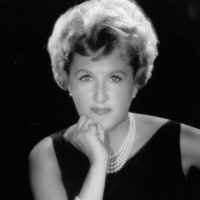
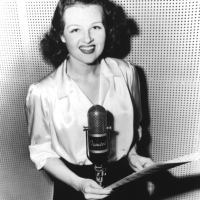
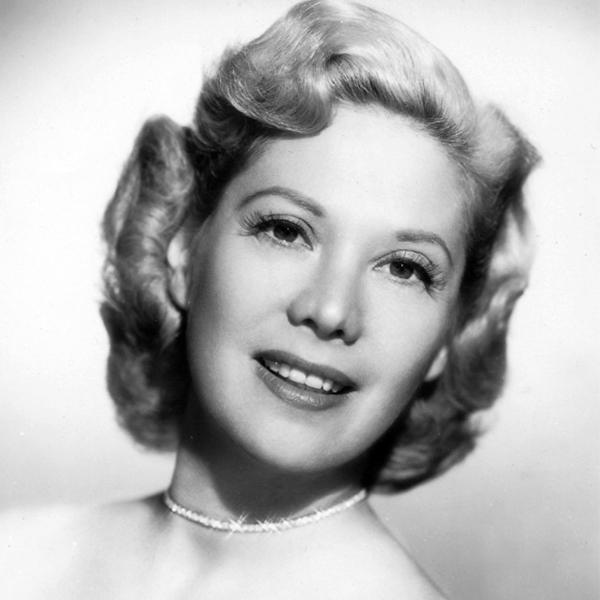
Dinah Shore’s Spotify BioOne of America's most popular entertainers long after her mid-'40s commercial peak, Dinah Shore was the first major vocalist to break away from the big-band format and begin a solo-billed career. During the '40s, she recorded several of the decade's biggest singles -- "Buttons and Bows," "The Gypsy," and "I'll Walk Alone" -- all of which spent more than a month at number one on the Hit Parade. After launching a television variety series in 1951, Shore appeared on one program or another, with few gaps, into the 1980s.
Born in rural Tennessee, Dinah Shore was performing on Nashville radio while still a teenager. Her professional career later took her to New York, where she sang with Xavier Cugat. After failing auditions with Benny Goodman and Tommy Dorsey however, she decided to simply become a solo singer. Shore signed to Bluebird, and recorded several hits during 1940-41, including "Yes, My Darling Daughter," "I Hear a Rhapsody" and "Jim." Her first million-seller came in 1942 with the… prototypical blues crossover nugget, "Blues in the Night." Later that year, she moved to Victor and hit big with "You'd Be So Nice to Come Home To" and her first number one hit, 1944's "I'll Walk Alone." Shore also began appearing in films, including 1944's Up in Arms and 1946's Till the Clouds Roll By.
The late '40s proved to be her most popular era for recording. Between 1946 and 1949, she hit big with several songs, including "The Gypsy," "I Love You for Sentimental Reasons," "Anniversary Song," "I Wish I Didn't Love You So," "Buttons and Bows" and "Dear Hearts and Gentle People." Though her records didn't chart as high during the '50s, Dinah Shore enjoyed even more exposure with her top-rated variety show, The Dinah Shore Chevy Show. For many, Shore's opening and closing every show with "See the USA in your Chevrolet, America's the greatest land of all" practically defined the '50s. Her Chevrolet sponsorship lasted until 1963, but she returned in the '70s with a new format, the daytime talk-show. During the 1980s, she began performing once again, but returned to television once more with a series that ran for two years. She died of cancer in 1994. ~ John Bush, Rovi
Viberate is a music analytics platform built for A&Rs, artist managers, labels, booking agents, marketers, and artists.
It helps music professionals track artist growth, analyze audience data, monitor playlist activity, compare artists, follow song performance, and identify opportunities across the music market.
Public artist pages provide a free preview of selected artist data. Paid plans provide access to deeper analytics, historical data, charts, comparisons, playlist tools, exports, alerts, reports, and additional professional features.
Yes. Public Viberate artist pages provide selected artist analytics and music data for free.
Viberate also offers a 7-day free trial of the full platform. A credit card is required to start the trial. The trial includes access to the complete product so users can test deeper artist analytics, historical views, playlist insights, comparisons, charts, exports, alerts, and reporting features before choosing a paid plan.
Viberate provides artist analytics across streaming, playlists, social media, video, radio airplay, songs, and audience markets.
Users can analyze Spotify performance, Spotify and Apple Music playlists, YouTube activity, TikTok and Instagram growth, radio spins, song performance, audience locations, demographics, rankings, and overall artist momentum.
Artist profiles also connect to music charts, similar artists, and comparison tools, helping users benchmark performance and evaluate artists in context.
Viberate updates key artist and track data daily.
For followed artists and tracks, selected data is refreshed multiple times per day. This helps teams monitor playlist changes, streaming movement, audience growth, releases, and campaign performance with more current data.
Update frequency can vary depending on the metric and data source.
Yes. Viberate lets users compare up to five artists side by side across streaming, social media, audience, and engagement metrics.
Users can compare fanbase growth, audience demographics, locations, Spotify performance, social metrics, and other artist data over selected time periods.
Artist comparison can be used for A&R scouting, benchmarking, booking decisions, campaign planning, and evaluating artists with similar audiences or market positions.