Mighty Joe Young

Blues
Classic Blues
Contemporary Blues
 Viberate Rank: 238233
 Viberate Rank: 238233
 Monthly ListenersFollowers
 Subscribers
 Followers
 Followers
 FansTop Spotify Songs
| Track | 7-Day Streams | |
|---|---|---|
1 | 6.07K | |
2 | 1.20K | |
3 | 1.06K | |
4 | 1.03K | |
5 | 876 |
Top YouTube VideosMonthly ListenersFeatured in Playlists| Playlist | Followers | |
|---|---|---|
1 |  Chicago Blues Spotify | 191.01K |
2 |  Blues Ballads/ Slow Blues Joar Fosså | 39.54K |
3 |  Slow Blues & Blues Rock | Don's Tunes Don's Tunes | 19.74K |
4 | jazz,funk,soul,blues,afrobeat,latin İlker Özalp | 11.48K |
5 |  Hacks Soundtrack - Season 1-5 (HBO Max) 116867114 | 11.32K |
Audience| City | Monthly Listeners | |
|---|---|---|
1 |  | 267 |
2 | | 220 |
3 |  | 195 |
4 | | 188 |
5 |  | 167 |
See full performance history, audience data, playlist activity, rankings, comparisons, and more in Viberate music analytics. Start with a free trial, then continue with a paid plan.
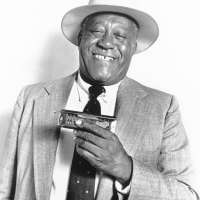
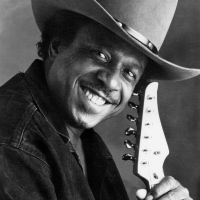
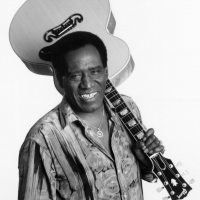
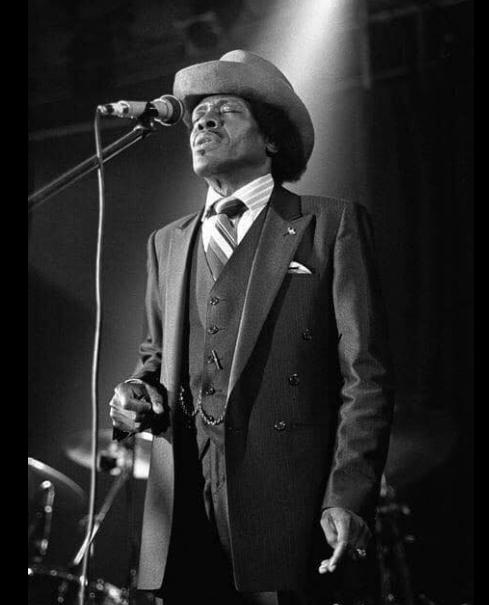
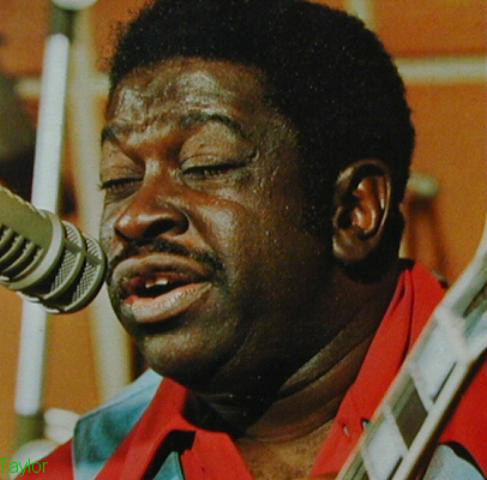
Mighty Joe Young’s Spotify BioThere was a time during the late '70s and early '80s when Mighty Joe Young was one of the leading blues guitarists on Chicago's budding North side blues circuit. The Louisiana native got his start not in the Windy City, but in Milwaukee, where he was raised. He earned a reputation as a reliable guitarist on Chicago's West side with Joe Little & his Heart Breakers during the mid-'50s, later changing his on-stage allegiance to harpist Billy Boy Arnold. Young recorded with Arnold for Prestige and Testament during the '60s and backed Jimmy Rogers for Chess in 1958.
After abortive attempts to inaugurate a solo career with Jiffy Records in Louisiana in 1955 and Chicago's Atomic-H label three years later, Young hit his stride in 1961 with the sizzling "Why Baby"/"Empty Arms" for Bobby Robinson's Fire label. Young gigged as Otis Rush's rhythm guitarist from 1960 to 1963 and cut a series of excellent Chicago blues 45s for a variety of firms: "I Want a Love," "Voo Doo Dust," and "Something's… Wrong" for Webcor during the mid-'60s; "Something's Wrong" for Webcor in 1966; "Sweet Kisses" and "Henpecked" on Celtex and "Hard Times (Follow Me)" for USA (all 1967), and "Guitar Star" for Jacklyn in 1969. Young even guested on Bill "Hoss" Allen's groundbreaking 1966 syndicated R&B TV program The Beat in Dallas. Late-'60s session work included dates with Tyrone Davis and Jimmy Dawkins.
Delmark issued Young's solo album debut, Blues With a Touch of Soul, in 1971, but a pair of mid-'70s LPs for Ovation (1974's Chicken Heads and an eponymous set in 1976) showcased the guitarist's blues-soul synthesis far more effectively. Young's main local haunt during the '70s and early '80s was Wise Fools Pub, where he packed 'em in nightly (with Freddy King's brother, Benny Turner, on bass).
In 1986 Joe began work on a self-financed recording that would finally allow him to have complete artistic control. At this time he also discovered surgery was needed on a pinched nerve in his neck. Following the operation, complications arose that affected his ability to play guitar. As part of psychical therapy he continued to work on the album sporadically until Mighty Man was finally released in 1997. Unfortunately health problems continued to plague Mighty Joe and he passed away on March 25, 1999 in Chicago. He was 71. ~ Bill Dahl & Al Campbell, Rovi
Viberate is a music analytics platform built for A&Rs, artist managers, labels, booking agents, marketers, and artists.
It helps music professionals track artist growth, analyze audience data, monitor playlist activity, compare artists, follow song performance, and identify opportunities across the music market.
Public artist pages provide a free preview of selected artist data. Paid plans provide access to deeper analytics, historical data, charts, comparisons, playlist tools, exports, alerts, reports, and additional professional features.
Yes. Public Viberate artist pages provide selected artist analytics and music data for free.
Viberate also offers a 7-day free trial of the full platform. A credit card is required to start the trial. The trial includes access to the complete product so users can test deeper artist analytics, historical views, playlist insights, comparisons, charts, exports, alerts, and reporting features before choosing a paid plan.
Viberate provides artist analytics across streaming, playlists, social media, video, radio airplay, songs, and audience markets.
Users can analyze Spotify performance, Spotify and Apple Music playlists, YouTube activity, TikTok and Instagram growth, radio spins, song performance, audience locations, demographics, rankings, and overall artist momentum.
Artist profiles also connect to music charts, similar artists, and comparison tools, helping users benchmark performance and evaluate artists in context.
Viberate updates key artist and track data daily.
For followed artists and tracks, selected data is refreshed multiple times per day. This helps teams monitor playlist changes, streaming movement, audience growth, releases, and campaign performance with more current data.
Update frequency can vary depending on the metric and data source.
Yes. Viberate lets users compare up to five artists side by side across streaming, social media, audience, and engagement metrics.
Users can compare fanbase growth, audience demographics, locations, Spotify performance, social metrics, and other artist data over selected time periods.
Artist comparison can be used for A&R scouting, benchmarking, booking decisions, campaign planning, and evaluating artists with similar audiences or market positions.