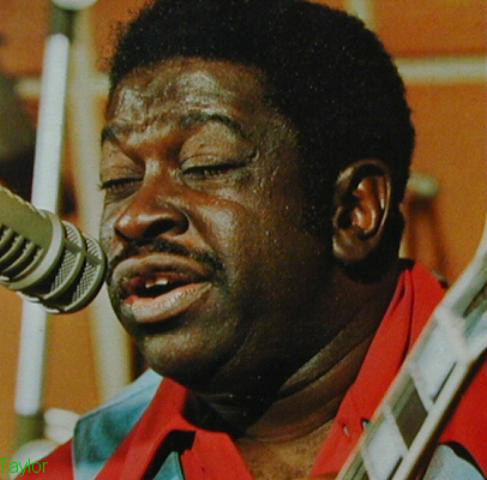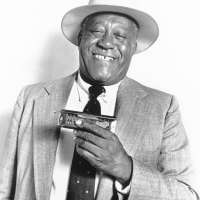
Snooky Pryor

Blues
Contemporary Blues
Contemporary R&B
 Viberate Rank: 153637
 Viberate Rank: 153637
 Monthly ListenersFollowers
 Subscribers
 Followers
 Followers
 FansTop Spotify Songs
| Track | 7-Day Streams | |
|---|---|---|
1 | 13.65K | |
2 | 9.36K | |
3 | 8.10K | |
4 | 6.87K | |
5 | 2.13K |
Top YouTube VideosMonthly ListenersFeatured in Playlists| Playlist | Followers | |
|---|---|---|
1 |  Chicago Blues Spotify | 191.01K |
2 |  Greatest Blues Jared Kerkhof | 56.16K |
3 |  The Sound of Everything The Sounds of Spotify | 53.81K |
4 |  Boerderij van Dorst BNNVARA | 47.46K |
5 |  Blues Ballads/ Slow Blues Joar Fosså | 39.54K |
Audience| City | Monthly Listeners | |
|---|---|---|
1 |  | 891 |
2 |  | 596 |
3 | | 587 |
4 |  | 409 |
5 | | 386 |
See full performance history, audience data, playlist activity, rankings, comparisons, and more in Viberate music analytics. Start with a free trial, then continue with a paid plan.
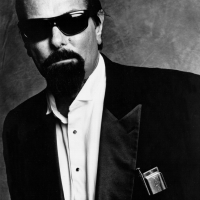
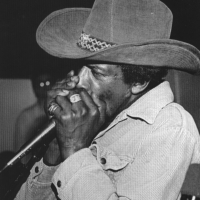
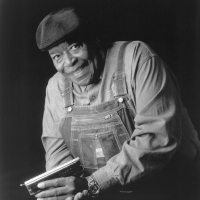
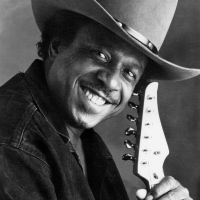
Snooky Pryor’s Spotify BioOnly recently has Snooky Pryor finally begun to receive full credit for the mammoth role he played in shaping the amplified Chicago blues harp sound during the postwar era. He's long claimed he was the first harpist to run his sound through a public address system around the Windy City -- and since nobody's around to refute the claim at this point, we'll have to accept it! James Edward Pryor was playing harmonica at the age of eight in Mississippi. The two Sonny Boys were influential to Pryor's emerging style, as he played around the Delta. He hit Chicago for the first time in 1940, later serving in the Army at nearby Fort Sheridan. Playing his harp through powerful Army PA systems gave Pryor the idea to acquire his own portable rig once he left the service. Armed with a primitive amp, he dazzled the folks on Maxwell Street in late 1945 with his massively amplified harp. Pryor made some groundbreaking 78s during the immediate postwar Chicago blues era. Teaming with guitarist Moody… Jones, he waxed "Telephone Blues" and "Boogie" for Planet Records in 1948, encoring the next year with "Boogy Fool"/"Raisin' Sand" for JOB with Jones on bass and guitarist Baby Face Leroy Foster in support. Pryor made more classic sides for JOB (1952-1953), Parrot (1953), and Vee-Jay ("Someone to Love Me"/"Judgment Day") in 1956, but commercial success never materialized. He wound down his blues-playing in the early '60s, finally chucking it all and moving to downstate Ullin, IL, in 1967. For a long while, Pryor's whereabouts were unknown. But the 1987 Blind Pig album Snooky, produced by guitarist Steve Freund, announced to the world that the veteran harpist was alive and well, his chops still honed. A pair of solid discs for Antone's, Too Cool to Move and In This Mess Up to My Chest, followed. Pryor stayed busy until his death in 2006. ~ Bill Dahl, Rovi
Viberate is a music analytics platform built for A&Rs, artist managers, labels, booking agents, marketers, and artists.
It helps music professionals track artist growth, analyze audience data, monitor playlist activity, compare artists, follow song performance, and identify opportunities across the music market.
Public artist pages provide a free preview of selected artist data. Paid plans provide access to deeper analytics, historical data, charts, comparisons, playlist tools, exports, alerts, reports, and additional professional features.
Yes. Public Viberate artist pages provide selected artist analytics and music data for free.
Viberate also offers a 7-day free trial of the full platform. A credit card is required to start the trial. The trial includes access to the complete product so users can test deeper artist analytics, historical views, playlist insights, comparisons, charts, exports, alerts, and reporting features before choosing a paid plan.
Viberate provides artist analytics across streaming, playlists, social media, video, radio airplay, songs, and audience markets.
Users can analyze Spotify performance, Spotify and Apple Music playlists, YouTube activity, TikTok and Instagram growth, radio spins, song performance, audience locations, demographics, rankings, and overall artist momentum.
Artist profiles also connect to music charts, similar artists, and comparison tools, helping users benchmark performance and evaluate artists in context.
Viberate updates key artist and track data daily.
For followed artists and tracks, selected data is refreshed multiple times per day. This helps teams monitor playlist changes, streaming movement, audience growth, releases, and campaign performance with more current data.
Update frequency can vary depending on the metric and data source.
Yes. Viberate lets users compare up to five artists side by side across streaming, social media, audience, and engagement metrics.
Users can compare fanbase growth, audience demographics, locations, Spotify performance, social metrics, and other artist data over selected time periods.
Artist comparison can be used for A&R scouting, benchmarking, booking decisions, campaign planning, and evaluating artists with similar audiences or market positions.