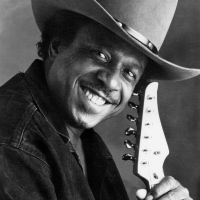
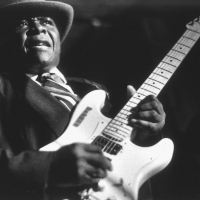
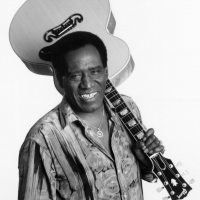
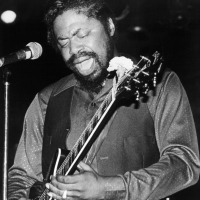
A.C. Reed

Blues
Classic Blues
Contemporary Blues
 Viberate Rank: 159932
 Viberate Rank: 159932
 Monthly ListenersFollowers
 Subscribers
 Followers
 Followers
 FansTop Spotify Songs
| Track | 7-Day Streams | |
|---|---|---|
1 | 21.53K | |
2 | 5.33K | |
3 | 4.37K | |
4 | 4.00K | |
5 | 3.58K |
Top YouTube VideosMonthly ListenersFeatured in Playlists| Playlist | Followers | |
|---|---|---|
1 |  Chicago Blues Spotify | 191.01K |
2 |  Greatest Blues Jared Kerkhof | 56.16K |
3 |  Ultimate Blues Playlist Marcus | 10.62K |
4 | Best of Rythm and Blues jormanspotify | 10.43K |
5 |  Funky Blues Joar Fosså | 9.54K |
Audience| City | Monthly Listeners | |
|---|---|---|
1 |  | 1.44K |
2 |  | 951 |
3 | | 889 |
4 | | 712 |
5 |  | 630 |
See full performance history, audience data, playlist activity, rankings, comparisons, and more in Viberate music analytics. Start with a free trial, then continue with a paid plan.
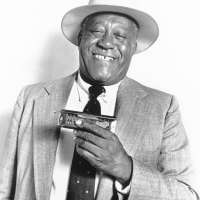
A.C. Reed’s Spotify BioTo hear tenor saxist A.C. Reed bemoan his fate on-stage, one might glean the impression that he truly detests his job. But it's a tongue-in-cheek complaint -- Reed's raspy, gutbucket blowing and laid-back vocals belie any sense of boredom.
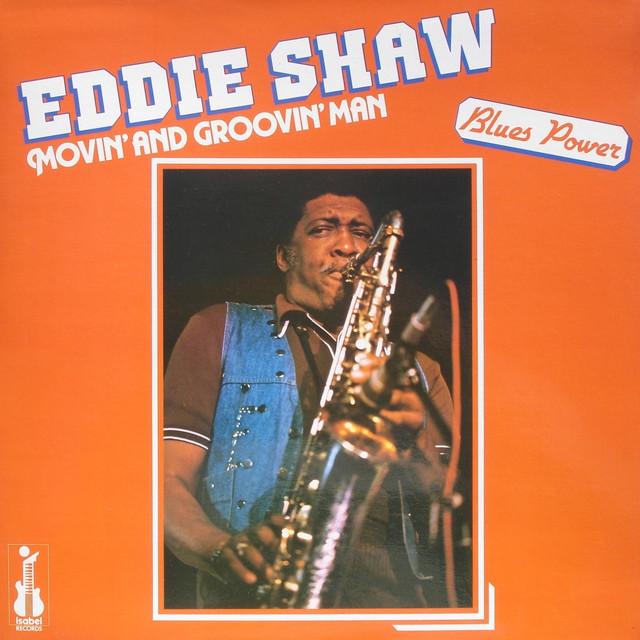
Sax-blowing blues bandleaders are scarce as hen's teeth in Chicago; other than Eddie Shaw, Reed's about all there is. Born in Missouri, young Aaron Corthen (whether he's related to blues legend Jimmy Reed remains hazy, but his laconic vocal drawl certainly mirrors his namesake) grew up in downstate Illinois. A big-band fan, he loved the sound of Paul Bascomb's horn on an obscure Erskine Hawkins 78 he heard tracking on a tavern jukebox so much that he was inspired to pick up a sax himself.
Arriving in Chicago during the war years, he picked up steady gigs with Earl Hooker and Willie Mabon before the '40s were over. In 1956, he joined forces with ex-Ike Turner cohort Dennis "Long Man" Binder, gigging across the southwest for an extended period. Reed… became a valuable session player for producer Mel London's Age and Chief labels during the early '60s; in addition to playing on sides by Lillian Offitt, Ricky Allen, and Hooker, he cut a locally popular 1961 single of his own for Age, "This Little Voice."
More gems for Age -- "Come on Home," "Mean Cop," "I Stay Mad" -- followed. He cut 45s for USA in 1963 ("I'd Rather Fight Than Switch"), Cool ("My Baby Is Fine," a tune he's recut countless times since) and Nike ("Talkin' 'Bout My Friends") in 1966, and "Things I Want You to Do" in 1969 for T.D.S.
Reed joined Buddy Guy's band in 1967, visiting Africa with the mercurial guitarist in 1969 and, after harpist Junior Wells teamed with Guy, touring as opening act for the Rolling Stones in 1970. He left the employ of Guy and Wells for good in 1977, only to hook up with Alligator acts Son Seals, and then the Master of the Telecaster, Albert Collins. Reed appeared on Collins' first five icy Alligator LPs, including the seminal Ice Pickin'.
During his tenure with Collins, Reed's solo career began to reignite, with four cuts on the second batch of Alligator's Living Chicago Blues anthologies in 1980 and two subsequent LPs of his own, 1982's Take These Blues and Shove 'Em! (on Ice Cube Records, a logo co-owned by Reed and drummer Casey Jones) and I'm in the Wrong Business! five years later for Alligator (with cameos by Bonnie Raitt and Stevie Ray Vaughan). Until his death from cancer in February of 2004, Reed remained an active force on the Chicago circuit with his band the Spark Plugs (get it? AC spark plugs? Sure you do!). ~ Bill Dahl, Rovi
Viberate is a music analytics platform built for A&Rs, artist managers, labels, booking agents, marketers, and artists.
It helps music professionals track artist growth, analyze audience data, monitor playlist activity, compare artists, follow song performance, and identify opportunities across the music market.
Public artist pages provide a free preview of selected artist data. Paid plans provide access to deeper analytics, historical data, charts, comparisons, playlist tools, exports, alerts, reports, and additional professional features.
Yes. Public Viberate artist pages provide selected artist analytics and music data for free.
Viberate also offers a 7-day free trial of the full platform. A credit card is required to start the trial. The trial includes access to the complete product so users can test deeper artist analytics, historical views, playlist insights, comparisons, charts, exports, alerts, and reporting features before choosing a paid plan.
Viberate provides artist analytics across streaming, playlists, social media, video, radio airplay, songs, and audience markets.
Users can analyze Spotify performance, Spotify and Apple Music playlists, YouTube activity, TikTok and Instagram growth, radio spins, song performance, audience locations, demographics, rankings, and overall artist momentum.
Artist profiles also connect to music charts, similar artists, and comparison tools, helping users benchmark performance and evaluate artists in context.
Viberate updates key artist and track data daily.
For followed artists and tracks, selected data is refreshed multiple times per day. This helps teams monitor playlist changes, streaming movement, audience growth, releases, and campaign performance with more current data.
Update frequency can vary depending on the metric and data source.
Yes. Viberate lets users compare up to five artists side by side across streaming, social media, audience, and engagement metrics.
Users can compare fanbase growth, audience demographics, locations, Spotify performance, social metrics, and other artist data over selected time periods.
Artist comparison can be used for A&R scouting, benchmarking, booking decisions, campaign planning, and evaluating artists with similar audiences or market positions.