William Clarke

Blues
Contemporary Blues
 Viberate Rank: 174650
 Viberate Rank: 174650
 Monthly ListenersFollowers
 Subscribers
 Followers
 Followers
 FansTop Spotify Songs
| Track | 7-Day Streams | |
|---|---|---|
1 | 8.68K | |
2 | 4.32K | |
3 | 4.32K | |
4 | 2.62K | |
5 | 1.78K |
Top YouTube VideosMonthly ListenersFeatured in Playlists| Playlist | Followers | |
|---|---|---|
1 |  Chicago Blues Spotify | 191.01K |
2 |  Whiskey Blues 🥃 Тhe Original | The Best Slow Blues / Blues Rock Don's Tunes | 85.92K |
3 |  Greatest Blues Jared Kerkhof | 56.16K |
4 |  Don's Tunes | Blues & Jazz Playlist | Official Don's Tunes | 50.96K |
5 | Boogie Woogie ! Sondre Olsen-Bye | 33.90K |
Audience| City | Monthly Listeners | |
|---|---|---|
1 |  | 702 |
2 |  | 504 |
3 | | 494 |
4 |  | 376 |
5 | | 349 |
See full performance history, audience data, playlist activity, rankings, comparisons, and more in Viberate music analytics. Start with a free trial, then continue with a paid plan.
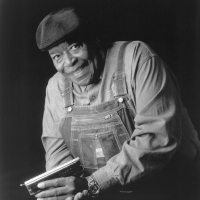
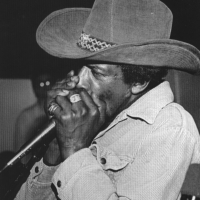
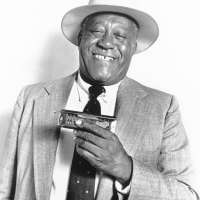
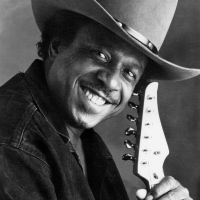
William Clarke’s Spotify BioThe heir apparent to Chicago's legacy of amplified blues harmonica, William Clarke was the first original new voice on his instrument to come along in quite some time; he became a sensation in blues circles during the late '80s and early '90s, stopped short by an untimely death in 1996. A pupil and devotee of George Harmonica Smith, Clarke was a technical virtuoso and master of both the diatonic harp and the more difficult chromatic harp (the signature instrument of both Smith and Little Walter). Where many new harmonica players had become content to cop licks from the Chicago masters, Clarke developed his own style and vocabulary, building on everything he learned from Smith and moving beyond it. His four '90s albums for Alligator earned wide critical acclaim and remain his signature showcases.
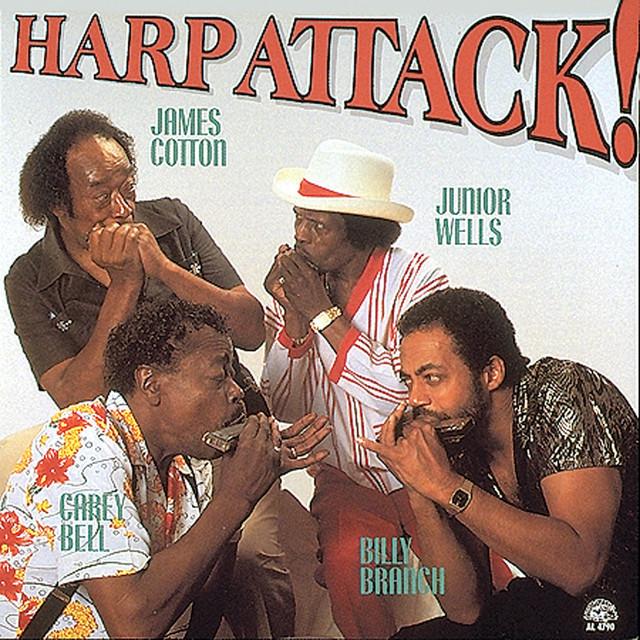
Clarke was born March 29, 1951, in the South Central L.A. suburb of Inglewood; his parents had moved there from Kentucky and lived a blue-collar life. Clarke dabbled in guitar and drums as a… youth, and grew up listening to rock & roll, but eventually found his way to the blues by way of the Rolling Stones' early albums. He took up the harmonica in 1967, and soon found his way onto the Los Angeles blues scene while working a day job as a machinist. Clarke's early style was influenced by Big Walter Horton, Junior Wells, James Cotton, and Sonny Boy Williamson II, but he soon began to incorporate the influence of '60s soul-jazz, mimicking the lines of the genre's top sax and organ players. He was a regular in South Central L.A.'s blues clubs, often hopping from one venue to another in order to keep playing all night. In this manner, he met quite a few West Coast blues luminaries, including -- among others -- T-Bone Walker, Pee Wee Crayton, Lowell Fulson, Big Mama Thornton, and George "Harmonica" Smith, who ultimately became his teacher and mentor.
Smith and Clarke first began to perform and record together in 1977, and kept up their relationship until Smith's death in 1983. In the meantime, Clarke guested on sessions by West Coast artists like Smokey Wilson and Shakey Jake Harris, and released several of his own LPs, all recorded for small labels. The first was 1978's Hittin' Heavy, which was followed by 1980's Blues From Los Angeles; both were released on tiny local labels. 1983's Can't You Hear Me Calling was more of a proper debut, though Clarke still hadn't quite hit his stride yet. That would start to happen with 1987's Tip of the Top, a tribute to Smith that was issued by Satch and earned a W.C. Handy Award nomination. Clarke finally quit his job as a machinist that year, and followed Tip of the Top with a live album, Rockin' the Boat, in 1988. By this time, his reputation was beginning to spread beyond Los Angeles, despite the fact that none of his albums had yet achieved full national distribution.
Clarke subsequently sent a demo tape to Alligator Records, and was immediately offered a contract. His label debut was the galvanizing Blowin' Like Hell, which earned rave reviews upon its release in 1990 and established him as a new, fully formed voice on amplified harmonica. Clarke hit the road hard, touring America and Europe over the next year; he also won the 1991 Handy Award for Blues Song of the Year, thanks to "Must Be Jelly." His follow-up, 1992's Serious Intentions, was equally blistering in its intensity. 1994's Groove Time added a horn section, bringing some of the jazz and swing undercurrents in Clarke's music forward. He pursued that direction even further on 1996's The Hard Way, his jazziest and most ambitious outing yet, which earned strong reviews once again.
Unfortunately, Clarke's health was deteriorating; always a large man, hard living on the road was taking its toll on his body. He collapsed on-stage in Indianapolis in March 1996 and was diagnosed with congestive heart failure. Despite losing weight and living clean and sober from then on, the damage had been done; Clarke resumed his heavy touring schedule a few months later and seemed to have recovered, until he collapsed on-stage again in Fresno. He was admitted to the hospital with a bleeding ulcer and died the next day, November 2, 1996, when surgical attempts to save his life failed. He was only 45 and in the prime of his career. Posthumously, Clarke won three Handy Awards stemming from The Hard Way: Album of the Year, Song of the Year ("Fishing Blues"), and Instrumentalist of the Year for harmonica. In 1999, Alligator released a best-of compilation titled Deluxe Edition. ~ Steve Huey, Rovi
Viberate is a music analytics platform built for A&Rs, artist managers, labels, booking agents, marketers, and artists.
It helps music professionals track artist growth, analyze audience data, monitor playlist activity, compare artists, follow song performance, and identify opportunities across the music market.
Public artist pages provide a free preview of selected artist data. Paid plans provide access to deeper analytics, historical data, charts, comparisons, playlist tools, exports, alerts, reports, and additional professional features.
Yes. Public Viberate artist pages provide selected artist analytics and music data for free.
Viberate also offers a 7-day free trial of the full platform. A credit card is required to start the trial. The trial includes access to the complete product so users can test deeper artist analytics, historical views, playlist insights, comparisons, charts, exports, alerts, and reporting features before choosing a paid plan.
Viberate provides artist analytics across streaming, playlists, social media, video, radio airplay, songs, and audience markets.
Users can analyze Spotify performance, Spotify and Apple Music playlists, YouTube activity, TikTok and Instagram growth, radio spins, song performance, audience locations, demographics, rankings, and overall artist momentum.
Artist profiles also connect to music charts, similar artists, and comparison tools, helping users benchmark performance and evaluate artists in context.
Viberate updates key artist and track data daily.
For followed artists and tracks, selected data is refreshed multiple times per day. This helps teams monitor playlist changes, streaming movement, audience growth, releases, and campaign performance with more current data.
Update frequency can vary depending on the metric and data source.
Yes. Viberate lets users compare up to five artists side by side across streaming, social media, audience, and engagement metrics.
Users can compare fanbase growth, audience demographics, locations, Spotify performance, social metrics, and other artist data over selected time periods.
Artist comparison can be used for A&R scouting, benchmarking, booking decisions, campaign planning, and evaluating artists with similar audiences or market positions.