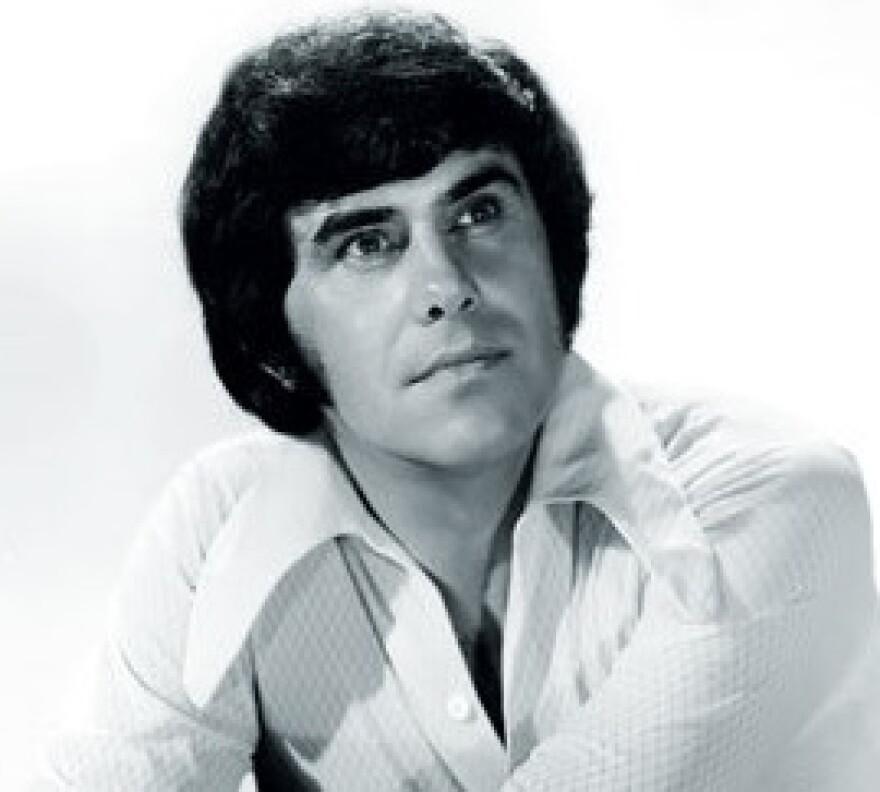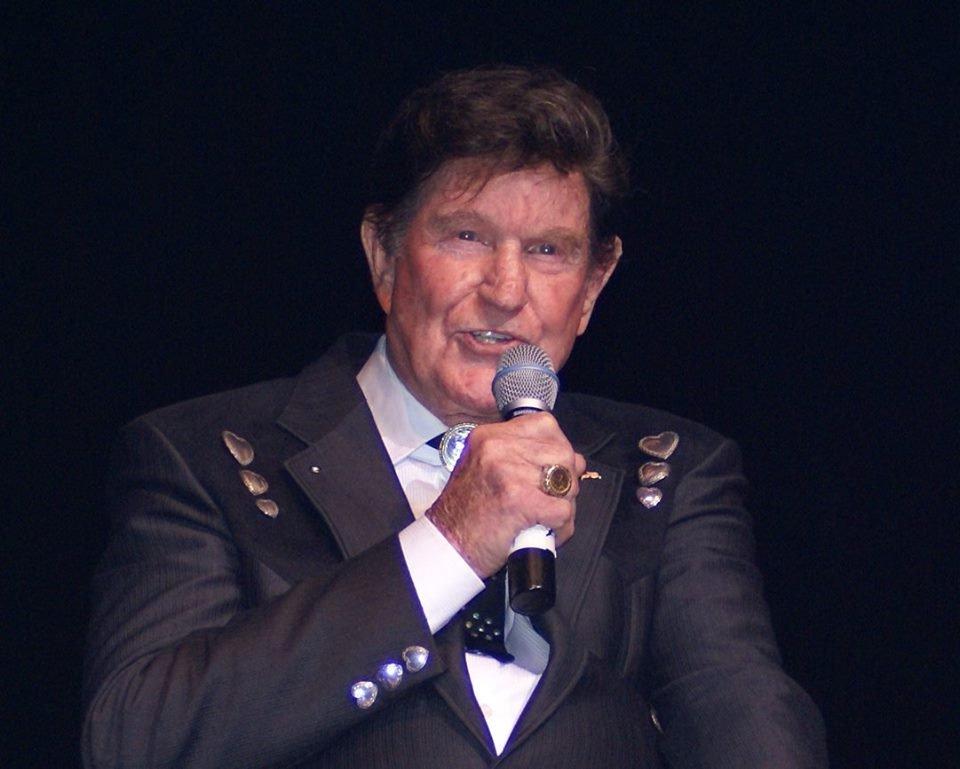
Melba Montgomery

Country
Contemporary Country
Americana/Alt Country
 Viberate Rank: 228720
 Viberate Rank: 228720
 Monthly ListenersFollowers
 Subscribers
 Followers
 Followers
 FansTop Spotify Songs
| Track | 7-Day Streams | |
|---|---|---|
1 | 4.35K | |
2 | 1.15K | |
3 | 737 | |
4 | 317 | |
5 | 317 |
Top YouTube Videos| Video | 7-Day Views | |
|---|---|---|
1 | 140 |
Monthly ListenersFeatured in Playlists| Playlist | Followers | |
|---|---|---|
1 |  This Is George Jones Spotify | 64.46K |
2 |  George Jones: Greatest Hits Plugged In | 54.72K |
3 |  The Best of John Prine Jimmy Carnes | 34.06K |
4 | Classic Country Carter Santos | 28.54K |
5 |  Best Get Ready Tyler Childers | 15.82K |
Audience| City | Monthly Listeners | |
|---|---|---|
1 | | 292 |
2 |  | 228 |
3 | | 196 |
4 | | 183 |
5 | | 181 |
See full performance history, audience data, playlist activity, rankings, comparisons, and more in Viberate music analytics. Start with a free trial, then continue with a paid plan.
Melba Montgomery’s Spotify BioWhile a successful singer in her own right, Melba Montgomery was perhaps best remembered in tandem with her string of duet recordings with the likes of George Jones, Charlie Louvin, and Gene Pitney. Born October 14, 1938, in Iron City, TN, and raised in Florence, AL, Montgomery gained her first exposure to music through her father, a fiddler and guitarist who taught vocal lessons at the town's Methodist church. At the age of ten, she was given her own guitar, and a decade later, she and her brother won an amateur talent contest held at Nashville radio station WSM's Studio C, which then housed the Grand Ole Opry. Montgomery's performance so impressed contest judge Roy Acuff that he asked the young singer to replace his departing lead vocalist June Webb; she accepted and toured with Acuff for the next four years.
After going solo in 1962, Montgomery released a self-titled LP and then teamed for a series of duets with Jones. Their first joint effort, a rendition of Montgomery's self-penned… "We Must Have Been Out of Our Minds," reached the Top Three in 1963, and the follow-up, "What's in Our Heart"/"Let's Invite Them Over," was a two-sided Top 20 hit. Between 1963 and 1967, the Jones-Montgomery team generated a total of five Top 40 hits and two LPs (1966's Close Together and 1967's Let's Get Together), and while Montgomery maintained a successful solo career during the same period, she remained best known as a duet singer and so recorded an album of collaborations with Pitney titled Being Together in 1966.
After a few minor solo hits in the late '60s, in 1970 Montgomery found new partners in Louvin and producer Pete Drake. The duo's first hit, "Something to Brag About," was also their biggest, and after a string of singles and a 1971 album -- also titled Something to Brag About -- she and Louvin parted ways, although Montgomery did continue on with Drake. In 1974, he produced her lone number one hit, a rendition of Harlan Howard's "No Charge," culled from the LP No Charge. While she continued to record throughout the decade, subsequent albums like Don't Let the Good Times Fool You and Aching Breaking Heart found little commercial success, and by the 1980s Montgomery focused largely on touring and appearing at festivals. In 1988, she even published a cookbook of family recipes. Melba Montgomery died in Nashville, TN on January 15, 2025. She was 86 years of age. ~ Jason Ankeny, Rovi
Viberate is a music analytics platform built for A&Rs, artist managers, labels, booking agents, marketers, and artists.
It helps music professionals track artist growth, analyze audience data, monitor playlist activity, compare artists, follow song performance, and identify opportunities across the music market.
Public artist pages provide a free preview of selected artist data. Paid plans provide access to deeper analytics, historical data, charts, comparisons, playlist tools, exports, alerts, reports, and additional professional features.
Yes. Public Viberate artist pages provide selected artist analytics and music data for free.
Viberate also offers a 7-day free trial of the full platform. A credit card is required to start the trial. The trial includes access to the complete product so users can test deeper artist analytics, historical views, playlist insights, comparisons, charts, exports, alerts, and reporting features before choosing a paid plan.
Viberate provides artist analytics across streaming, playlists, social media, video, radio airplay, songs, and audience markets.
Users can analyze Spotify performance, Spotify and Apple Music playlists, YouTube activity, TikTok and Instagram growth, radio spins, song performance, audience locations, demographics, rankings, and overall artist momentum.
Artist profiles also connect to music charts, similar artists, and comparison tools, helping users benchmark performance and evaluate artists in context.
Viberate updates key artist and track data daily.
For followed artists and tracks, selected data is refreshed multiple times per day. This helps teams monitor playlist changes, streaming movement, audience growth, releases, and campaign performance with more current data.
Update frequency can vary depending on the metric and data source.
Yes. Viberate lets users compare up to five artists side by side across streaming, social media, audience, and engagement metrics.
Users can compare fanbase growth, audience demographics, locations, Spotify performance, social metrics, and other artist data over selected time periods.
Artist comparison can be used for A&R scouting, benchmarking, booking decisions, campaign planning, and evaluating artists with similar audiences or market positions.