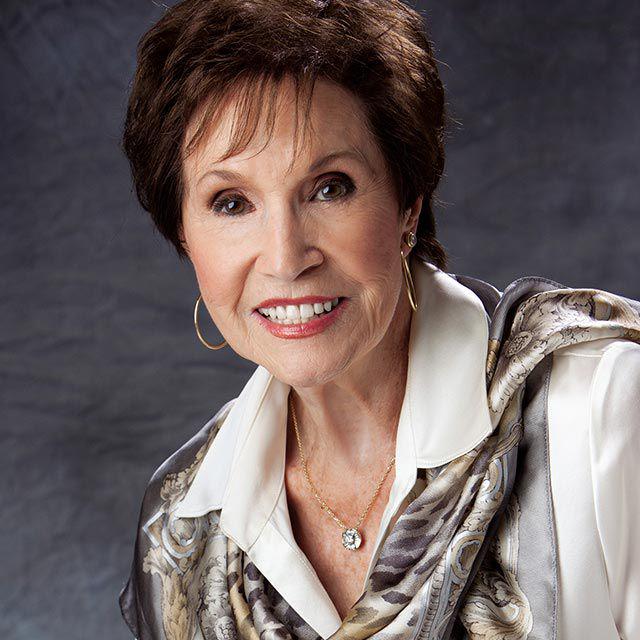
Jan Howard

Country
Contemporary Country
Christian Music
 Viberate Rank: 212521
 Viberate Rank: 212521
 Monthly ListenersFollowers
 Subscribers
 Followers
 Followers
 FansTop Spotify Songs
| Track | 7-Day Streams | |
|---|---|---|
1 | 4.36K | |
2 | 3.11K | |
3 | 2.00K | |
4 | 1.47K | |
5 | 822 |
Top YouTube VideosMonthly ListenersFeatured in Playlists| Playlist | Followers | |
|---|---|---|
1 | Classic Country Carter Santos | 28.55K |
2 |  God & Country Music Braden Smith | 15.50K |
3 |  50s & 60s Country Hits Logan McClure | 8.94K |
4 | Charlie Pride rmiddel450 | 7.78K |
5 |  Veterans playlist Jtrooper | 7.66K |
Audience| City | Monthly Listeners | |
|---|---|---|
1 |  | 77 |
2 | | 64 |
3 |  | 58 |
4 | | 53 |
5 | | 46 |
See full performance history, audience data, playlist activity, rankings, comparisons, and more in Viberate music analytics. Start with a free trial, then continue with a paid plan.
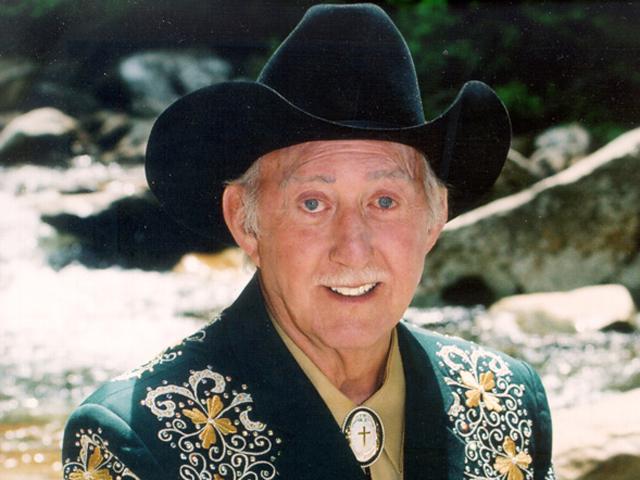
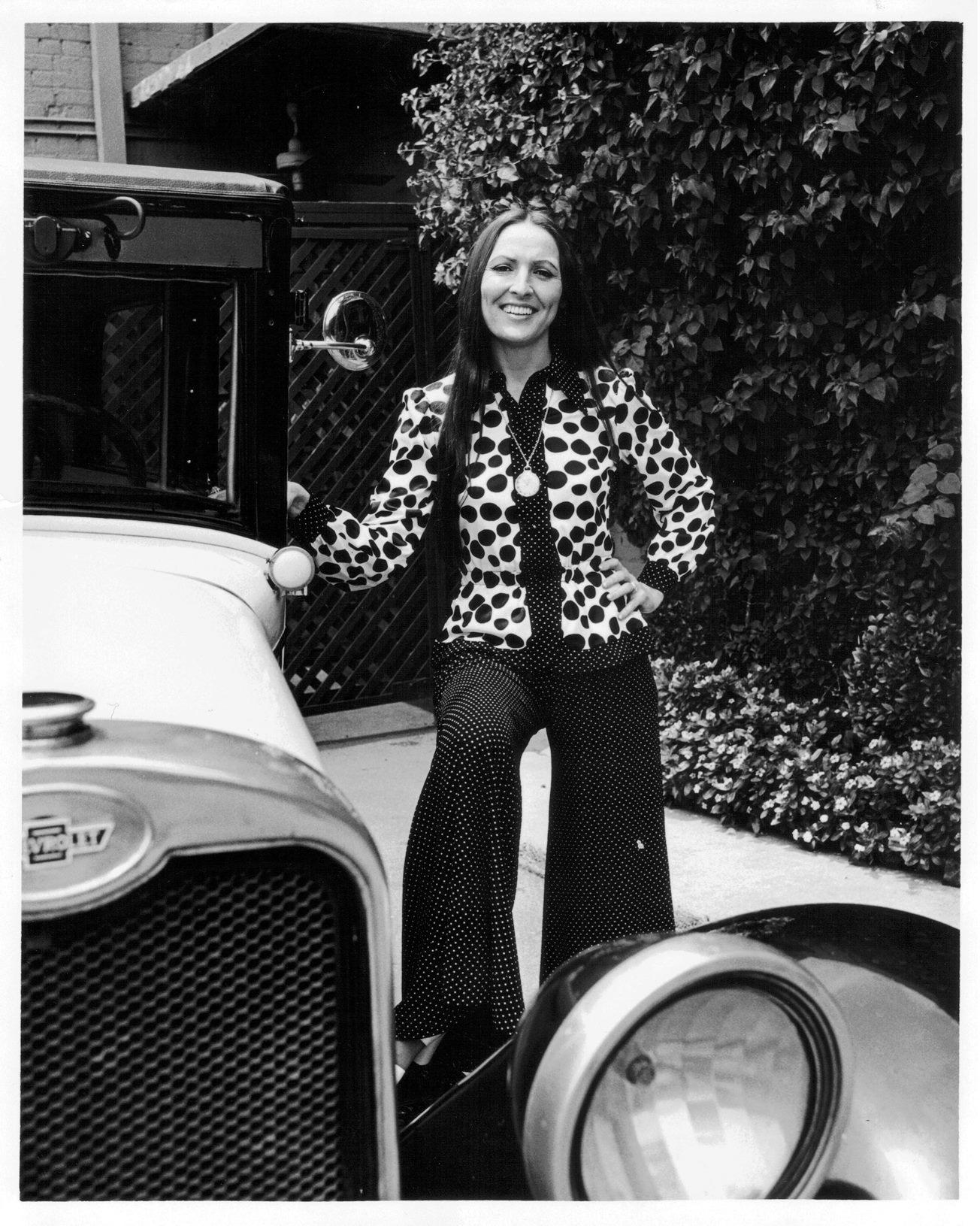
Jan Howard’s Spotify BioDuring the '60s, Jan Howard was one of the hottest female vocalists in country music. Born Lula Grace Johnson in West Plains, Missouri, she moved to L.A. in 1953 and became involved with songwriter Harlan Howard, whom she married a month after they first met. Howard helped her break into country music, sending her demos to various companies. As a result she began singing for Tex Ritter and Johnny Bond. In 1959, using the pseudonym "Jan Howard," she recorded "Yankee Go Home."
In 1960, the Howards went to Nashville; there, Jan appeared on the Prince Albert Show segment of the Grand Ole Opry. Later that year, the Howards moved to Nashville permanently, where Jan's successful duet with Wynn Stewart resulted in her first solo single, "The One You Slip Around With," which made the Top 15; her next song, another duet with Stewart, reached the Top 30. In 1962, she charted with "I Wish I Was a Single Girl Again" and issued an eponymous album. Although she didn't do well on the charts, she… continued to tour extensively.
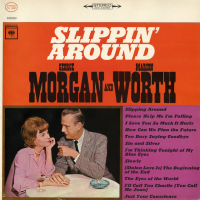
Two years later her career finally caught fire. Her songs of the period reflected her troubled marriage; in 1965, she reached the Top 30 with "What Makes a Man Wander?" Later that year, Howard joined Bill Anderson's touring and television shows. In 1966, she and Anderson scored two hits with "I Know You're Married (But I Love You Still)" and "Time Out." She then scored a Top Five hit with her solo "Evil on Your Mind. " Her next hit was "Bad Seed," and toward the end of the year, she had her only number one hit with "For Loving You," a duet with Anderson.
In October 1968, Howard dreamed that her eldest son had been killed in Vietnam, which turned out to be true; shortly thereafter, she released the Top 15 single "My Son." In 1971, she became a member of the Grand Ole Opry; two years later, her youngest son committed suicide. She joined the Johnny Cash Show and in 1977 had three minor hits, including "To Love a Rolling Stone." In 1979, she and Tammy Wynette embarked on a tour of the U.S. and Great Britain. Howard released the album Tainted Love in 1984, followed by Life of a Country Girl Singer in 1987. The same year, she published her best-selling autobiography Sunshine and Shadow. Howard remarried in 1990 and continued to appear on the Opry. She died on March 28, 2020 at her home in Gallatin, Tennessee at the age of 91. ~ Sandra Brennan, Rovi
Viberate is a music analytics platform built for A&Rs, artist managers, labels, booking agents, marketers, and artists.
It helps music professionals track artist growth, analyze audience data, monitor playlist activity, compare artists, follow song performance, and identify opportunities across the music market.
Public artist pages provide a free preview of selected artist data. Paid plans provide access to deeper analytics, historical data, charts, comparisons, playlist tools, exports, alerts, reports, and additional professional features.
Yes. Public Viberate artist pages provide selected artist analytics and music data for free.
Viberate also offers a 7-day free trial of the full platform. A credit card is required to start the trial. The trial includes access to the complete product so users can test deeper artist analytics, historical views, playlist insights, comparisons, charts, exports, alerts, and reporting features before choosing a paid plan.
Viberate provides artist analytics across streaming, playlists, social media, video, radio airplay, songs, and audience markets.
Users can analyze Spotify performance, Spotify and Apple Music playlists, YouTube activity, TikTok and Instagram growth, radio spins, song performance, audience locations, demographics, rankings, and overall artist momentum.
Artist profiles also connect to music charts, similar artists, and comparison tools, helping users benchmark performance and evaluate artists in context.
Viberate updates key artist and track data daily.
For followed artists and tracks, selected data is refreshed multiple times per day. This helps teams monitor playlist changes, streaming movement, audience growth, releases, and campaign performance with more current data.
Update frequency can vary depending on the metric and data source.
Yes. Viberate lets users compare up to five artists side by side across streaming, social media, audience, and engagement metrics.
Users can compare fanbase growth, audience demographics, locations, Spotify performance, social metrics, and other artist data over selected time periods.
Artist comparison can be used for A&R scouting, benchmarking, booking decisions, campaign planning, and evaluating artists with similar audiences or market positions.