Freddie Hart

Religious
Christian Music
Rockabilly
 Viberate Rank: 182012
 Viberate Rank: 182012
 Monthly ListenersFollowers
 Subscribers
 Followers
 Followers
 FansTop Spotify Songs
| Track | 7-Day Streams | |
|---|---|---|
1 | 2.54K | |
2 | 1.92K | |
3 | 668 | |
4 | 637 | |
5 | 606 |
Top YouTube VideosMonthly ListenersFeatured in Playlists| Playlist | Followers | |
|---|---|---|
1 | Silicon Valley -Music from the HBO Series Herb | 37.94K |
2 | Rock'n'Roll ninasellgren | 26.24K |
3 |  God & Country Music Braden Smith | 15.50K |
4 |  Rockabilly Peter Karlsson | 13.32K |
5 | Rock-A-Billy Steve McGovern | 10.61K |
Audience| City | Monthly Listeners | |
|---|---|---|
1 | | 211 |
2 |  | 175 |
3 | | 161 |
4 | | 155 |
5 |  | 143 |
See full performance history, audience data, playlist activity, rankings, comparisons, and more in Viberate music analytics. Start with a free trial, then continue with a paid plan.
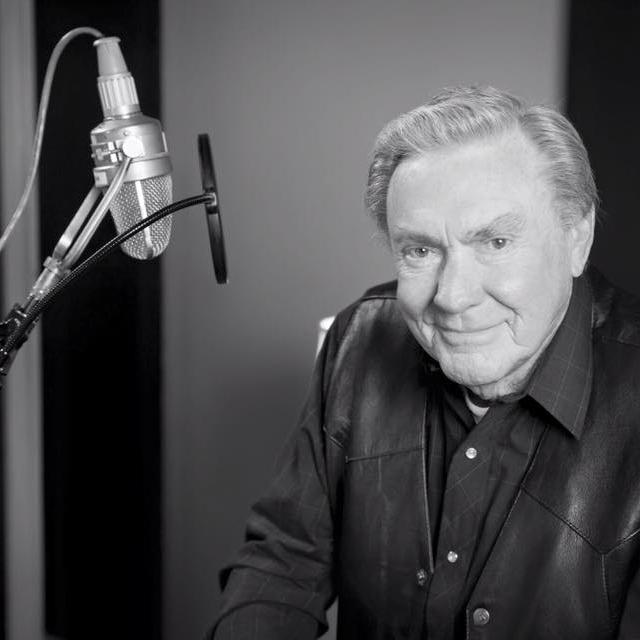
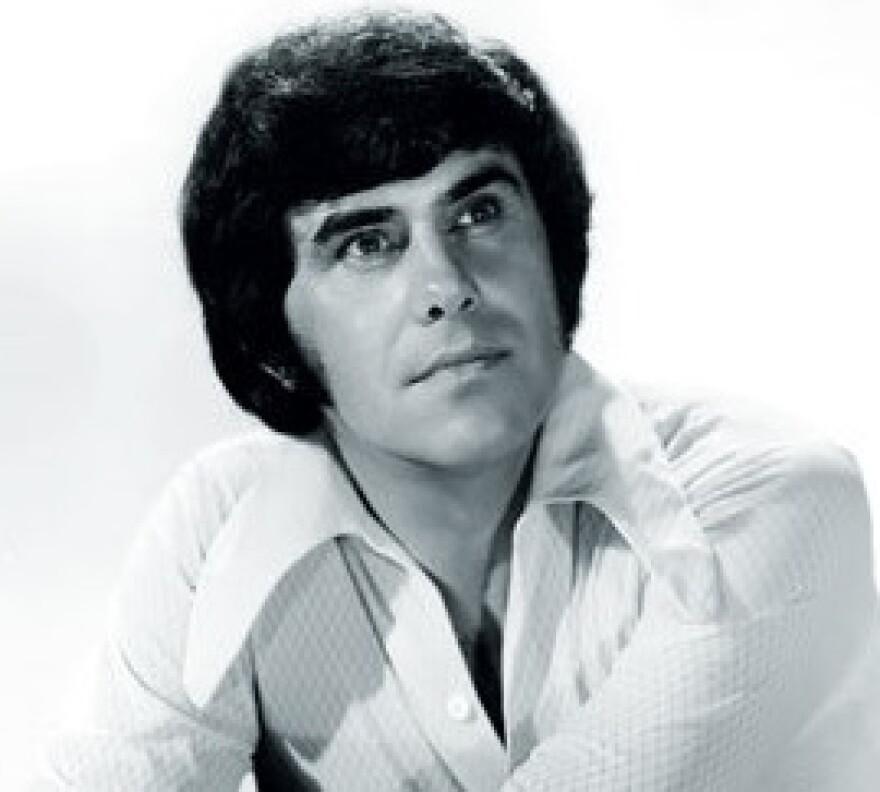
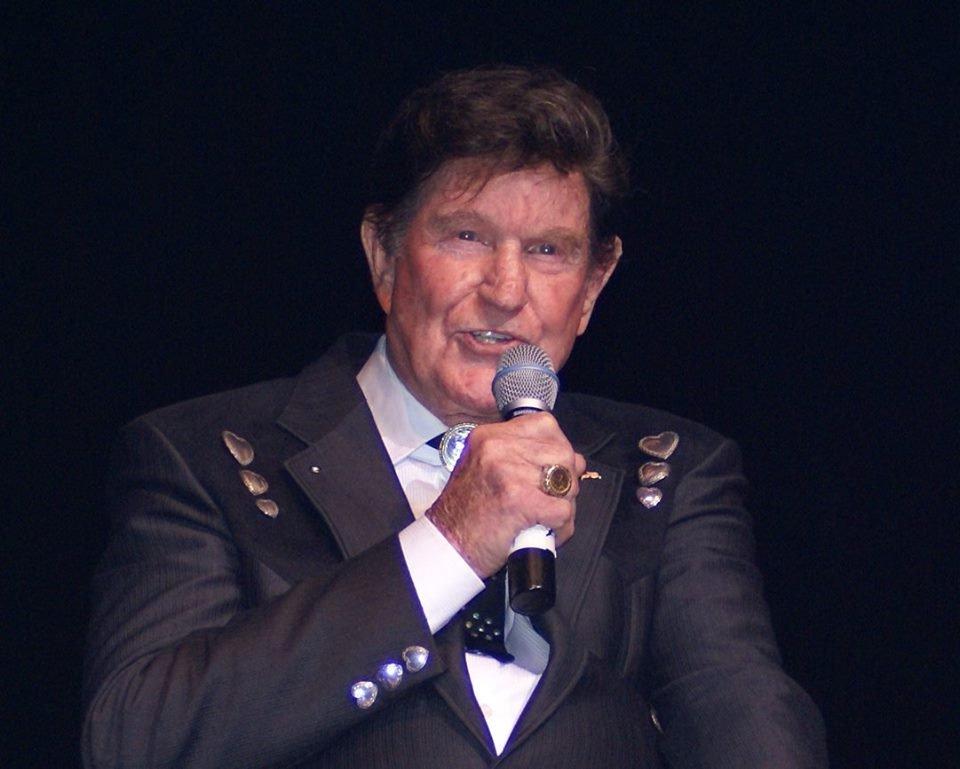
Freddie Hart’s Spotify BioCountry music is full of rags-to-riches stories, but few took longer to unfold than Freddie Hart's -- his chart-topping hit "Easy Loving" arrived nearly 20 years into his recording career.
Hart was born Fred Segrest on December 21, 1926, in Loachapoka, Alabama. He was one of 15 children from a poor sharecropper's family that struggled to provide enough food for its members, but shared a love of music and the Grand Ole Opry.
Hart began playing guitar at the age of five, and joined the Civilian Conservation Corps at 12. He falsified his age to enlist in the Marines at the age of 14 and fought in the Pacific during World War II. He earned black belts in jujitsu and judo, and made his first public appearances singing at officers clubs.
After leaving the military, he decided to pursue country music as a career and adopted the stage name Freddie Hart. Wayne Raney and Lefty Frizzell helped him place his first songs and sign with Capitol Records in 1953. At his second Capitol session, he recorded… an original song titled "Loose Talk" that Carl Smith covered and took to number one. Hart moved to Columbia Records in 1956 and appeared regularly on the Town Hall Party television program with Frizzell, Tex Ritter, Johnny Bond, and other country stars.
Despite the exposure, Hart's recordings weren't selling very well at this stage, but his songs continued to be recorded by other artists. He finally began charting moderate hits in the late '50s and early '60s with songs such as "The Wall," "Chain Gang," and "The Key's in the Mailbox." He moved from label to label in the '60s and in 1970 he returned to Capitol Records. His first hits for the label were again minor at best, and Capitol dropped him from their roster. Then, in 1971, a DJ began playing "Easy Loving" from the album of the same name, and it climbed to number one, winning the Country Music Association Song of the Year award and crossing over to the pop Top 40.
Hart followed up "Easy Loving" with an incredible string of hip, sexy love songs that raced to the highest rungs of the country chart. He was able to sustain the momentum well into the '70s, and rounded out the decade as one of its Top 20 country hitmakers. When Hart's chart performance declined toward the end of the '70s, he left Capitol for Sunbird and made several moderate hits. His final hit came in 1987, but he continued to perform into the 21st century, recording gospel albums and making personal appearances in various locations including Branson, Missouri. Outside of music, Hart owned a trucking company and operated a school for children with disabilities, but country fans will always remember him for his phenomenal run of sweet and sexy country hits in the early and mid-'70s. He died in 2018 at the age of 91. ~ Greg Adams, Rovi
Viberate is a music analytics platform built for A&Rs, artist managers, labels, booking agents, marketers, and artists.
It helps music professionals track artist growth, analyze audience data, monitor playlist activity, compare artists, follow song performance, and identify opportunities across the music market.
Public artist pages provide a free preview of selected artist data. Paid plans provide access to deeper analytics, historical data, charts, comparisons, playlist tools, exports, alerts, reports, and additional professional features.
Yes. Public Viberate artist pages provide selected artist analytics and music data for free.
Viberate also offers a 7-day free trial of the full platform. A credit card is required to start the trial. The trial includes access to the complete product so users can test deeper artist analytics, historical views, playlist insights, comparisons, charts, exports, alerts, and reporting features before choosing a paid plan.
Viberate provides artist analytics across streaming, playlists, social media, video, radio airplay, songs, and audience markets.
Users can analyze Spotify performance, Spotify and Apple Music playlists, YouTube activity, TikTok and Instagram growth, radio spins, song performance, audience locations, demographics, rankings, and overall artist momentum.
Artist profiles also connect to music charts, similar artists, and comparison tools, helping users benchmark performance and evaluate artists in context.
Viberate updates key artist and track data daily.
For followed artists and tracks, selected data is refreshed multiple times per day. This helps teams monitor playlist changes, streaming movement, audience growth, releases, and campaign performance with more current data.
Update frequency can vary depending on the metric and data source.
Yes. Viberate lets users compare up to five artists side by side across streaming, social media, audience, and engagement metrics.
Users can compare fanbase growth, audience demographics, locations, Spotify performance, social metrics, and other artist data over selected time periods.
Artist comparison can be used for A&R scouting, benchmarking, booking decisions, campaign planning, and evaluating artists with similar audiences or market positions.