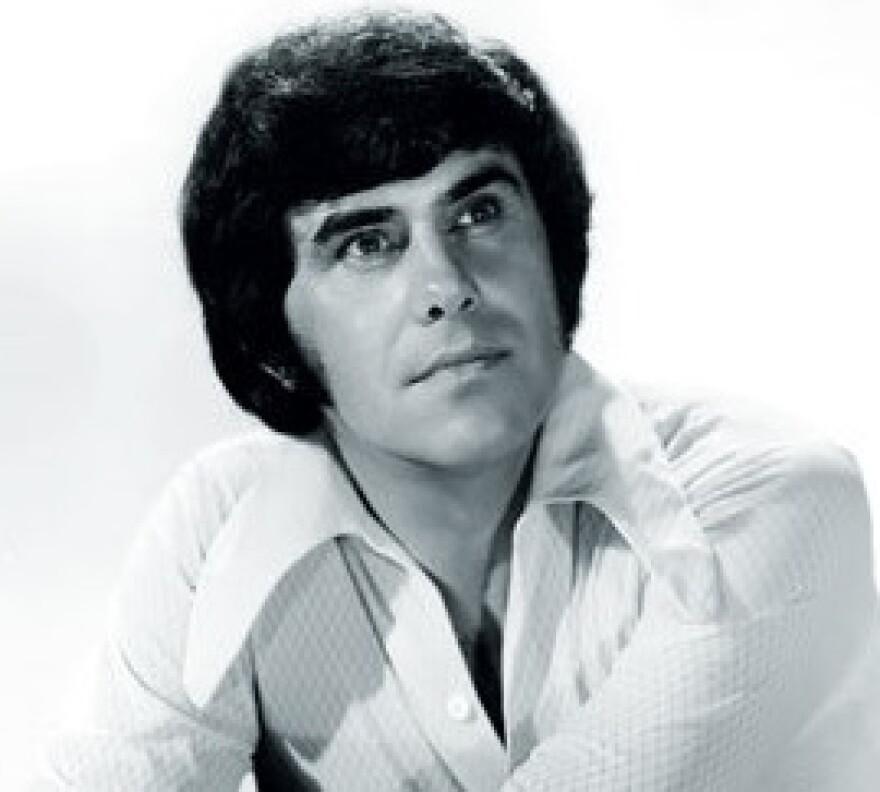
MEL STREET

Country
Contemporary Country
 Viberate Rank: 160399
 Viberate Rank: 160399
 Monthly ListenersFollowers
 Subscribers
 Followers
 Followers
 FansTop Spotify Songs
| Track | 7-Day Streams | |
|---|---|---|
1 | 7.62K | |
2 | 7.59K | |
3 | 4.02K | |
4 | 3.59K | |
5 | 1.35K |
Top YouTube VideosMonthly ListenersFeatured in Playlists| Playlist | Followers | |
|---|---|---|
1 |  Old Country Classics Glenn Asbjørn B. Ovedal | 34.48K |
2 | Classic Country Carter Santos | 28.55K |
3 |  COUNTRY MUSIC KING 2026 Country music king | 19.04K |
4 |  Steel Guitar Country Roberto Trevizan | 8.49K |
5 |  Smittys Country Gold Smitty | 8.16K |
Audience| City | Monthly Listeners | |
|---|---|---|
1 | | 978 |
2 | | 660 |
3 | | 565 |
4 | | 508 |
5 | | 387 |
See full performance history, audience data, playlist activity, rankings, comparisons, and more in Viberate music analytics. Start with a free trial, then continue with a paid plan.
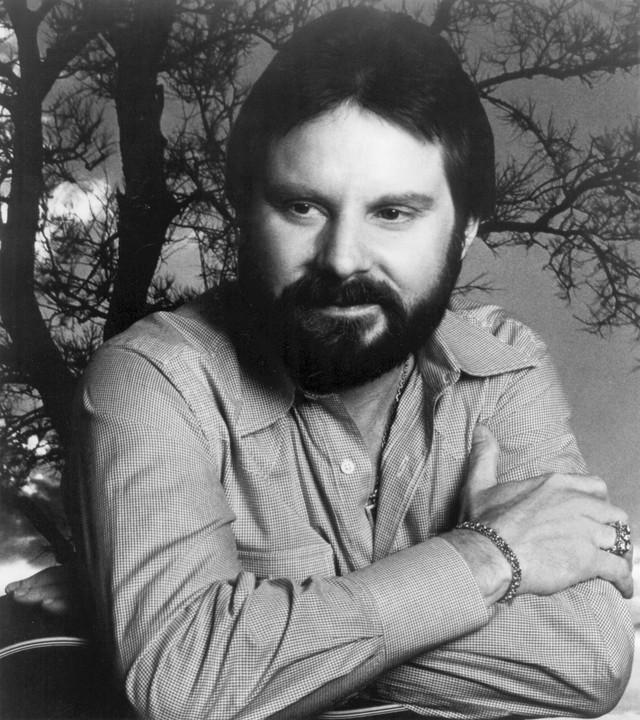
MEL STREET’s Spotify BioBefore his career ended in tragedy, Mel Street was a talented hard country singer whose emotional style harked back to the honky tonk of yesteryear. He was born King Malachi Street in Grundy,VA; most sources list his birth date as 1933, but his family claims 1935. The son of a coal miner, Street first performed publicly on a radio show at age 16. He married, had a family, and moved around Ohio for a few years working as an electrician on radio transmission towers. He started performing in Niagara Falls clubs in 1960 and simultaneously learned auto repair, which led to his moving back to West Virginia to open a body shop in 1963. He continued to sing, however, and eventually landed his own half-hour Saturday night show on a local TV station, which ran from 1968-1972. He released his first single, "Borrowed Angel," in 1970 on the small Tandem label, which was owned by cable TV company heads Jim and Jean Prater. It managed some airplay and was licensed for wider release by Royal American… Records, which helped it become a Top Ten nationwide hit in 1972. Street signed to Metromedia and had his first and only Top Five hit with the follow-up, "Lovin' on the Back Streets," in 1973.
Now adopting a rigorous touring schedule, Street moved to GRT Records in 1974, where he had two Top 20 hits with "You Make Me Feel More Like a Man" and "Forbidden Angel." Another Top Ten hit, "I Met a Friend of Yours Today," arrived in 1976, after which he moved over to major label Polydor. Two albums followed in 1977 and 1978, and he had two more hits with "Barbara, Don't Let Me Be the Last to Know" and "If I Had a Cheating Heart." He was rewarded with a lucrative new contract with Mercury, and stardom appeared to be just around the corner. However, Street had been battling depression and alcohol problems for some time, and as his touring schedule took more and more of a toll on his family life, he became increasingly unable to cope. On October 21, 1978 -- his birthday -- he committed suicide. He had a couple of posthumous chart singles with "Just Hangin' On" and "Tonight Let's Sleep on It Baby," but sadly, his tremendous potential was never fully tapped. ~ Steve Huey, Rovi
Viberate is a music analytics platform built for A&Rs, artist managers, labels, booking agents, marketers, and artists.
It helps music professionals track artist growth, analyze audience data, monitor playlist activity, compare artists, follow song performance, and identify opportunities across the music market.
Public artist pages provide a free preview of selected artist data. Paid plans provide access to deeper analytics, historical data, charts, comparisons, playlist tools, exports, alerts, reports, and additional professional features.
Yes. Public Viberate artist pages provide selected artist analytics and music data for free.
Viberate also offers a 7-day free trial of the full platform. A credit card is required to start the trial. The trial includes access to the complete product so users can test deeper artist analytics, historical views, playlist insights, comparisons, charts, exports, alerts, and reporting features before choosing a paid plan.
Viberate provides artist analytics across streaming, playlists, social media, video, radio airplay, songs, and audience markets.
Users can analyze Spotify performance, Spotify and Apple Music playlists, YouTube activity, TikTok and Instagram growth, radio spins, song performance, audience locations, demographics, rankings, and overall artist momentum.
Artist profiles also connect to music charts, similar artists, and comparison tools, helping users benchmark performance and evaluate artists in context.
Viberate updates key artist and track data daily.
For followed artists and tracks, selected data is refreshed multiple times per day. This helps teams monitor playlist changes, streaming movement, audience growth, releases, and campaign performance with more current data.
Update frequency can vary depending on the metric and data source.
Yes. Viberate lets users compare up to five artists side by side across streaming, social media, audience, and engagement metrics.
Users can compare fanbase growth, audience demographics, locations, Spotify performance, social metrics, and other artist data over selected time periods.
Artist comparison can be used for A&R scouting, benchmarking, booking decisions, campaign planning, and evaluating artists with similar audiences or market positions.