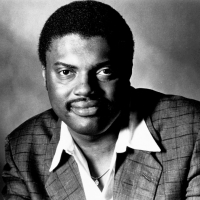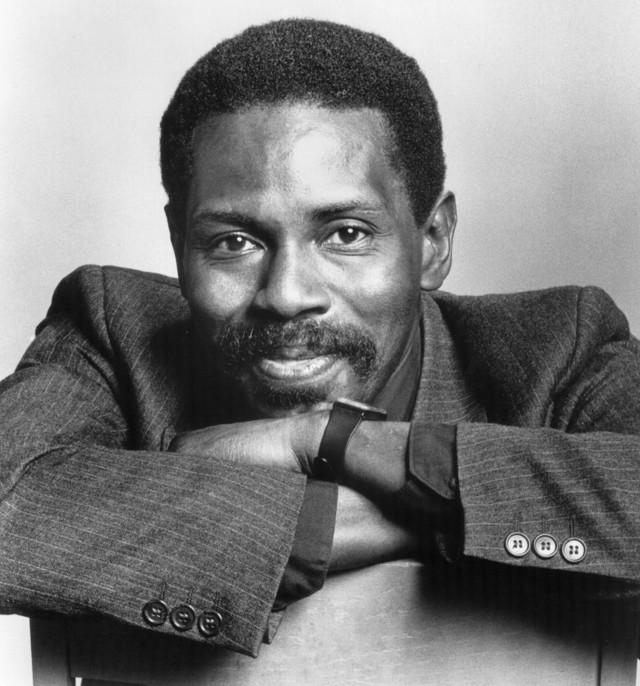
Marcus Roberts

Jazz
Free Jazz
Smooth Jazz
 Viberate Rank: 210371
 Viberate Rank: 210371
 Monthly ListenersFollowers
 Subscribers
 Followers
 Followers
 FansTop Spotify Songs
| Track | 7-Day Streams | |
|---|---|---|
1 | 13.94K | |
2 | 2.69K | |
3 | 1.78K | |
4 | 1.60K | |
5 | 1.04K |
Top YouTube VideosMonthly ListenersFeatured in Playlists| Playlist | Followers | |
|---|---|---|
1 |  Rainy Day Jazz Spotify | 288.52K |
2 | Upbeat Jazz (Instrumental) Peter Hill | 32.17K |
3 | Slow Blues The Blues Room | 28.09K |
4 |  Mellow Jazz For Late At Night NgaioMan | 21.76K |
5 | Jazz Standards Playlist tmorral22 | 19.75K |
Audience| City | Monthly Listeners | |
|---|---|---|
1 | | 663 |
2 |  | 485 |
3 | | 462 |
4 | | 394 |
5 | | 324 |
See full performance history, audience data, playlist activity, rankings, comparisons, and more in Viberate music analytics. Start with a free trial, then continue with a paid plan.
Marcus Roberts’ Spotify BioJazz pianist Marcus Roberts' focus on traditional styles and his willingness to speak sometimes disdainfully of music of more contemporary vintage has not been well accepted in some circles, and for a time he began to engender the type of attacks more often reserved for Wynton Marsalis and others regarded as reactionaries by some members of the jazz press. But Roberts must be credited with going his own way; unlike many of today's jazz pianists, he has little if any ties to McCoy Tyner, Ahmad Jamal, or Bill Evans. He has some Thelonious Monk influence, especially in his phrasing, but Roberts' models have predominantly been Jelly Roll Morton and Fats Waller. While his earliest work reflected pronounced gospel and blues ties, mixed with bebop, Roberts later devoted himself to stride and ragtime, a tactical decision wide open to intense scrutiny and second-guessing.
Roberts studied piano at Florida State University after beginning on the instrument in his youth. He won several competitions… in the mid-'80s, then joined Wynton Marsalis' band as his first regular pianist after Kenny Kirkland. Roberts emerged as the Marsalis band's second prime soloist, and the hub of its rhythm section. His swing kept the group focused, and prevented Marsalis' music from getting too stiff or introspective. Roberts' own late-'80s and '90s albums for RCA/Novus, particularly the 1990 release Alone with Three Giants, detailed his commitment to classic music. He continued to explore the past even upon the arrival of the 21st century, with such albums as 2001's Cole After Midnight (a Marcus Roberts Trio concept album featuring interpretations of Nat King Cole and Cole Porter) and 2009's New Orleans Meets Harlem, Vol. 1 (another trio date, this time focusing on the music of Duke Ellington and Scott Joplin as well as Monk, Morton, and Waller), his first album as a leader in eight years. The holiday-themed Celebrating Christmas followed in 2011. While he has received considerable acclaim for his interpretive skills with historic material, whether Marcus Roberts should be considered a dedicated preservationist or unrepentant nostalgia buff still remains open to debate. ~ Ron Wynn, Rovi
Viberate is a music analytics platform built for A&Rs, artist managers, labels, booking agents, marketers, and artists.
It helps music professionals track artist growth, analyze audience data, monitor playlist activity, compare artists, follow song performance, and identify opportunities across the music market.
Public artist pages provide a free preview of selected artist data. Paid plans provide access to deeper analytics, historical data, charts, comparisons, playlist tools, exports, alerts, reports, and additional professional features.
Yes. Public Viberate artist pages provide selected artist analytics and music data for free.
Viberate also offers a 7-day free trial of the full platform. A credit card is required to start the trial. The trial includes access to the complete product so users can test deeper artist analytics, historical views, playlist insights, comparisons, charts, exports, alerts, and reporting features before choosing a paid plan.
Viberate provides artist analytics across streaming, playlists, social media, video, radio airplay, songs, and audience markets.
Users can analyze Spotify performance, Spotify and Apple Music playlists, YouTube activity, TikTok and Instagram growth, radio spins, song performance, audience locations, demographics, rankings, and overall artist momentum.
Artist profiles also connect to music charts, similar artists, and comparison tools, helping users benchmark performance and evaluate artists in context.
Viberate updates key artist and track data daily.
For followed artists and tracks, selected data is refreshed multiple times per day. This helps teams monitor playlist changes, streaming movement, audience growth, releases, and campaign performance with more current data.
Update frequency can vary depending on the metric and data source.
Yes. Viberate lets users compare up to five artists side by side across streaming, social media, audience, and engagement metrics.
Users can compare fanbase growth, audience demographics, locations, Spotify performance, social metrics, and other artist data over selected time periods.
Artist comparison can be used for A&R scouting, benchmarking, booking decisions, campaign planning, and evaluating artists with similar audiences or market positions.