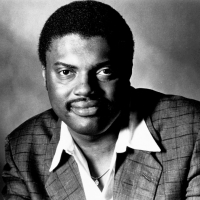
George Mraz

Jazz
Jazz Fusion
Smooth Jazz
 Viberate Rank: 240117
 Viberate Rank: 240117
 Monthly ListenersFollowers
 Subscribers
 Followers
 Followers
 FansTop Spotify Songs
| Track | 7-Day Streams | |
|---|---|---|
1 | 4.24K | |
2 | 2.61K | |
3 | 1.17K | |
4 | 814 | |
5 | 734 |
Top YouTube Videos| Video | 7-Day Views | |
|---|---|---|
1 | 1 |
Monthly ListenersFeatured in Playlists| Playlist | Followers | |
|---|---|---|
1 |  JAZZ BOP(S) Emi | 37.91K |
2 | Best Saxophone Jazz mattiasdahlkvist | 35.37K |
3 |  🪐Floating Points Turntable🪐 Floating Points | 35.36K |
4 |  Mellow Jazz For Late At Night NgaioMan | 21.76K |
5 | Jazz Standards Playlist tmorral22 | 19.75K |
Audience| City | Monthly Listeners | |
|---|---|---|
1 | | 215 |
2 |  | 194 |
3 | | 154 |
4 | | 145 |
5 |  | 141 |
See full performance history, audience data, playlist activity, rankings, comparisons, and more in Viberate music analytics. Start with a free trial, then continue with a paid plan.
George Mraz’s Spotify BioGeorge Mraz was a greatly in-demand bassist for straight-ahead dates after he emigrated to the United States in 1968. After a brief time playing violin and alto, Mraz studied bass at the Prague Conservatory and gigged at a club in Munich for a year. In 1968, he attended Berklee and he soon toured with Oscar Peterson, from 1970 to 1972. After moving to New York, Mraz became a member of the Thad Jones/Mel Lewis Orchestra (1973 to 1976), worked with Stan Getz (1974 and 1975), and went on to work with most of the top jazz players, including Walter Norris, Pepper Adams, Roland Hanna, Zoot Sims, Tommy Flanagan, John Abercrombie, Carmen McRae, Jimmy Rowles, Stephane Grappelli, and countless others. With the exception of an obscure duo date with Roland Hanna for Trio in 1976, Mraz surprisingly did not have an opportunity to lead his own sessions until the mid-'90s when he signed with Milestone. His album roster included Jazz (1995), Bottom Lines (1997), Duke's Place (1999), and Morava (2001).… George Mraz died on September 16, 2021 at the age of 77. ~ Scott Yanow, Rovi
Viberate is a music analytics platform built for A&Rs, artist managers, labels, booking agents, marketers, and artists.
It helps music professionals track artist growth, analyze audience data, monitor playlist activity, compare artists, follow song performance, and identify opportunities across the music market.
Public artist pages provide a free preview of selected artist data. Paid plans provide access to deeper analytics, historical data, charts, comparisons, playlist tools, exports, alerts, reports, and additional professional features.
Yes. Public Viberate artist pages provide selected artist analytics and music data for free.
Viberate also offers a 7-day free trial of the full platform. A credit card is required to start the trial. The trial includes access to the complete product so users can test deeper artist analytics, historical views, playlist insights, comparisons, charts, exports, alerts, and reporting features before choosing a paid plan.
Viberate provides artist analytics across streaming, playlists, social media, video, radio airplay, songs, and audience markets.
Users can analyze Spotify performance, Spotify and Apple Music playlists, YouTube activity, TikTok and Instagram growth, radio spins, song performance, audience locations, demographics, rankings, and overall artist momentum.
Artist profiles also connect to music charts, similar artists, and comparison tools, helping users benchmark performance and evaluate artists in context.
Viberate updates key artist and track data daily.
For followed artists and tracks, selected data is refreshed multiple times per day. This helps teams monitor playlist changes, streaming movement, audience growth, releases, and campaign performance with more current data.
Update frequency can vary depending on the metric and data source.
Yes. Viberate lets users compare up to five artists side by side across streaming, social media, audience, and engagement metrics.
Users can compare fanbase growth, audience demographics, locations, Spotify performance, social metrics, and other artist data over selected time periods.
Artist comparison can be used for A&R scouting, benchmarking, booking decisions, campaign planning, and evaluating artists with similar audiences or market positions.