Herlin Riley

Jazz
Jazz Fusion
Smooth Jazz
 Viberate Rank: 239612
 Viberate Rank: 239612
 Monthly ListenersFollowers
 Subscribers
 Followers
 Followers
 FansTop Spotify Songs
| Track | 7-Day Streams | |
|---|---|---|
1 | 13.94K | |
2 | 1.14K | |
3 | 1.02K | |
4 | 743 | |
5 | 657 |
Top YouTube VideosMonthly ListenersFeatured in Playlists| Playlist | Followers | |
|---|---|---|
1 |  Rainy Day Jazz Spotify | 288.52K |
2 |  爵士小酒館 Digster Taiwan | 32.76K |
3 |  Ben Watt's SpinCycle Ben Watt | 23.17K |
4 |  Mellow Jazz For Late At Night NgaioMan | 21.76K |
5 |  This Is Wynton Marsalis Spotify | 17.04K |
Audience| City | Monthly Listeners | |
|---|---|---|
1 | | 502 |
2 |  | 390 |
3 | | 375 |
4 | | 306 |
5 | | 273 |
See full performance history, audience data, playlist activity, rankings, comparisons, and more in Viberate music analytics. Start with a free trial, then continue with a paid plan.
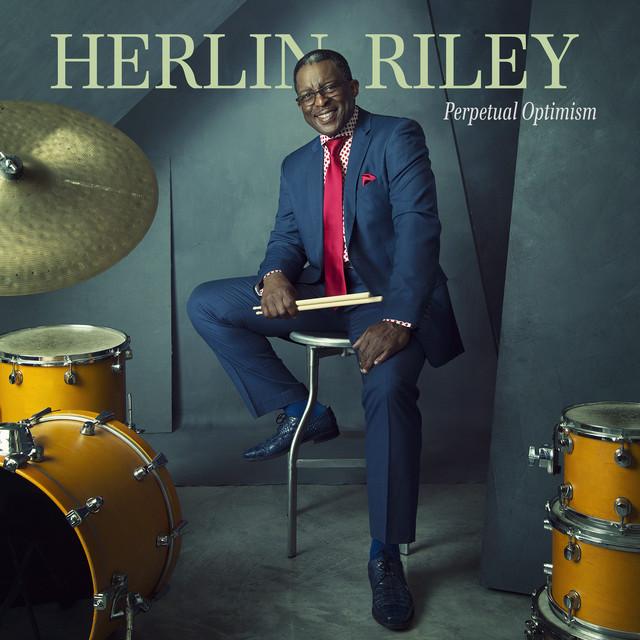
Herlin Riley’s Spotify BioBlessed with an unerring sense for propulsive post-bop, as well as the bouncy second-line traditions of his native New Orleans, drummer Herlin Riley is the epitome of the swinging modern jazz drummer. Riley initially rose to prominence in the 1980s as a member of trumpeter Wynton Marsalis' ensembles and the Jazz at Lincoln Center Orchestra. Along with Grammy-nominated small group dates like 1988's Majesty of the Blues, he also drew praise for his work on 1997's Blood on the Fields. In the 2000s, Riley led his own groups, issuing albums like 2005's Cream of the Crescent and 2016's New Direction.
Born in 1957 in New Orleans, Louisiana, Riley grew up in a musical family and first began playing the drums at age three. Despite his early affinity for percussion, Riley focused primarily on trumpet throughout high school, eventually returning to drums full-time during his junior year of college. After college, Riley joined pianist Ahmad Jamal's band from 1984 to 1987. Also in the '80s, he found… work performing with a bevy of name artists including Harry Connick, Jr., Marcus Roberts, George Benson, and others.
Since 1988, Riley has been a regular member of trumpeter Wynton Marsalis' ensembles, appearing on such albums as 1988's Majesty of the Blues, 1990's Standard Time, Vol. 2: Intimacy Calling, 1991's Blue Interlude, 1992's Citi Movement, and 1993's In This House, On This Morning. Along with Marsalis, Riley was a longtime member of the Jazz at Lincoln Center Orchestra, appearing regularly in concert, and on such albums as 1997's Pulitzer Prize-winning Blood on the Fields.
In 2000, Riley made his solo debut with Watch What You're Doing, followed in 2005 by Cream of the Crescent with fellow JLCO-members Marsalis, trombonist Wycliffe Gordon, and saxophonist Victor Goines. During this time, he also appeared on such albums as Cassandra Wilson's Silver Pony in 2010, Cecile McLorin Salvant's WomanChild in 2013, and Craig Handy's Craig Handy & 2nd Line Smith in 2014.
In 2016, he released his third solo effort, New Direction, on Mack Avenue Records. Underlining Riley's vast stylistic experience, New Direction showcased his love of Afro-Cuban and Latin Rhythms, post-bop, and historic New Orleans jazz traditions. Perpetual Optimism arrived in 2019 and featured the drummer's group with trumpeter Bruce Harris, altoist Godwin Louis, pianist Emmet Cohen, and bassist Russell Hall. ~ Matt Collar, Rovi
Viberate is a music analytics platform built for A&Rs, artist managers, labels, booking agents, marketers, and artists.
It helps music professionals track artist growth, analyze audience data, monitor playlist activity, compare artists, follow song performance, and identify opportunities across the music market.
Public artist pages provide a free preview of selected artist data. Paid plans provide access to deeper analytics, historical data, charts, comparisons, playlist tools, exports, alerts, reports, and additional professional features.
Yes. Public Viberate artist pages provide selected artist analytics and music data for free.
Viberate also offers a 7-day free trial of the full platform. A credit card is required to start the trial. The trial includes access to the complete product so users can test deeper artist analytics, historical views, playlist insights, comparisons, charts, exports, alerts, and reporting features before choosing a paid plan.
Viberate provides artist analytics across streaming, playlists, social media, video, radio airplay, songs, and audience markets.
Users can analyze Spotify performance, Spotify and Apple Music playlists, YouTube activity, TikTok and Instagram growth, radio spins, song performance, audience locations, demographics, rankings, and overall artist momentum.
Artist profiles also connect to music charts, similar artists, and comparison tools, helping users benchmark performance and evaluate artists in context.
Viberate updates key artist and track data daily.
For followed artists and tracks, selected data is refreshed multiple times per day. This helps teams monitor playlist changes, streaming movement, audience growth, releases, and campaign performance with more current data.
Update frequency can vary depending on the metric and data source.
Yes. Viberate lets users compare up to five artists side by side across streaming, social media, audience, and engagement metrics.
Users can compare fanbase growth, audience demographics, locations, Spotify performance, social metrics, and other artist data over selected time periods.
Artist comparison can be used for A&R scouting, benchmarking, booking decisions, campaign planning, and evaluating artists with similar audiences or market positions.