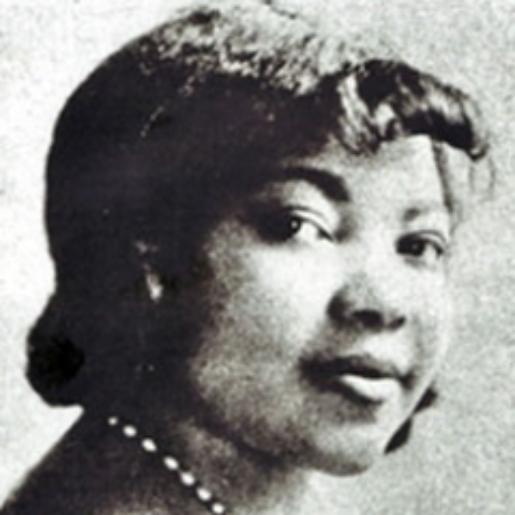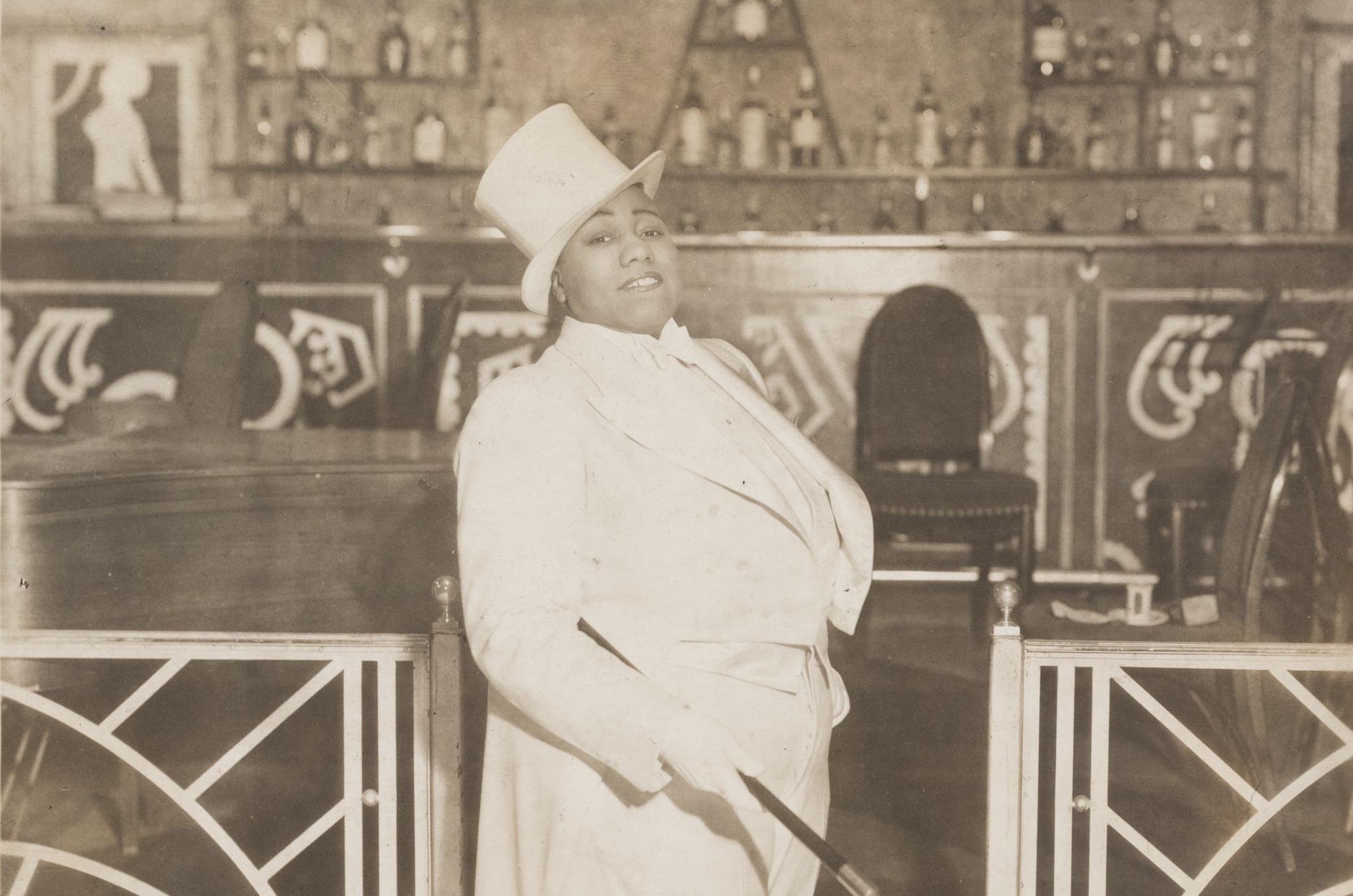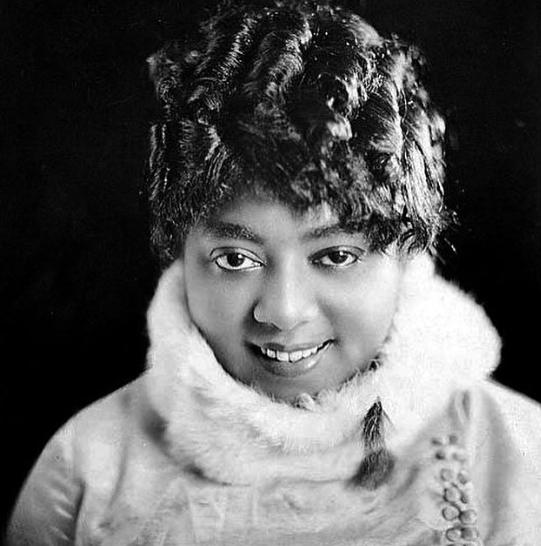
Mamie Smith

Blues
Classic Blues
 Viberate Rank: 243349
 Viberate Rank: 243349
 Monthly ListenersFollowers
 Subscribers
 Followers
 Followers
 FansTop Spotify SongsTop YouTube VideosMonthly ListenersFeatured in Playlists
| Playlist | Followers | |
|---|---|---|
1 |  1920s: The Roaring Twenties! Nathalie.L | 66.79K |
2 |  Essential Classics Essential Classics | 31.39K |
3 |  BLUES CLASSICS: 100 best songs Juan Ceñal | 19.84K |
4 | Ragtime & 20's Jazz Kayt Mathers | 13.29K |
5 |  oldies playing in another room trinity | 10.26K |
Audience| City | Monthly Listeners | |
|---|---|---|
1 |  | 296 |
2 |  | 235 |
3 |  | 157 |
4 | | 152 |
5 |  | 131 |
See full performance history, audience data, playlist activity, rankings, comparisons, and more in Viberate music analytics. Start with a free trial, then continue with a paid plan.
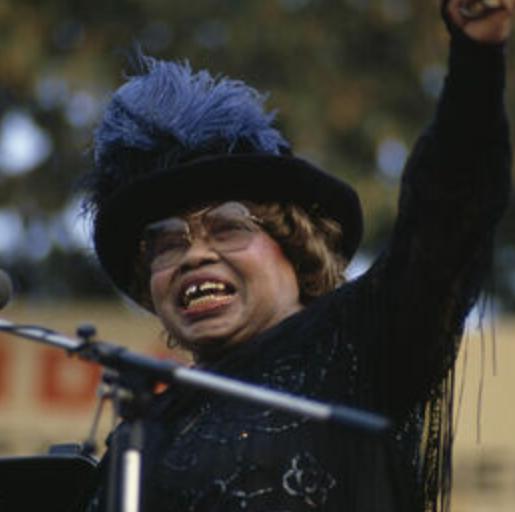
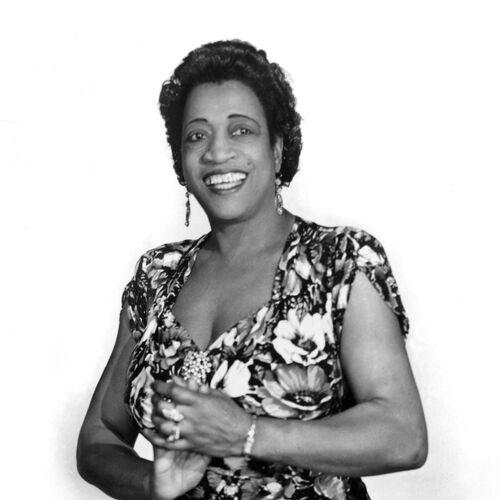
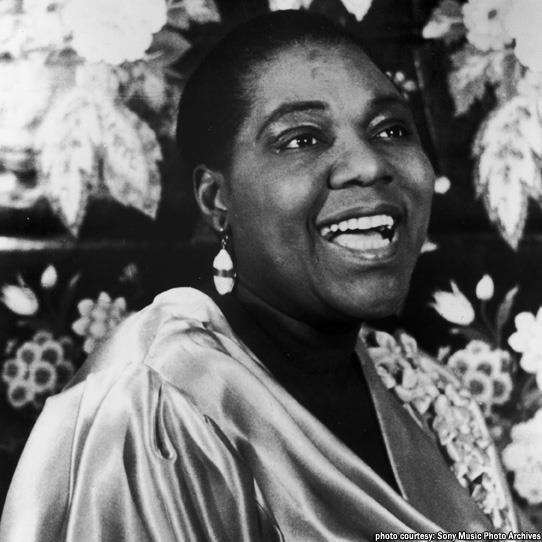
Mamie Smith’s Spotify BioThough technically not a blues performer, Mamie Smith notched her place in American music as the first black female singer to record a vocal blues. That record was "Crazy Blues" (recorded August 10, 1920), which sold a million copies in its first six months and made record labels aware of the huge potential market for "race records"; thus paving the way for Bessie Smith (no relation) and other blues and jazz performers. An entertainer who sported a powerful, penetrating, feminine voice with belting vaudeville qualities, as opposed to blues inflections, Smith toured as a dancer with Tutt-Whitney's Smart Set Company in her early teens, and sang in Harlem clubs before World War I. Apparently, Smith's pioneering recording session was an accident, since she was filling in for Sophie Tucker, but the success of the record made her wealthy.
Soon thereafter, Smith began touring and recording with a band called the Jazz Hounds, which featured such jazz notables as Coleman Hawkins, Bubber Miley, J…ohnny Dunn, and more, and she toured with the bands of Andy Kirk and Fats Pichon in the 1930s. She also appeared in several films, including Paradise in Harlem late in her life (1939). She recorded several sides for OKeh during her heyday; one unissued take of "My Sportin' Man" is included on Columbia's Roots N' Blues Retrospective 1925-1950 box set. In the 1980s, all of her recordings were reissued on LP by the imported Document label. ~ Richard S. Ginell, Rovi
Viberate is a music analytics platform built for A&Rs, artist managers, labels, booking agents, marketers, and artists.
It helps music professionals track artist growth, analyze audience data, monitor playlist activity, compare artists, follow song performance, and identify opportunities across the music market.
Public artist pages provide a free preview of selected artist data. Paid plans provide access to deeper analytics, historical data, charts, comparisons, playlist tools, exports, alerts, reports, and additional professional features.
Yes. Public Viberate artist pages provide selected artist analytics and music data for free.
Viberate also offers a 7-day free trial of the full platform. A credit card is required to start the trial. The trial includes access to the complete product so users can test deeper artist analytics, historical views, playlist insights, comparisons, charts, exports, alerts, and reporting features before choosing a paid plan.
Viberate provides artist analytics across streaming, playlists, social media, video, radio airplay, songs, and audience markets.
Users can analyze Spotify performance, Spotify and Apple Music playlists, YouTube activity, TikTok and Instagram growth, radio spins, song performance, audience locations, demographics, rankings, and overall artist momentum.
Artist profiles also connect to music charts, similar artists, and comparison tools, helping users benchmark performance and evaluate artists in context.
Viberate updates key artist and track data daily.
For followed artists and tracks, selected data is refreshed multiple times per day. This helps teams monitor playlist changes, streaming movement, audience growth, releases, and campaign performance with more current data.
Update frequency can vary depending on the metric and data source.
Yes. Viberate lets users compare up to five artists side by side across streaming, social media, audience, and engagement metrics.
Users can compare fanbase growth, audience demographics, locations, Spotify performance, social metrics, and other artist data over selected time periods.
Artist comparison can be used for A&R scouting, benchmarking, booking decisions, campaign planning, and evaluating artists with similar audiences or market positions.