Ida Cox

Jazz
Smooth Jazz
Classic Blues
 Viberate Rank: 306985
 Viberate Rank: 306985
 Monthly ListenersFollowers
 Subscribers
 Followers
 Followers
 FansTop Spotify Songs
| Track | 7-Day Streams | |
|---|---|---|
1 | 715 | |
2 | 710 | |
3 | 566 | |
4 | 474 | |
5 | 293 |
Top YouTube VideosMonthly ListenersFeatured in Playlists| Playlist | Followers | |
|---|---|---|
1 |  1920s: The Roaring Twenties! Nathalie.L | 66.79K |
2 |  BLUES CLASSICS: 100 best songs Juan Ceñal | 19.84K |
3 |  Cold Case: The Series Playlist EuconDev | 19.54K |
4 |  1930s, 1940s Pop Songs Jeff Lyons | 17.97K |
5 | jazz,funk,soul,blues,afrobeat,latin İlker Özalp | 11.48K |
Audience| City | Monthly Listeners | |
|---|---|---|
1 |  | 124 |
2 |  | 114 |
3 |  | 97 |
4 |  | 89 |
5 | | 79 |
See full performance history, audience data, playlist activity, rankings, comparisons, and more in Viberate music analytics. Start with a free trial, then continue with a paid plan.
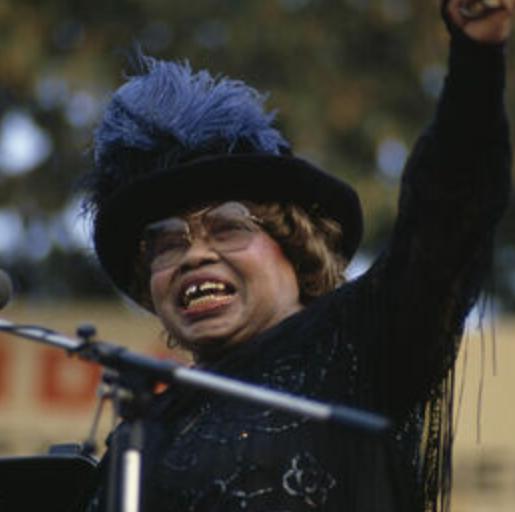
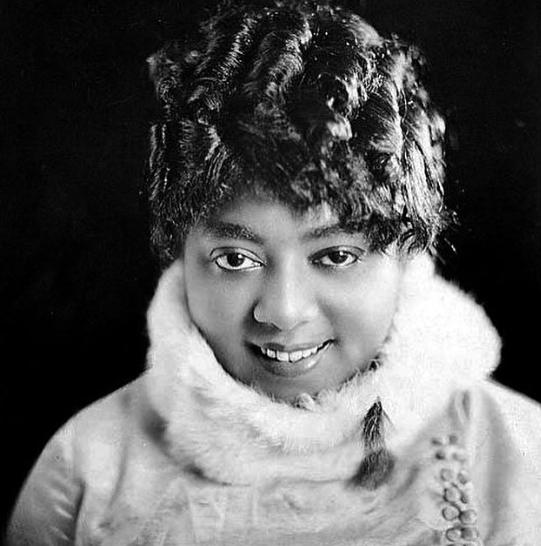
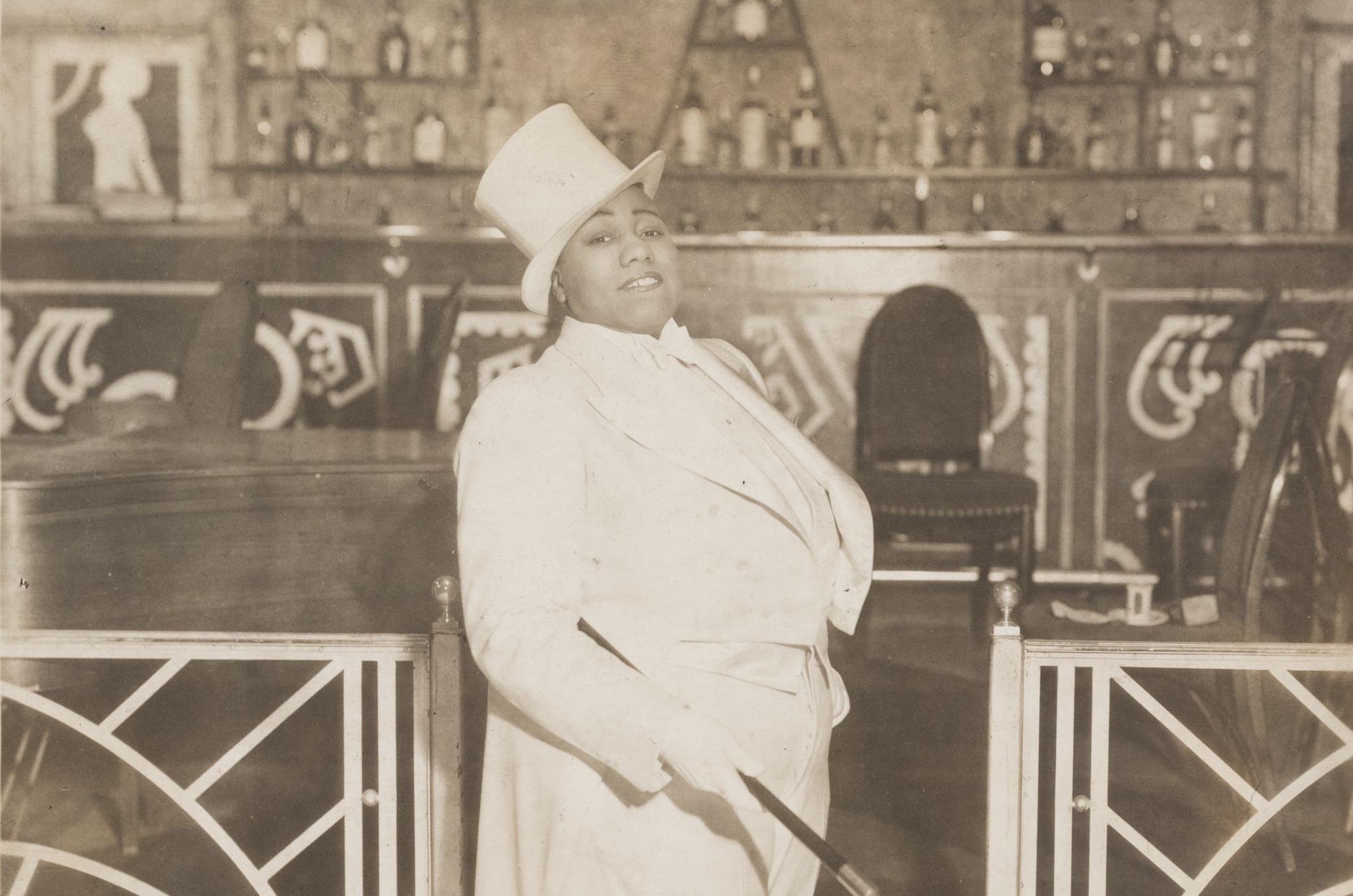
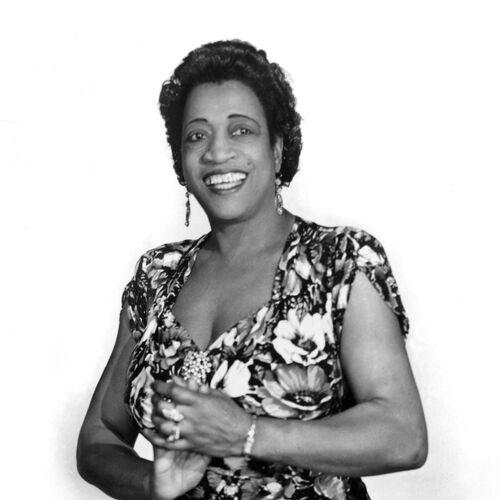
Ida Cox’s Spotify BioOne of the finest classic blues singers of the 1920s, Ida Cox was singing in theaters by the time she was 14. She recorded regularly during 1923-1929 (her "Wild Woman Don't Have the Blues" and "Death Letter Blues" are her best-known songs). Although she was off-record during much of the 1930s, Cox was able to continue working and in 1939 she sang at Cafe Society, appeared at John Hammond's Spirituals to Swing concert, and made some new records. Cox toured with shows until a 1944 stroke pushed her into retirement; she came back for an impressive final recording in 1961.
Cox left her hometown of Toccoa, GA, as a teenager, traveling the south in vaudeville and tent shows, performing both as a singer and a comedienne. In the early '20s, she performed with Jelly Roll Morton, but she had severed her ties with the pianist by the time she signed her first record contract with Paramount in 1923. Cox stayed with Paramount for six years and recorded 78 songs, which usually featured accompaniment… by Love Austin and trumpeter Tommy Ladnier. During that time, she also cut tracks for a variety of labels, including Silvertone, using several different pseudonyms, including Velma Bradley, Kate Lewis, and Julia Powers.
During the '30s, Cox didn't record often, but she continued to perform frequently, highlighted by an appearance at John Hammond's 1939 Spirituals to Swing concert at Carnegie Hall. The concert increased her visibility, particularly in jazz circles. Following the concert, she recorded with a number of jazz artists, including Charlie Christian, Lionel Hampton, Fletcher Henderson, and Hot Lips Page. She toured with a number of different shows in the early '40s until she suffered a stroke in 1944. Cox was retired for most of the '50s, but she was coaxed out of retirement in 1961 to record a final session with Coleman Hawkins. In 1967, Ida Cox died of cancer. ~ Scott Yanow & Stephen Thomas Erlewine, Rovi
Viberate is a music analytics platform built for A&Rs, artist managers, labels, booking agents, marketers, and artists.
It helps music professionals track artist growth, analyze audience data, monitor playlist activity, compare artists, follow song performance, and identify opportunities across the music market.
Public artist pages provide a free preview of selected artist data. Paid plans provide access to deeper analytics, historical data, charts, comparisons, playlist tools, exports, alerts, reports, and additional professional features.
Yes. Public Viberate artist pages provide selected artist analytics and music data for free.
Viberate also offers a 7-day free trial of the full platform. A credit card is required to start the trial. The trial includes access to the complete product so users can test deeper artist analytics, historical views, playlist insights, comparisons, charts, exports, alerts, and reporting features before choosing a paid plan.
Viberate provides artist analytics across streaming, playlists, social media, video, radio airplay, songs, and audience markets.
Users can analyze Spotify performance, Spotify and Apple Music playlists, YouTube activity, TikTok and Instagram growth, radio spins, song performance, audience locations, demographics, rankings, and overall artist momentum.
Artist profiles also connect to music charts, similar artists, and comparison tools, helping users benchmark performance and evaluate artists in context.
Viberate updates key artist and track data daily.
For followed artists and tracks, selected data is refreshed multiple times per day. This helps teams monitor playlist changes, streaming movement, audience growth, releases, and campaign performance with more current data.
Update frequency can vary depending on the metric and data source.
Yes. Viberate lets users compare up to five artists side by side across streaming, social media, audience, and engagement metrics.
Users can compare fanbase growth, audience demographics, locations, Spotify performance, social metrics, and other artist data over selected time periods.
Artist comparison can be used for A&R scouting, benchmarking, booking decisions, campaign planning, and evaluating artists with similar audiences or market positions.