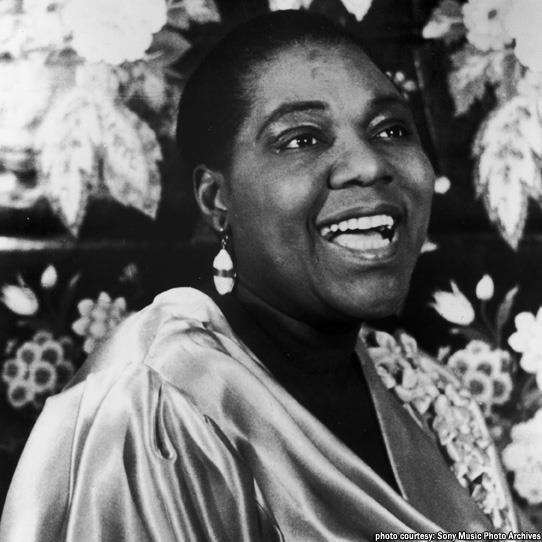
Bessie Smith

Blues
Classic Blues
Swing
 Viberate Rank: 58708
 Viberate Rank: 58708
 Monthly ListenersFollowers
 Subscribers
 Followers
 Followers
 FansTop Spotify Songs
| Track | 7-Day Streams | |
|---|---|---|
1 | 44.65K | |
2 | 22.60K | |
3 | 2.89K | |
4 | 2.48K | |
5 | 2.13K |
Top YouTube VideosMonthly ListenersFeatured in Playlists| Playlist | Followers | |
|---|---|---|
1 |  Women of Jazz Spotify | 865.68K |
2 |  This Is Nina Simone Spotify | 512.17K |
3 |  Blues Masters Filtr Legacy Sweden | 226.80K |
4 | Nina Simone Greatest Hits jliepa15 | 115.86K |
5 |  1000 Recordings to Hear Before You Die (Tom Moon): Album Index Ulysses' Classical | 94.29K |
Audience| City | Monthly Listeners | |
|---|---|---|
1 | | 1.34K |
2 |  | 1.22K |
3 | | 1.17K |
4 | | 1.03K |
5 |  | 956 |
See full performance history, audience data, playlist activity, rankings, comparisons, and more in Viberate music analytics. Start with a free trial, then continue with a paid plan.
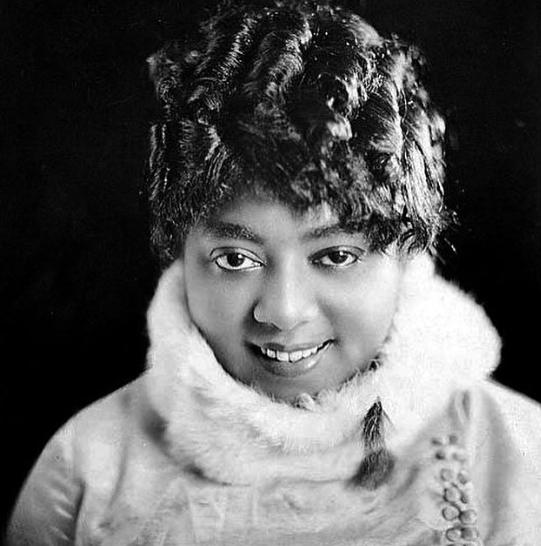
Bessie Smith’s Spotify BioThe first major blues and jazz singer on record and one of the most powerful of all time, Bessie Smith rightly earned the title of "The Empress of the Blues." Even on her first records in 1923, her passionate voice overcame the primitive recording quality of the day and still communicates easily to today's listeners (which is not true of any other singer from that early period). At a time when the blues were in and most vocalists (particularly vaudevillians) were being dubbed "blues singers," Bessie Smith simply had no competition.
Back in 1912, Bessie Smith sang in the same show as Ma Rainey, who took her under her wing and coached her. Although Rainey would achieve a measure of fame throughout her career, she was soon surpassed by her protégée. In 1920, Smith had her own show in Atlantic City and, in 1923, she moved to New York. She was soon signed by Columbia and her first recording (Alberta Hunter's "Downhearted Blues") made her famous. Bessie Smith worked and recorded steadily… throughout the decade, using many top musicians as sidemen on sessions including Louis Armstrong, Joe Smith (her favorite cornetist), James P. Johnson, and Charlie Green. Her summer tent show Harlem Frolics was a big success during 1925-1927, and Mississippi Days in 1928 kept the momentum going.
However, by 1929 the blues were out of fashion and Bessie Smith's career was declining despite being at the peak of her powers (and still only 35). She appeared in St. Louis Blues that year (a low-budget movie short that contains the only footage of her), but her hit recording of "Nobody Knows You When You're Down and Out" predicted her leaner Depression years. Although she was dropped by Columbia in 1931 and made her final recordings on a four-song session in 1933, Bessie Smith kept on working. She played the Apollo in 1935 and substituted for Billie Holiday in the show Stars Over Broadway. The chances are very good that she would have made a comeback, starting with a Carnegie Hall appearance at John Hammond's upcoming From Spirituals to Swing concert, but she was killed in a car crash in Mississippi. Columbia has reissued all of her recordings, first in five two-LP sets and more recently on five two-CD box sets that also contain her five alternate takes, the soundtrack of St. Louis Blues, and an interview with her niece Ruby Smith. "The Empress of the Blues," based on her recordings, will never have to abdicate her throne. ~ Scott Yanow, Rovi
Viberate is a music analytics platform built for A&Rs, artist managers, labels, booking agents, marketers, and artists.
It helps music professionals track artist growth, analyze audience data, monitor playlist activity, compare artists, follow song performance, and identify opportunities across the music market.
Public artist pages provide a free preview of selected artist data. Paid plans provide access to deeper analytics, historical data, charts, comparisons, playlist tools, exports, alerts, reports, and additional professional features.
Yes. Public Viberate artist pages provide selected artist analytics and music data for free.
Viberate also offers a 7-day free trial of the full platform. A credit card is required to start the trial. The trial includes access to the complete product so users can test deeper artist analytics, historical views, playlist insights, comparisons, charts, exports, alerts, and reporting features before choosing a paid plan.
Viberate provides artist analytics across streaming, playlists, social media, video, radio airplay, songs, and audience markets.
Users can analyze Spotify performance, Spotify and Apple Music playlists, YouTube activity, TikTok and Instagram growth, radio spins, song performance, audience locations, demographics, rankings, and overall artist momentum.
Artist profiles also connect to music charts, similar artists, and comparison tools, helping users benchmark performance and evaluate artists in context.
Viberate updates key artist and track data daily.
For followed artists and tracks, selected data is refreshed multiple times per day. This helps teams monitor playlist changes, streaming movement, audience growth, releases, and campaign performance with more current data.
Update frequency can vary depending on the metric and data source.
Yes. Viberate lets users compare up to five artists side by side across streaming, social media, audience, and engagement metrics.
Users can compare fanbase growth, audience demographics, locations, Spotify performance, social metrics, and other artist data over selected time periods.
Artist comparison can be used for A&R scouting, benchmarking, booking decisions, campaign planning, and evaluating artists with similar audiences or market positions.