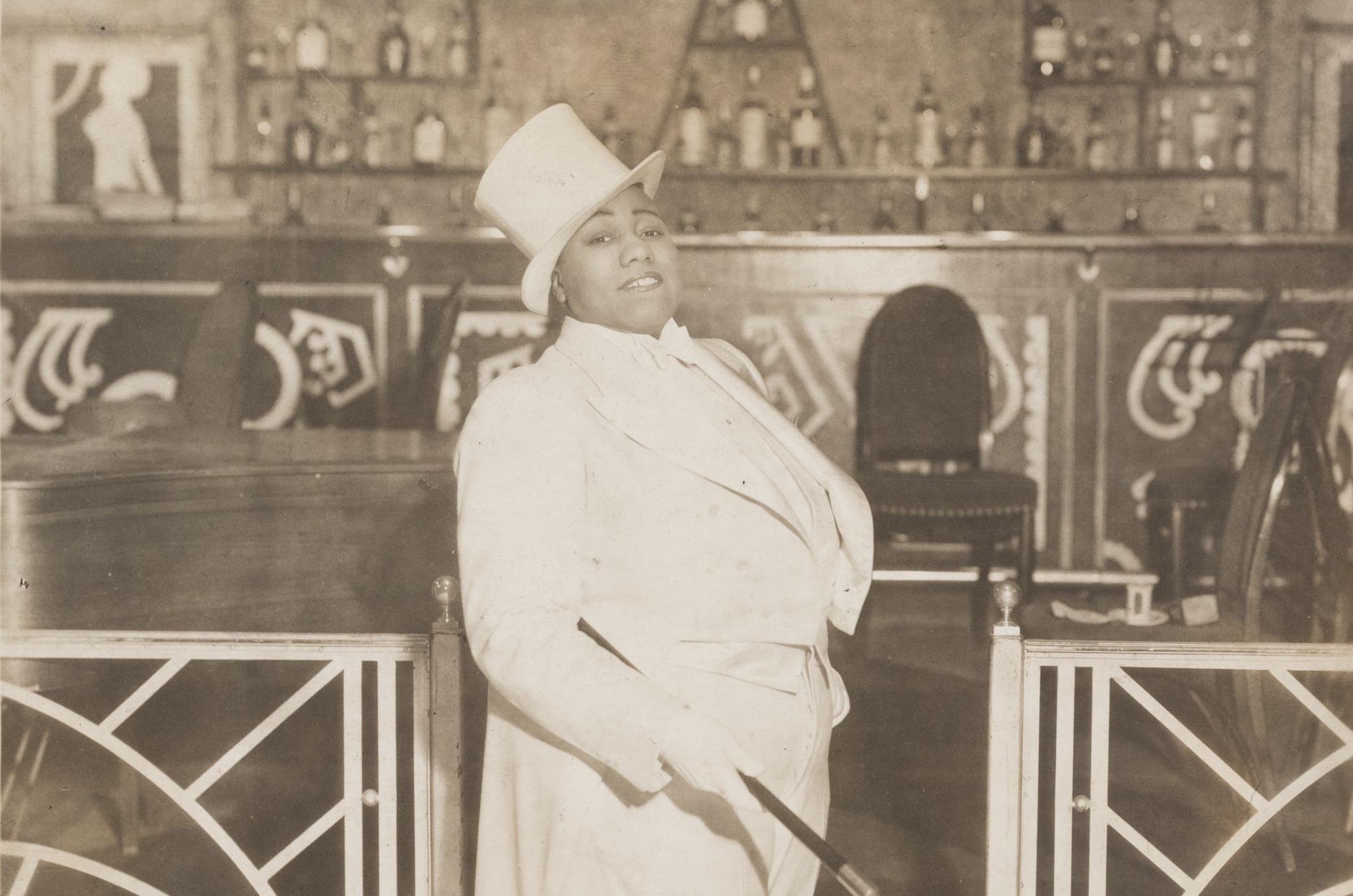
Gladys Bentley

Blues
Classic Blues
 Viberate Rank: 417186
 Viberate Rank: 417186
 Monthly ListenersFollowers
 Subscribers
 Followers
 Followers
 FansTop Spotify Songs
| Track | 7-Day Streams | |
|---|---|---|
1 | 96 | |
2 | 82 | |
3 | 43 | |
4 | 30 | |
5 | 27 |
Top YouTube VideosMonthly ListenersFeatured in Playlists| Playlist | Followers | |
|---|---|---|
1 |  The Jazz Age: Prohibition and the Roaring '20s (1920s & 1930s) R. Connor Montgomery | 4.61K |
2 | ChicasPower Malén Denis | 2.52K |
3 |  Pre-War Blues, Jug Bands & Hokum ('20s, '30s, '40s) R. Connor Montgomery | 2.34K |
4 |  The Sound of Harlem Renaissance The Sounds of Spotify | 1.77K |
5 |  queer country Tennessee Woodiel | 1.54K |
Audience| City | Monthly Listeners | |
|---|---|---|
1 |  | 12 |
2 | | 11 |
3 |  | 11 |
4 | | 9 |
5 | | 9 |
See full performance history, audience data, playlist activity, rankings, comparisons, and more in Viberate music analytics. Start with a free trial, then continue with a paid plan.
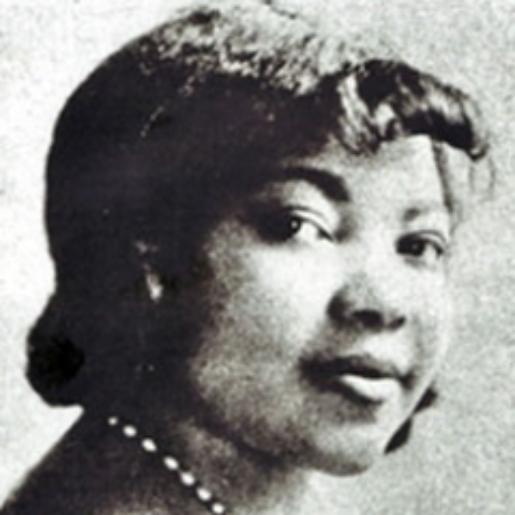
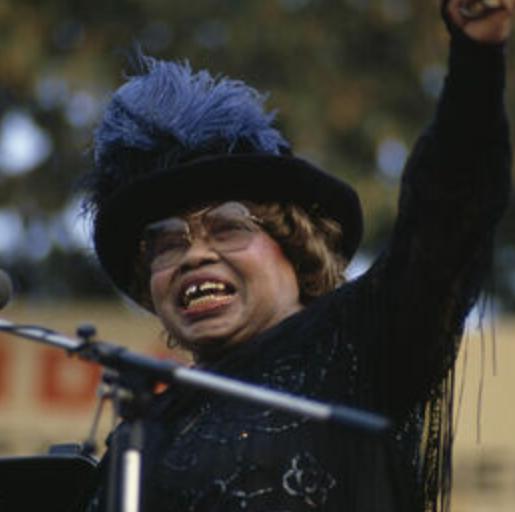
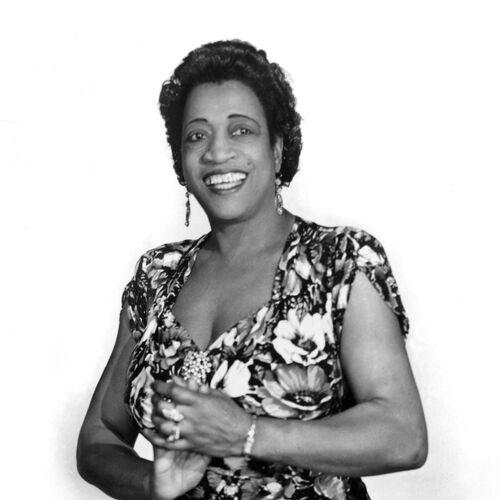
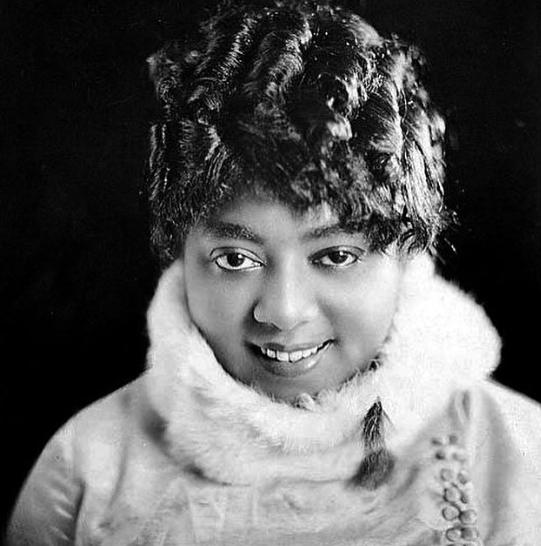
Gladys Bentley’s Spotify BioGladys Bentley was born August 12, 1907 (some accounts list the birthday as January 12), in Philadelphia, PA. As a young woman she moved to New York City's famous Harlem district, where, dressed in her signature tuxedo and top hat, she began singing at rent parties and speakeasies, creating an image as a lesbian chanteuse. She recorded ten tracks for Okeh Records in New York between August 1928 and March 1929, eight of which were officially released by the label. In 1937 she left New York and moved to Los Angeles, CA. She recorded ten tracks for Excelsior Records in 1945 and a single for Flame Records in the 1950s, but given that she had to considerably tone down her outrageous and bawdy stage act in order to record, none of her releases effectively captures her musical essence. She died on January 18, 1960, from flu complications. ~ Steve Leggett, Rovi
Viberate is a music analytics platform built for A&Rs, artist managers, labels, booking agents, marketers, and artists.
It helps music professionals track artist growth, analyze audience data, monitor playlist activity, compare artists, follow song performance, and identify opportunities across the music market.
Public artist pages provide a free preview of selected artist data. Paid plans provide access to deeper analytics, historical data, charts, comparisons, playlist tools, exports, alerts, reports, and additional professional features.
Yes. Public Viberate artist pages provide selected artist analytics and music data for free.
Viberate also offers a 7-day free trial of the full platform. A credit card is required to start the trial. The trial includes access to the complete product so users can test deeper artist analytics, historical views, playlist insights, comparisons, charts, exports, alerts, and reporting features before choosing a paid plan.
Viberate provides artist analytics across streaming, playlists, social media, video, radio airplay, songs, and audience markets.
Users can analyze Spotify performance, Spotify and Apple Music playlists, YouTube activity, TikTok and Instagram growth, radio spins, song performance, audience locations, demographics, rankings, and overall artist momentum.
Artist profiles also connect to music charts, similar artists, and comparison tools, helping users benchmark performance and evaluate artists in context.
Viberate updates key artist and track data daily.
For followed artists and tracks, selected data is refreshed multiple times per day. This helps teams monitor playlist changes, streaming movement, audience growth, releases, and campaign performance with more current data.
Update frequency can vary depending on the metric and data source.
Yes. Viberate lets users compare up to five artists side by side across streaming, social media, audience, and engagement metrics.
Users can compare fanbase growth, audience demographics, locations, Spotify performance, social metrics, and other artist data over selected time periods.
Artist comparison can be used for A&R scouting, benchmarking, booking decisions, campaign planning, and evaluating artists with similar audiences or market positions.