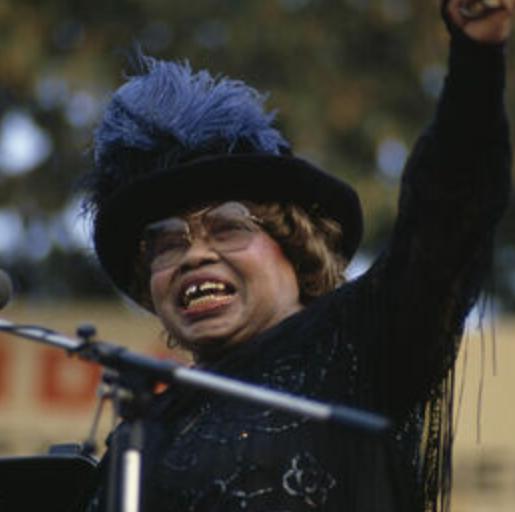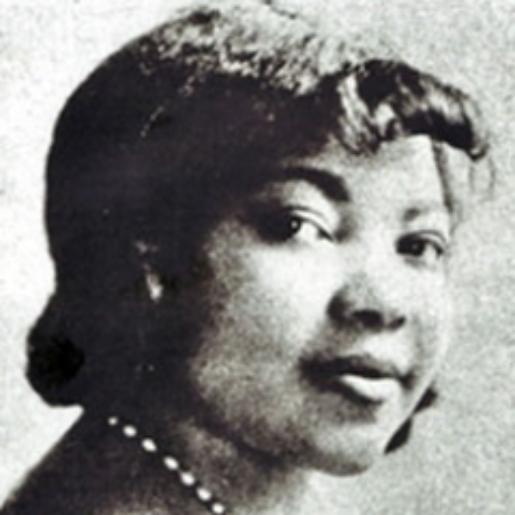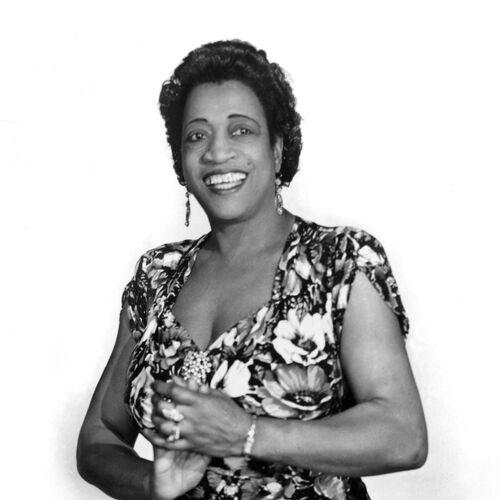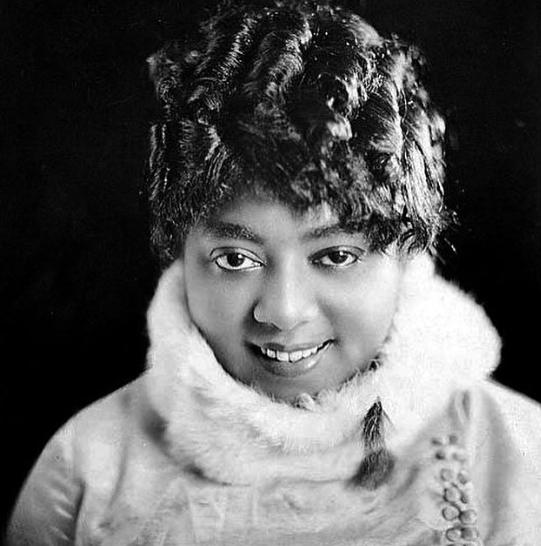
Victoria Spivey

Blues
Classic Blues
 Viberate Rank: 245427
 Viberate Rank: 245427
 Monthly ListenersFollowers
 Subscribers
 Followers
 Followers
 FansTop Spotify SongsTop YouTube VideosMonthly ListenersFeatured in Playlists
| Playlist | Followers | |
|---|---|---|
1 |  1920s: The Roaring Twenties! Nathalie.L | 66.80K |
2 | 20s 30s 40s Music Sean McKenzie | 16.82K |
3 |  Delta/Slide/Acoustic Blues Coltrel | 15.08K |
4 |  Old, Vintage & Classic Halloween Songs Birgitta Bellman | 14.96K |
5 |  Keeping The Blues Alive Joe Bonamassa | 10.34K |
Audience| City | Monthly Listeners | |
|---|---|---|
1 | | 145 |
2 | | 111 |
3 | | 102 |
4 |  | 99 |
5 | | 92 |
See full performance history, audience data, playlist activity, rankings, comparisons, and more in Viberate music analytics. Start with a free trial, then continue with a paid plan.
Victoria Spivey’s Spotify BioVictoria Spivey was one of the more influential blues women simply because she was around long enough to influence legions of younger women and men who rediscovered blues music during the mid-'60s U.S. blues revival, which had been brought about by British blues bands as well as their American counterparts, like Paul Butterfield and Elvin Bishop. Spivey could do it all: she wrote songs, sang them well, and accompanied herself on piano and organ, and occasionally ukulele.
Spivey began her recording career at age 19 and came from the same rough-and-tumble clubs in Houston and Dallas that produced Sippie Wallace. In 1918, she left home to work as a pianist at the Lincoln Theater in Dallas. In the early '20s, she played in gambling parlors, gay hangouts, and brothels in Galveston and Houston with Blind Lemon Jefferson. Among Spivey's many influences was Ida Cox, herself a sassy blues woman, and taking her cue from Cox, Spivey wrote and recorded tunes like "TB Blues," "Dope Head Blues," and… "Organ Grinder Blues." Spivey's other influences included Bobby "Blue" Bland, Sara Martin, and Bessie Smith. Like so many other women blues singers who had their heyday in the '20s and '30s, Spivey wasn't afraid to sing sexually suggestive lyrics, and this turned out to be a blessing nearly 40 years later given the sexual revolution of the '60s and early '70s.
She recorded her first song, "Black Snake Blues," for the OKeh label in 1926, and then worked as a songwriter at a music publishing company in St. Louis in the late '20s. In the '30s, Spivey recorded for the Victor, Vocalion, Decca, and OKeh labels, and moved to New York City, working as a featured performer in a number of African-American musical revues, including the Hellzapoppin' Revue. In the '30s, she recorded and spent time on the road with Louis Armstrong's various bands. By the '50s, Spivey had left show business and sang only in church. But in forming her own Spivey Records label in 1962, she found new life in her old career. Her first release on her own label featured Bob Dylan as an accompanist.
As the folk revival began to take hold in the early '60s, Spivey found herself an in-demand performer on the folk-blues festival circuit. She also performed frequently in nightclubs around New York City. Unlike others from her generation, Spivey continued her recording career until well into the '70s, performing at the Ann Arbor Blues and Jazz Festival in 1973 with Roosevelt Sykes. Throughout the '60s and '70s, she had an influence on musicians as varied as Dylan, Sparky Rucker, Ralph Rush, Carrie Smith, Edith Johnson, and Bonnie Raitt.
Spivey's many albums for Spivey and other labels include the excellent Songs We Taught Your Mother (1962), which also includes contributions from Alberta Hunter and Lucille Hegamin, Idle Hours (1961), The Queen and Her Knights (1965), and The Victoria Spivey Recorded Legacy of the Blues (1970). In 1970, Spivey was awarded a BMI Commendation of Excellence from the music publishing organization for her long and outstanding contributions to many worlds of music. After entering Beekman Downtown Hospital with an internal hemorrhage, she died a short while later in 1976. Victoria Spivey is buried in Hempstead, New York. ~ Richard Skelly, Rovi
Viberate is a music analytics platform built for A&Rs, artist managers, labels, booking agents, marketers, and artists.
It helps music professionals track artist growth, analyze audience data, monitor playlist activity, compare artists, follow song performance, and identify opportunities across the music market.
Public artist pages provide a free preview of selected artist data. Paid plans provide access to deeper analytics, historical data, charts, comparisons, playlist tools, exports, alerts, reports, and additional professional features.
Yes. Public Viberate artist pages provide selected artist analytics and music data for free.
Viberate also offers a 7-day free trial of the full platform. A credit card is required to start the trial. The trial includes access to the complete product so users can test deeper artist analytics, historical views, playlist insights, comparisons, charts, exports, alerts, and reporting features before choosing a paid plan.
Viberate provides artist analytics across streaming, playlists, social media, video, radio airplay, songs, and audience markets.
Users can analyze Spotify performance, Spotify and Apple Music playlists, YouTube activity, TikTok and Instagram growth, radio spins, song performance, audience locations, demographics, rankings, and overall artist momentum.
Artist profiles also connect to music charts, similar artists, and comparison tools, helping users benchmark performance and evaluate artists in context.
Viberate updates key artist and track data daily.
For followed artists and tracks, selected data is refreshed multiple times per day. This helps teams monitor playlist changes, streaming movement, audience growth, releases, and campaign performance with more current data.
Update frequency can vary depending on the metric and data source.
Yes. Viberate lets users compare up to five artists side by side across streaming, social media, audience, and engagement metrics.
Users can compare fanbase growth, audience demographics, locations, Spotify performance, social metrics, and other artist data over selected time periods.
Artist comparison can be used for A&R scouting, benchmarking, booking decisions, campaign planning, and evaluating artists with similar audiences or market positions.