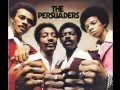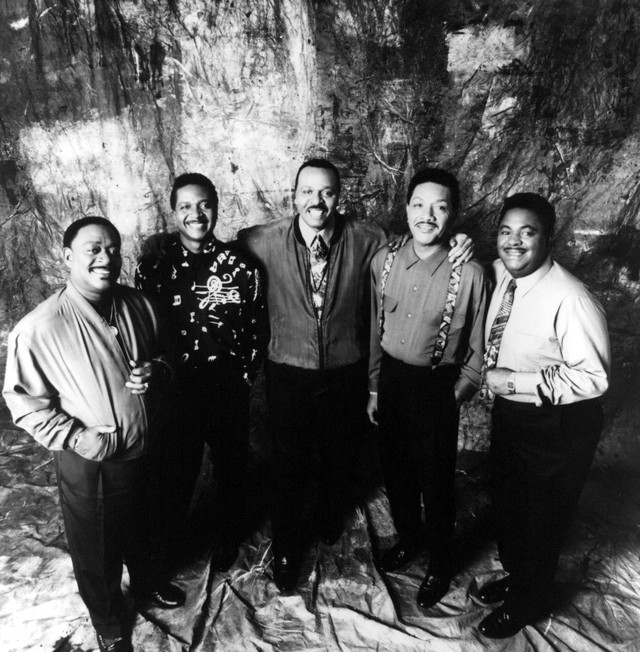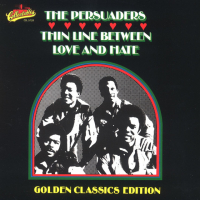
The Persuaders

R&B
Funk
Soul
 Viberate Rank: 79696
 Viberate Rank: 79696
 Monthly ListenersFollowers
 Subscribers
 Followers
 Followers
 FansTop Spotify Songs
| Track | 7-Day Streams | |
|---|---|---|
1 | 95.39K | |
2 | 5.40K | |
3 | 2.26K | |
4 | 2.19K | |
5 | 2.12K |
Top YouTube VideosMonthly ListenersFeatured in Playlists| Playlist | Followers | |
|---|---|---|
1 |  70s Soul Classics Spotify | 1.88M |
2 |  Lowrider Crusin' Spotify | 144.17K |
3 | Lowrider oldies Pinchekodiak | 91.32K |
4 |  Best Low Rider Oldies🎭 truly | 82.65K |
5 |  Chicano Oldies DCCII.Angel | 81.36K |
Audience| City | Monthly Listeners | |
|---|---|---|
1 | | 15.21K |
2 | | 5.60K |
3 | | 4.15K |
4 | | 3.98K |
5 | | 3.82K |
See full performance history, audience data, playlist activity, rankings, comparisons, and more in Viberate music analytics. Start with a free trial, then continue with a paid plan.
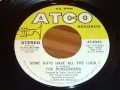
The Persuaders’ Spotify BioThis group made a pair of marvelous heartache ballads in 1971, but have the unfortunate legacy of having their finest cuts turned into pop hits via covers. Lead singer Douglas Scott, whose nickname appropriately was "Smokey," Willie Holland, James Barnes, and Charles Stodghill formed in New York in 1969. They signed with Atlantic in the early '70s and had their lone R&B chart-topper in 1971, the shattering classic "Thin Line Between Love & Hate." It was also their only gold single. The follow-up was nearly as strong; "Love's Gonna Pack Up (And Walk Out)" reached number eight on the R&B charts, but had no crossover appeal. They continued on Win & Lose until 1973, then moved to Atco, where "Some Guys Have All the Luck" was a number seven R&B single in 1973. It was their final hit, though they kept recording until the late '70s, doing their last session for Calla. Besides the Pretenders re-doing "Thin Line Between Love & Hate," Rod Stewart had a Top Ten pop hit with his version of "Some… Guys Have All the Luck" in 1984. ~ Ron Wynn, Rovi
Viberate is a music analytics platform built for A&Rs, artist managers, labels, booking agents, marketers, and artists.
It helps music professionals track artist growth, analyze audience data, monitor playlist activity, compare artists, follow song performance, and identify opportunities across the music market.
Public artist pages provide a free preview of selected artist data. Paid plans provide access to deeper analytics, historical data, charts, comparisons, playlist tools, exports, alerts, reports, and additional professional features.
Yes. Public Viberate artist pages provide selected artist analytics and music data for free.
Viberate also offers a 7-day free trial of the full platform. A credit card is required to start the trial. The trial includes access to the complete product so users can test deeper artist analytics, historical views, playlist insights, comparisons, charts, exports, alerts, and reporting features before choosing a paid plan.
Viberate provides artist analytics across streaming, playlists, social media, video, radio airplay, songs, and audience markets.
Users can analyze Spotify performance, Spotify and Apple Music playlists, YouTube activity, TikTok and Instagram growth, radio spins, song performance, audience locations, demographics, rankings, and overall artist momentum.
Artist profiles also connect to music charts, similar artists, and comparison tools, helping users benchmark performance and evaluate artists in context.
Viberate updates key artist and track data daily.
For followed artists and tracks, selected data is refreshed multiple times per day. This helps teams monitor playlist changes, streaming movement, audience growth, releases, and campaign performance with more current data.
Update frequency can vary depending on the metric and data source.
Yes. Viberate lets users compare up to five artists side by side across streaming, social media, audience, and engagement metrics.
Users can compare fanbase growth, audience demographics, locations, Spotify performance, social metrics, and other artist data over selected time periods.
Artist comparison can be used for A&R scouting, benchmarking, booking decisions, campaign planning, and evaluating artists with similar audiences or market positions.