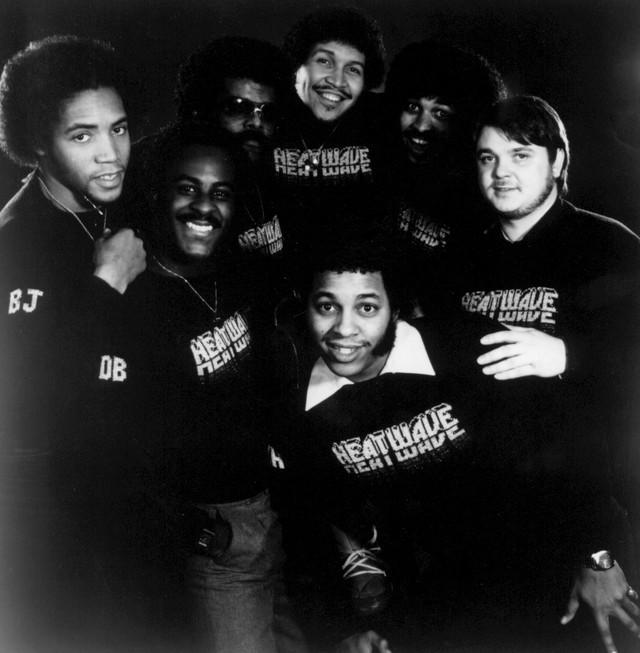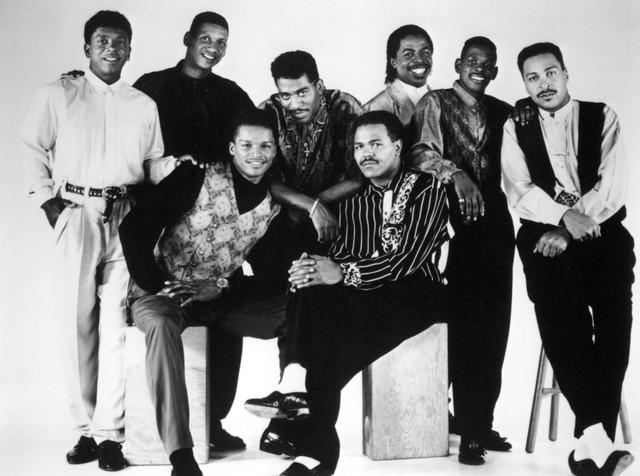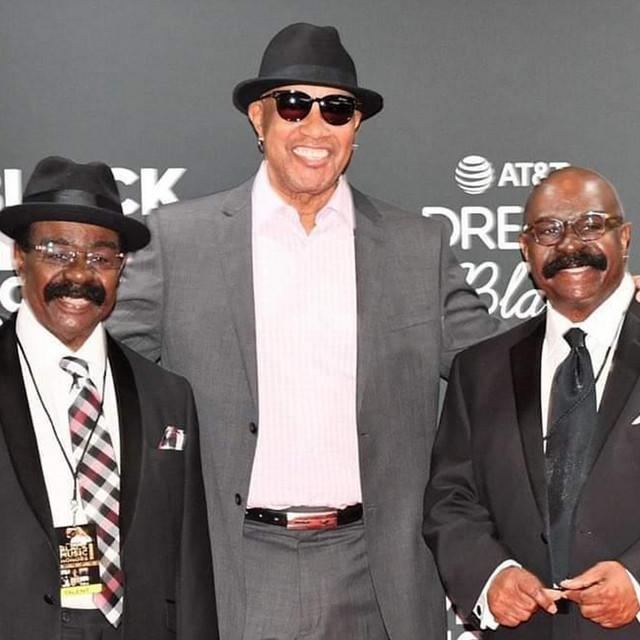
The Whispers

R&B
Funk
Disco
 Viberate Rank: 10816
 Viberate Rank: 10816
 Monthly ListenersFollowers
 Subscribers
 Followers
 Followers
 FansTop Spotify Songs
| Track | 7-Day Streams | |
|---|---|---|
1 | 157.84K | |
2 | 135.18K | |
3 | 51.10K | |
4 | 47.09K | |
5 | 45.89K |
Top YouTube VideosMonthly ListenersFeatured in Playlists| Playlist | Followers | |
|---|---|---|
1 |  Disco Hits 80 90 Mama Disco 💃 | 315.99K |
2 | 80s, 90s, 00s Greatest Hits Rob Johns | 262.44K |
3 |  Christian Dance Spotify | 242.13K |
4 |  80er und 90er BEST OF Julian Zink | 229.25K |
5 |  real good shit Tom Misch | 165.62K |
Audience| City | Monthly Listeners | |
|---|---|---|
1 | | 29.09K |
2 |  | 25.70K |
3 | | 16.32K |
4 | | 14.32K |
5 | | 12.98K |
See full performance history, audience data, playlist activity, rankings, comparisons, and more in Viberate music analytics. Start with a free trial, then continue with a paid plan.
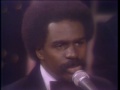
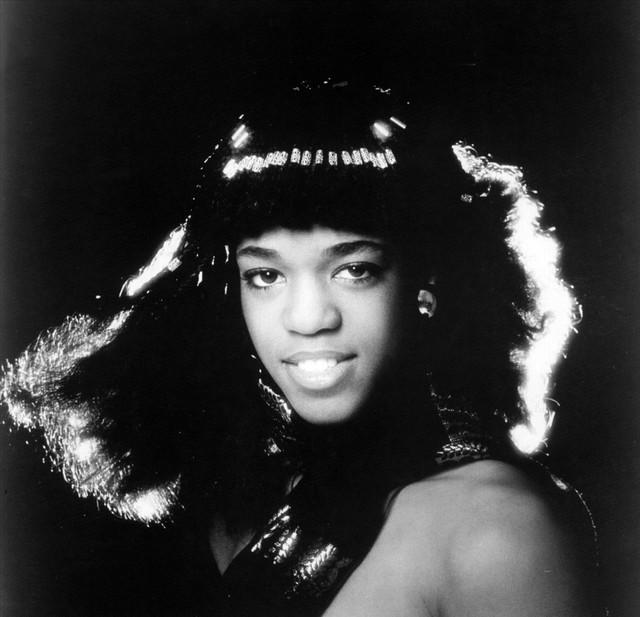
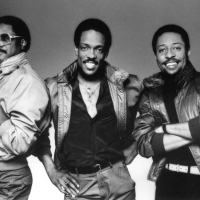
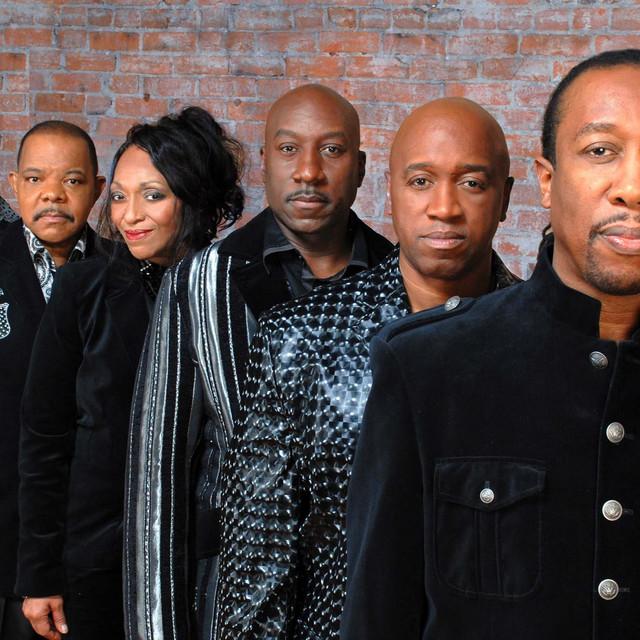
The Whispers’ Spotify BioIn the annals of R&B history, the Whispers have earned a solid and memorable position as one of the world’s longest-running vocals groups. Celebrating over 50 years in the industry, they are the cream of soul, embellishing smooth ballads and upbeat dance favorites. As one of the premier R&B groups to ever grace the stage, their musical success can be attributed to a careful balance of soul, disco, jazz, and pop to the delight of millions of fans. They have had 33 top 100 hits and 20 Billboard charted albums over a span of five decades.
The Whispers began their legendary career in 1964 producing a string of hits continuing over the last five decades such as “Seems Like I Gotta Do Wrong,” “And the Beat Goes On,” “Rock Steady,” “A Song For Donny,” and “Lady.” Their music has been sampled over 131 times and featured in over 600 musical compilations. The group has not made any personnel changes since 1973 when Leaveil Degree replaced Gordy Harmon; they still consist of Walter Scott,… Wallace “Scotty” Scott and Leaveil Degree. The passing of Nicholas Caldwell in 2016 left them as a trio, but still stellar and powerful in their stage presence. The Whispers have always been at the forefront of promoting and inspiring social change with such hits as “Seems Like I Gotta Do Wrong,” “Help Them See the Light,” and “Olivia.” It’s no surprise that in 2020, Walter, Scotty and Leaveil ask the question: “HOW LONG” in their latest single about social unrest.
Viberate is a music analytics platform built for A&Rs, artist managers, labels, booking agents, marketers, and artists.
It helps music professionals track artist growth, analyze audience data, monitor playlist activity, compare artists, follow song performance, and identify opportunities across the music market.
Public artist pages provide a free preview of selected artist data. Paid plans provide access to deeper analytics, historical data, charts, comparisons, playlist tools, exports, alerts, reports, and additional professional features.
Yes. Public Viberate artist pages provide selected artist analytics and music data for free.
Viberate also offers a 7-day free trial of the full platform. A credit card is required to start the trial. The trial includes access to the complete product so users can test deeper artist analytics, historical views, playlist insights, comparisons, charts, exports, alerts, and reporting features before choosing a paid plan.
Viberate provides artist analytics across streaming, playlists, social media, video, radio airplay, songs, and audience markets.
Users can analyze Spotify performance, Spotify and Apple Music playlists, YouTube activity, TikTok and Instagram growth, radio spins, song performance, audience locations, demographics, rankings, and overall artist momentum.
Artist profiles also connect to music charts, similar artists, and comparison tools, helping users benchmark performance and evaluate artists in context.
Viberate updates key artist and track data daily.
For followed artists and tracks, selected data is refreshed multiple times per day. This helps teams monitor playlist changes, streaming movement, audience growth, releases, and campaign performance with more current data.
Update frequency can vary depending on the metric and data source.
Yes. Viberate lets users compare up to five artists side by side across streaming, social media, audience, and engagement metrics.
Users can compare fanbase growth, audience demographics, locations, Spotify performance, social metrics, and other artist data over selected time periods.
Artist comparison can be used for A&R scouting, benchmarking, booking decisions, campaign planning, and evaluating artists with similar audiences or market positions.