La Risonanza

Classical
Opera
Chamber Music
 Viberate Rank: 512051
 Viberate Rank: 512051
 Monthly ListenersFollowers
 Subscribers
 Followers
 Followers
 FansTop Spotify Songs
| Track | 7-Day Streams | |
|---|---|---|
1 | 4.14K | |
2 | 818 | |
3 | 647 | |
4 | 589 | |
5 | 121 |
Top YouTube VideosMonthly ListenersFeatured in Playlists| Playlist | Followers | |
|---|---|---|
1 |  This Is Handel Spotify | 151.85K |
2 |  Bach Concertos Spotify | 65.77K |
3 | MUSICA BARROCA para concentrarse Eva Represa | 23.46K |
4 |  Música Barroca 60 bpm para Máxima Produtividade Rodrigobijuu | 14.15K |
5 | Barockmusik Moritz Proell | 5.92K |
Audience| City | Monthly Listeners | |
|---|---|---|
1 |  | 348 |
2 |  | 231 |
3 | | 200 |
4 | | 193 |
5 |  | 192 |
See full performance history, audience data, playlist activity, rankings, comparisons, and more in Viberate music analytics. Start with a free trial, then continue with a paid plan.
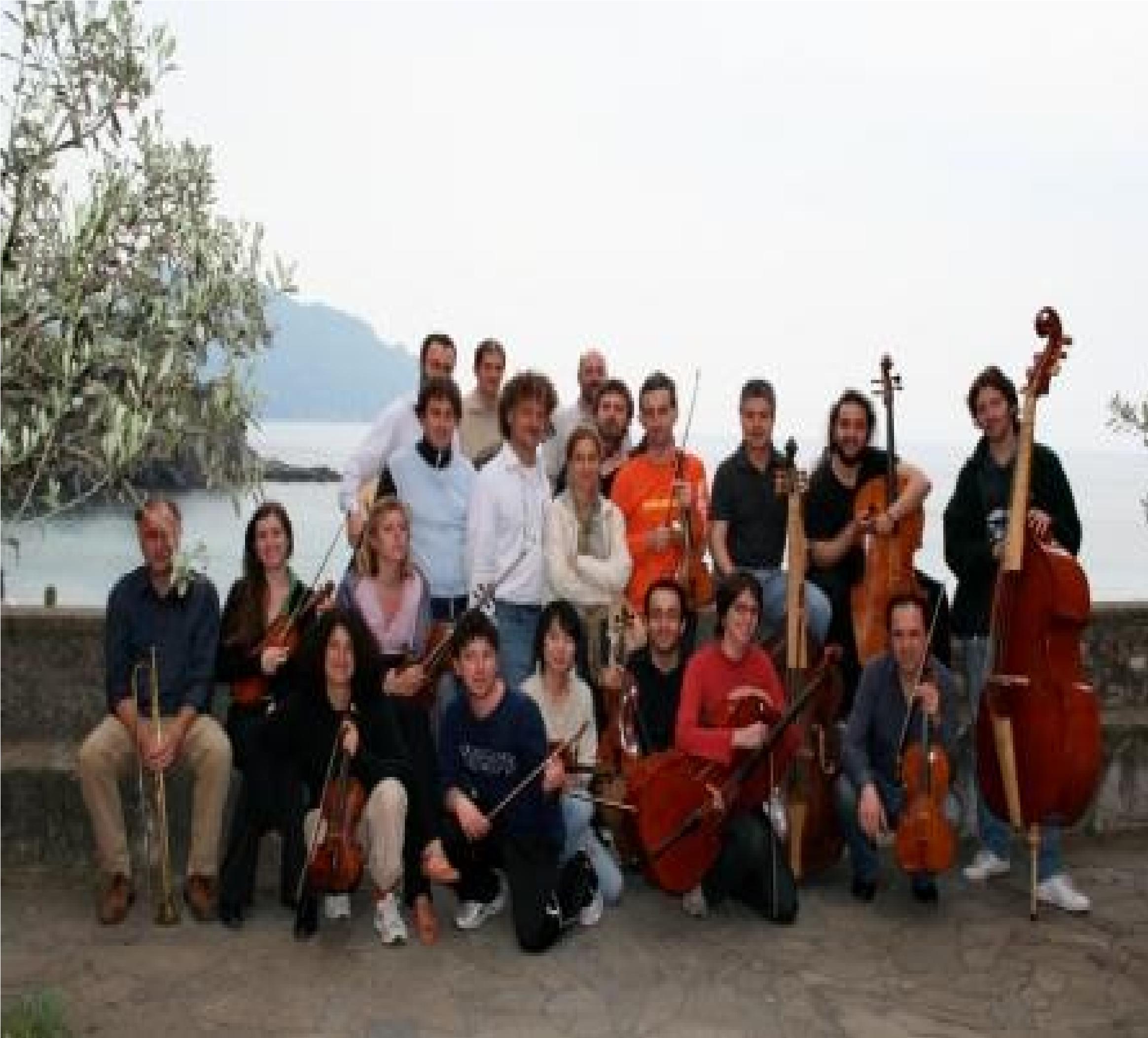
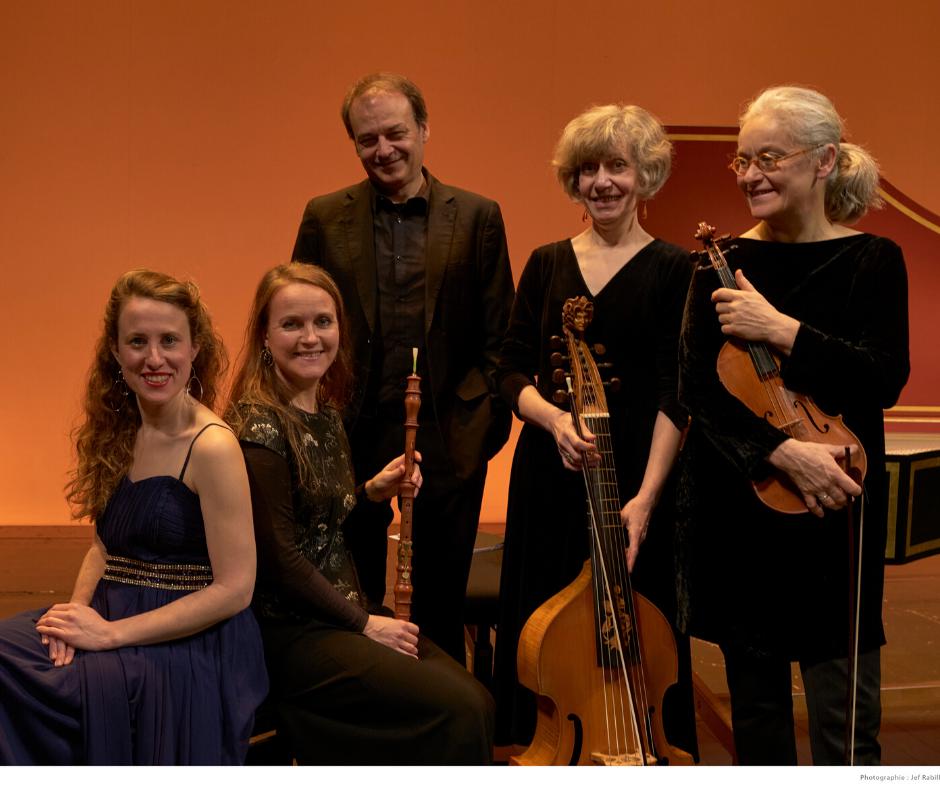
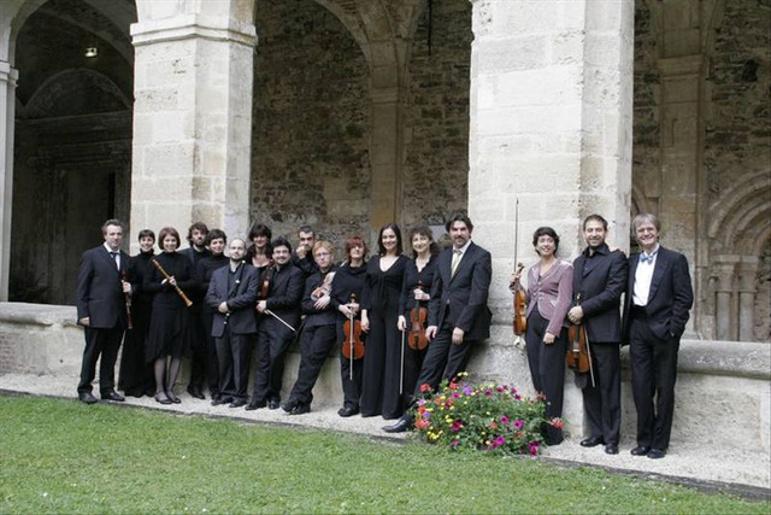
La Risonanza’s Spotify BioThe ensemble La Risonanza, which has been active in both vocal and instrumental music, has emerged as one of the leading lights in the vigorous historical-performance movement in Italy. La Risonanza was founded in 1995 by harpsichordist, organist, and conductor Fabio Bonizzoni, a graduate of the Hague Conservatory and a student of Ton Koopman there. The group has appeared in most of Italy's important concert series, has toured abroad, and has been featured at major early music festivals in Utrecht, Bruges, Cuenca, Versailles, and Saint Michel en Thiérache. La Risonanza has a core of about 15 instrumentalists but has a flexible membership that shifts according to the music being performed, and may expand to include collaboration with choral singers in larger works.
Much of La Risonanza's international visibility has come from its ambitious and well-received catalog of recordings, most of which have appeared on Spain's Glossa label. Handel's Italian music has been at the center of the… group's output, and in 2007 they launched a complete cycle of Handel's Italian-language cantatas, with album groupings determined by the cantatas' intended recipient or event. The debut album in that series in 2007 won the Stanley Sadie Handel Recording Prize, and subsequent releases have won similarly prestigious honors including a Gramophone Prize in 2011 for the album Apollo e Dafne. Other recordings have been devoted to the music of Haydn, Giuseppe Sammartini, Barbara Strozzi, Luigi Rossi, Johann Caspar Kerll, and Girolamo Frescobaldi. The cantata cycle continued into the mid-2010s and was joined by recordings of smaller Handel chamber works in Italian. In 2016, La Risonanza, with soprano Raffaela Milanesi, issued a recording of Purcell's Dido and Aeneas, one of their few recordings not devoted to Italian music, and in 2018 they began a new cycle of Bach keyboard concertos, played one instrument to a part with Bonizzoni at the keyboard.
Viberate is a music analytics platform built for A&Rs, artist managers, labels, booking agents, marketers, and artists.
It helps music professionals track artist growth, analyze audience data, monitor playlist activity, compare artists, follow song performance, and identify opportunities across the music market.
Public artist pages provide a free preview of selected artist data. Paid plans provide access to deeper analytics, historical data, charts, comparisons, playlist tools, exports, alerts, reports, and additional professional features.
Yes. Public Viberate artist pages provide selected artist analytics and music data for free.
Viberate also offers a 7-day free trial of the full platform. A credit card is required to start the trial. The trial includes access to the complete product so users can test deeper artist analytics, historical views, playlist insights, comparisons, charts, exports, alerts, and reporting features before choosing a paid plan.
Viberate provides artist analytics across streaming, playlists, social media, video, radio airplay, songs, and audience markets.
Users can analyze Spotify performance, Spotify and Apple Music playlists, YouTube activity, TikTok and Instagram growth, radio spins, song performance, audience locations, demographics, rankings, and overall artist momentum.
Artist profiles also connect to music charts, similar artists, and comparison tools, helping users benchmark performance and evaluate artists in context.
Viberate updates key artist and track data daily.
For followed artists and tracks, selected data is refreshed multiple times per day. This helps teams monitor playlist changes, streaming movement, audience growth, releases, and campaign performance with more current data.
Update frequency can vary depending on the metric and data source.
Yes. Viberate lets users compare up to five artists side by side across streaming, social media, audience, and engagement metrics.
Users can compare fanbase growth, audience demographics, locations, Spotify performance, social metrics, and other artist data over selected time periods.
Artist comparison can be used for A&R scouting, benchmarking, booking decisions, campaign planning, and evaluating artists with similar audiences or market positions.