Francesco Cavalli

Classical
Opera
 Viberate Rank: 334968
 Viberate Rank: 334968
 Monthly ListenersFollowers
 Subscribers
 Followers
 Followers
 FansTop Spotify Songs
| Track | 7-Day Streams | |
|---|---|---|
1 | 7.54K | |
2 | 1.17K | |
3 | 1.14K | |
4 | 869 | |
5 | 676 |
Top YouTube VideosMonthly ListenersFeatured in Playlists| Playlist | Followers | |
|---|---|---|
1 |  Baroque Classics Spotify | 387.91K |
2 | MUSICA BARROCA para concentrarse Eva Represa | 23.46K |
3 |  Les plus grands airs d'opéra Erato France | 12.66K |
4 |  Jakub Józef Orliński Warner Classics | 10.96K |
5 | MUSICA BARROCA para estudiar o leer mjoseb79 | 8.19K |
Audience| City | Monthly Listeners | |
|---|---|---|
1 |  | 655 |
2 |  | 602 |
3 |  | 506 |
4 |  | 499 |
5 |  | 376 |
See full performance history, audience data, playlist activity, rankings, comparisons, and more in Viberate music analytics. Start with a free trial, then continue with a paid plan.
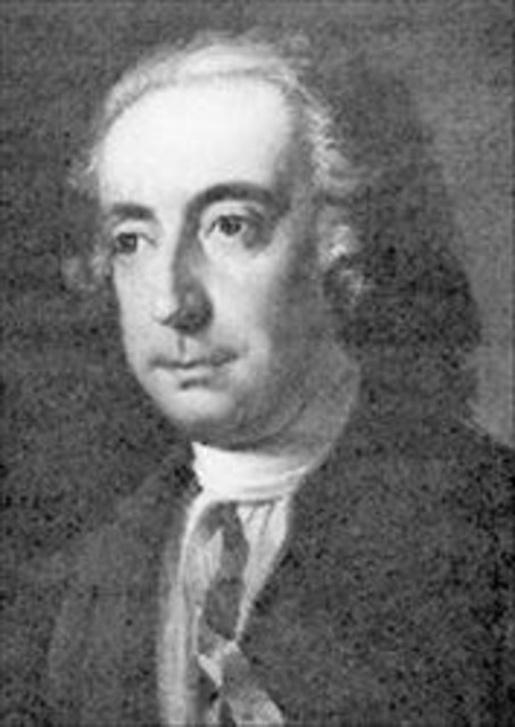
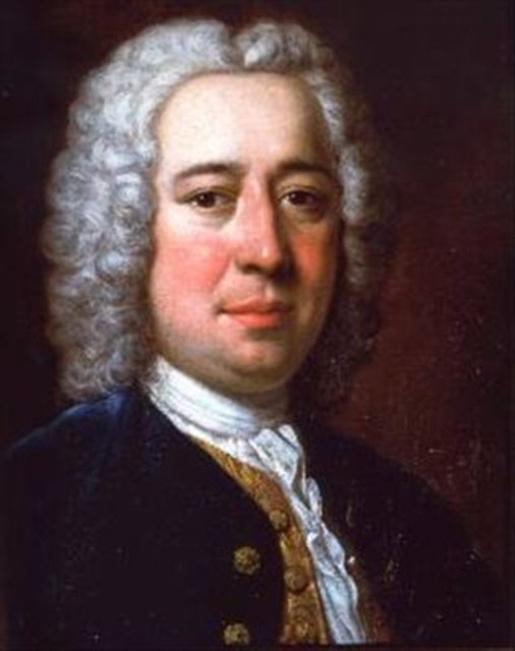
Francesco Cavalli’s Spotify BioAfter Monteverdi's death, Francesco Cavalli became the leading opera composer in Venice. Tremendously popular during his lifetime, he was soon forgotten after his death, and his operas vanished from the stage until their resurrection toward the end of the twentieth century.
Cavalli's father, G.B. Caletti, was probably his first music teacher. Federico Cavalli, the Venetian governor of Crema whose name Cavalli eventually adopted, was taken with young Francesco's voice and brought him back to Venice with him at the end of his term. Cavalli entered the cappella of St. Mark's in Venice as a boy soprano in 1616. After his voice changed, he remained in the cappella as a tenor.
During Cavalli's first 25 years at St. Mark's, he sang under the direction of Claudio Monteverdi (1567-1643), with whom he cultivated a relationship, and with he may have studied formally. His earliest known publication is a motet printed in Leonard Simonetti's Ghirlanda sacra, an anthology of motets by 26 composers.
Cava…lli supplemented his income from St. Mark's by taking other positions in Venice, including that of organist at the church of Sts. Giovanni e Paolo. He also sang and played at numerous church festivals. His marriage (January 7, 1630) to Maria Sozomeno brought the composer a substantial dowry and some measure of financial independence.
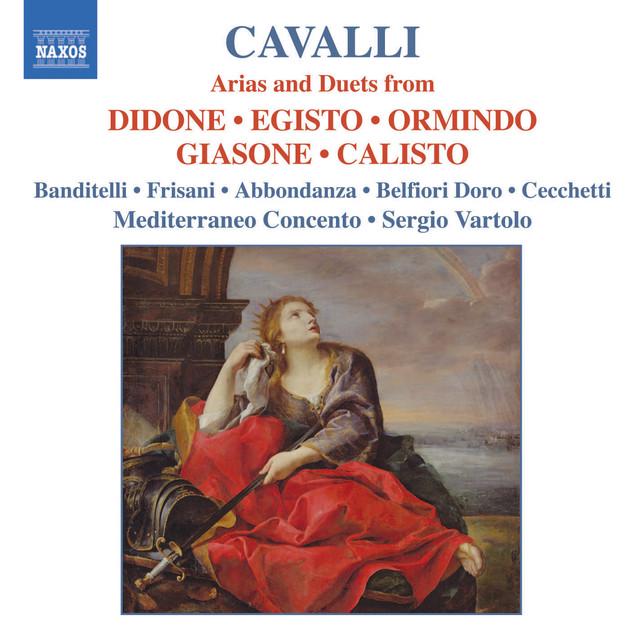
Cavalli was appointed second organist at St. Marks in 1639; at approximately the same time, he invested in the Teatro San Cassiano (the first public opera house in Venice [built in 1637]), and began writing operas for that theater. This proved to be a sound financial venture for Cavalli, since he earned far more money writing for the theater than he did from his position at St. Mark's. By 1670, he had composed 41 stage works, most for the San Cassiano. Cavalli's Egisto (1643), Ormindo (1644), and Calisto were all especially successful productions; these, as well as others, have been revived in the twentieth century (often by Raymond Leppard, who greatly altered Cavalli's scores).
Cavalli visited Paris twice, and a modified version of his Serse (1654) was given there in 1660 as part of Louis XIV's wedding celebration. This represented a compromise, because the opera Cavalli had been commissioned to compose, Ercole amante (Hercules in love), was not completed in time for the performance. Finished in 1662, Ercole amante is notable among Cavalli's works for the use of orchestral strings to accompany recitative; earlier works had made use of basso continuo alone.
The most popular of Cavalli's operas was Giasone, composed in 1649; it is a perfect example of Cavalli's stark division between recitative and aria. In the perhaps inevitable comparison between Giasone and Cavalli's other operas with the works of Monteverdi, the younger composer's recitatives are less passionate, less probing into the psyche of the character, and lacking in the variety of Monteverdi's. However, Cavalli's arias are more developed than Monteverdi's. Strophic in format, Cavalli's arias are generally in triple meter and the words are set syllabically, except for occasional decorative melismas. In each opera, there is usually at least one lament, often employing a repeated, descending bass line and resembling a passacaglia.
It is in his sacred works that Cavalli most resembles Monteverdi; his earliest known sacred piece, Cantate Domino, could be mistaken for a work by the older master. The conservative nature of Cavalli's sacred works no doubt stems from his desire to maintain the musical tradition of St. Mark's, developed in previous decades by Gabrieli and Monteverdi.
Viberate is a music analytics platform built for A&Rs, artist managers, labels, booking agents, marketers, and artists.
It helps music professionals track artist growth, analyze audience data, monitor playlist activity, compare artists, follow song performance, and identify opportunities across the music market.
Public artist pages provide a free preview of selected artist data. Paid plans provide access to deeper analytics, historical data, charts, comparisons, playlist tools, exports, alerts, reports, and additional professional features.
Yes. Public Viberate artist pages provide selected artist analytics and music data for free.
Viberate also offers a 7-day free trial of the full platform. A credit card is required to start the trial. The trial includes access to the complete product so users can test deeper artist analytics, historical views, playlist insights, comparisons, charts, exports, alerts, and reporting features before choosing a paid plan.
Viberate provides artist analytics across streaming, playlists, social media, video, radio airplay, songs, and audience markets.
Users can analyze Spotify performance, Spotify and Apple Music playlists, YouTube activity, TikTok and Instagram growth, radio spins, song performance, audience locations, demographics, rankings, and overall artist momentum.
Artist profiles also connect to music charts, similar artists, and comparison tools, helping users benchmark performance and evaluate artists in context.
Viberate updates key artist and track data daily.
For followed artists and tracks, selected data is refreshed multiple times per day. This helps teams monitor playlist changes, streaming movement, audience growth, releases, and campaign performance with more current data.
Update frequency can vary depending on the metric and data source.
Yes. Viberate lets users compare up to five artists side by side across streaming, social media, audience, and engagement metrics.
Users can compare fanbase growth, audience demographics, locations, Spotify performance, social metrics, and other artist data over selected time periods.
Artist comparison can be used for A&R scouting, benchmarking, booking decisions, campaign planning, and evaluating artists with similar audiences or market positions.