Ensemble Amarillis

Classical
Orchestral
Classical Crossover
 Viberate Rank: 367740
 Viberate Rank: 367740
 Monthly ListenersFollowers
 Subscribers
 Followers
 Followers
 FansTop Spotify SongsTop YouTube Videos
| Video | 7-Day Views | |
|---|---|---|
1 | 20 | |
2 | 19 | |
3 | 4 | |
4 | 4 | |
5 | 3 |
Monthly ListenersFeatured in Playlists| Playlist | Followers | |
|---|---|---|
1 |  Baroque Classics Sony Classical & Jazz Sweden | 131.09K |
2 |  J'aime pas le classique, mais ça j'aime bien ! Filtr France | 19.66K |
3 | 60bpm Baroque Study Tan | 4.99K |
4 | Growing Musical Minds 🎻 @ComposerStudyClub Instagram | 2.89K |
5 |  Classical Vampire Vibes Erin | 2.41K |
Audience| City | Monthly Listeners | |
|---|---|---|
1 | | 138 |
2 |  | 135 |
3 |  | 124 |
4 |  | 95 |
5 |  | 92 |
See full performance history, audience data, playlist activity, rankings, comparisons, and more in Viberate music analytics. Start with a free trial, then continue with a paid plan.
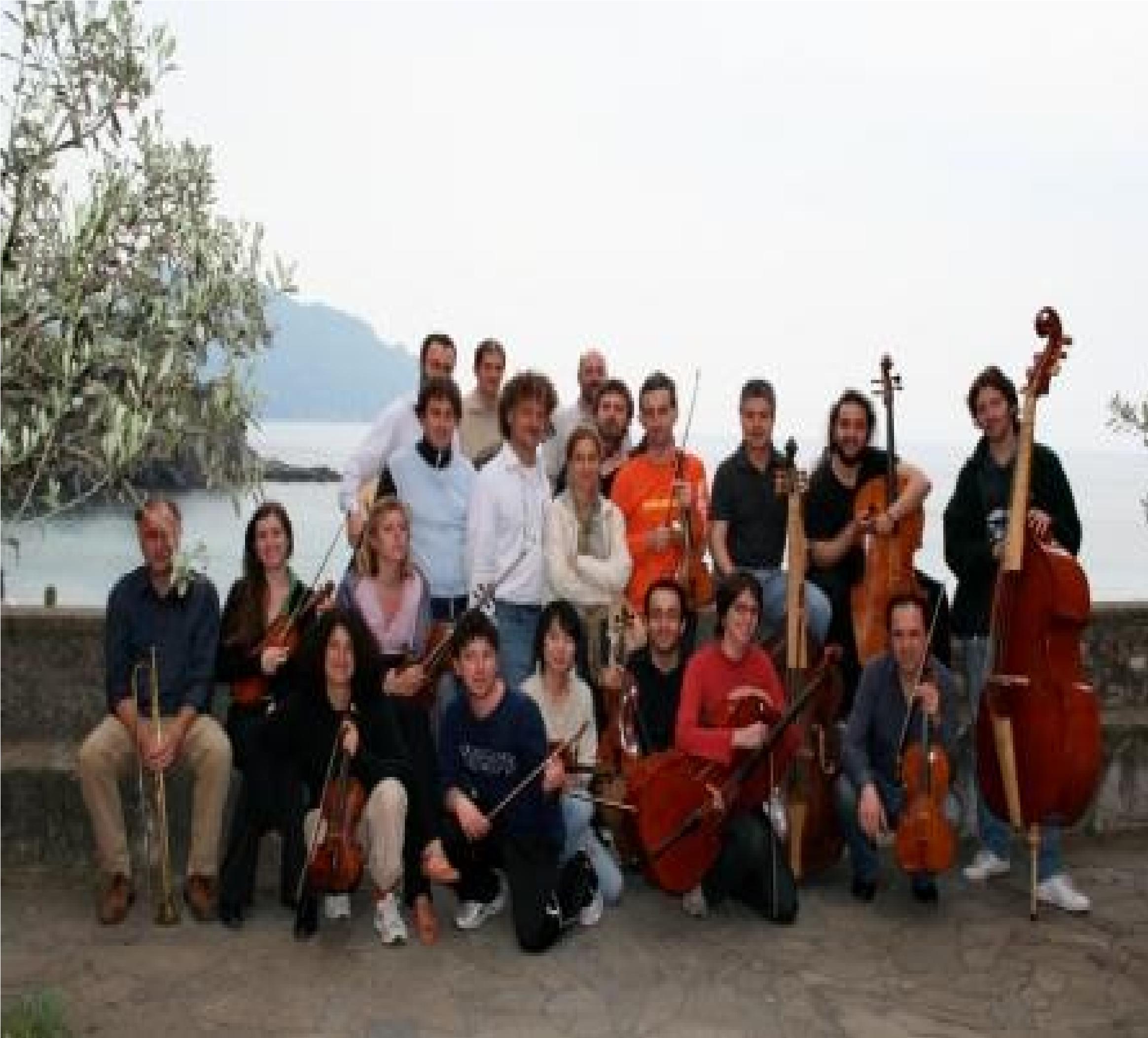
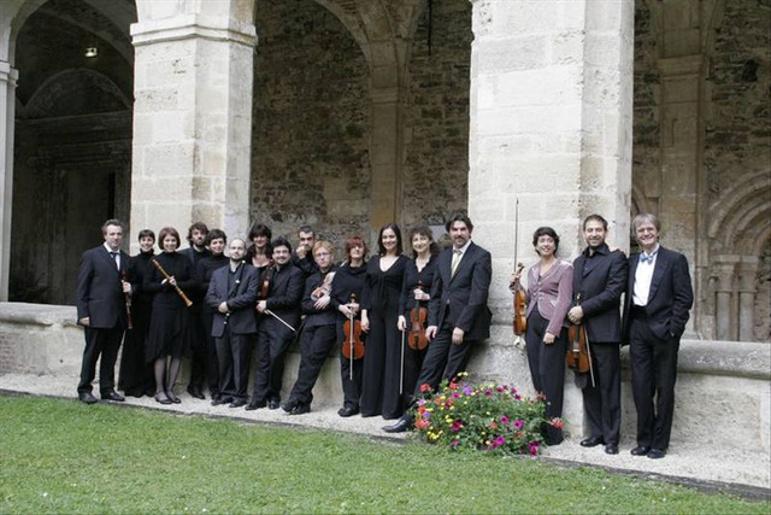
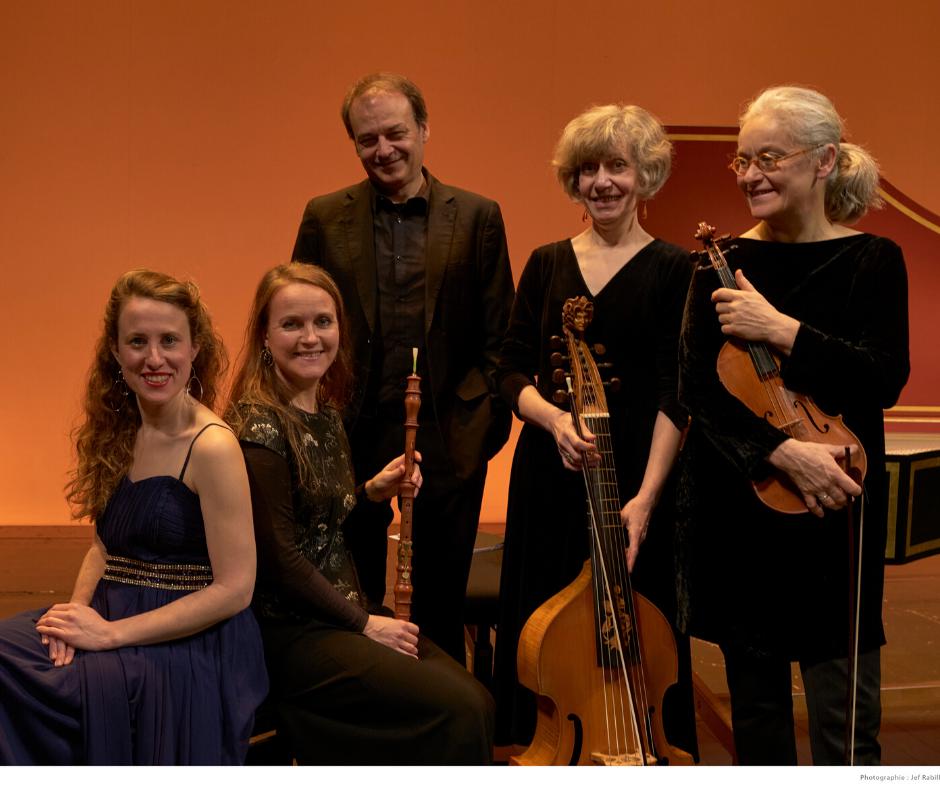
Ensemble Amarillis’ Spotify BioFrance's Ensemble Amarillis is noted for original programming and for its focus on lesser-known music of the Baroque. In performance, the group has also collaborated with artists from outside the musical realm.
Ensemble Amarillis was formed in 1994 by Héloïse Gaillard, a flutist, oboist, recorder player, and Sorbonne-degreed musicologist. She remains the group's artistic director as of the early 2020s. It has no conductor, and its forces very widely according to project, ranging from small instrumental groups to an orchestra of 35 or more players, plus various singers. Ensemble Amarillis was propelled onto the crowded 1990s early music map by three major prizes: First Prize of the York Early Music Competition, First Prize of the Fédération Nationale des Associations de Parents d'Elèves des Conservatoires competition, and, in September 1997, First Prize and the Audience Prize at harpsichordist and director Gustav Leonhardt's SINFONIA competition. In 1999, Ensemble Amarillis released its… debut album, Amour et Mascarade, its first in a series of albums for the Ambroisie label.
Ensemble Amarillis has appeared in major French venues, including the Philharmonie de Paris, the Versailles Baroque Music Center, and the Théâter des Champs-Élysées, in Britain at the Royal Academy of Music and at various festivals, and in many countries around Europe and internationally, as far afield as Senegal, China, and various places in Latin America. It has become known for devising thematic programs incorporating vocal music, such as Jeux de dames à la Cour, Amour et mascarade, and Ferveur et extase, but the group also performs and records freestanding Baroque repertory by major composers and has performed contemporary music and jazz on occasion. In performance, Ensemble Amarillis also collaborates with theatrical, dance, and spoken-word artists. The group is notable for its substantial recording catalog. Beginning in the 2010s, it recorded for major labels, including Sony Classical (a 2016 recording of Pergolesi's Stabat mater with soprano Sonya Yoncheva and mezzo-soprano Karine Deshayes), Harmonia Mundi, Naïve, and Mirare. In 2022, Ensemble Amarillis moved to the Evidence label for an album of solo cantatas by Élisabeth Jacquet de la Guerre. ~ James Manheim, Rovi
Viberate is a music analytics platform built for A&Rs, artist managers, labels, booking agents, marketers, and artists.
It helps music professionals track artist growth, analyze audience data, monitor playlist activity, compare artists, follow song performance, and identify opportunities across the music market.
Public artist pages provide a free preview of selected artist data. Paid plans provide access to deeper analytics, historical data, charts, comparisons, playlist tools, exports, alerts, reports, and additional professional features.
Yes. Public Viberate artist pages provide selected artist analytics and music data for free.
Viberate also offers a 7-day free trial of the full platform. A credit card is required to start the trial. The trial includes access to the complete product so users can test deeper artist analytics, historical views, playlist insights, comparisons, charts, exports, alerts, and reporting features before choosing a paid plan.
Viberate provides artist analytics across streaming, playlists, social media, video, radio airplay, songs, and audience markets.
Users can analyze Spotify performance, Spotify and Apple Music playlists, YouTube activity, TikTok and Instagram growth, radio spins, song performance, audience locations, demographics, rankings, and overall artist momentum.
Artist profiles also connect to music charts, similar artists, and comparison tools, helping users benchmark performance and evaluate artists in context.
Viberate updates key artist and track data daily.
For followed artists and tracks, selected data is refreshed multiple times per day. This helps teams monitor playlist changes, streaming movement, audience growth, releases, and campaign performance with more current data.
Update frequency can vary depending on the metric and data source.
Yes. Viberate lets users compare up to five artists side by side across streaming, social media, audience, and engagement metrics.
Users can compare fanbase growth, audience demographics, locations, Spotify performance, social metrics, and other artist data over selected time periods.
Artist comparison can be used for A&R scouting, benchmarking, booking decisions, campaign planning, and evaluating artists with similar audiences or market positions.