Giovanni Bononcini

Classical
Opera
Classical Crossover
 Viberate Rank: 423127
 Viberate Rank: 423127
 Monthly ListenersFollowers
 Subscribers
 Followers
 Followers
 FansTop Spotify SongsTop YouTube VideosMonthly ListenersFeatured in Playlists
| Playlist | Followers | |
|---|---|---|
1 |  Klassik zum Entspannen Filtr Germany | 42.05K |
2 |  Jakub Józef Orliński Warner Classics | 10.96K |
3 |  Philippe Jaroussky - Best of Warner Classics | 6.44K |
4 |  ARIAS FOREVER Ertuğrul Özkök | 4.88K |
5 | Italian Classical Music Gabriela Galescu | 4.09K |
Audience| City | Monthly Listeners | |
|---|---|---|
1 |  | 275 |
2 |  | 178 |
3 |  | 177 |
4 |  | 171 |
5 |  | 145 |
See full performance history, audience data, playlist activity, rankings, comparisons, and more in Viberate music analytics. Start with a free trial, then continue with a paid plan.
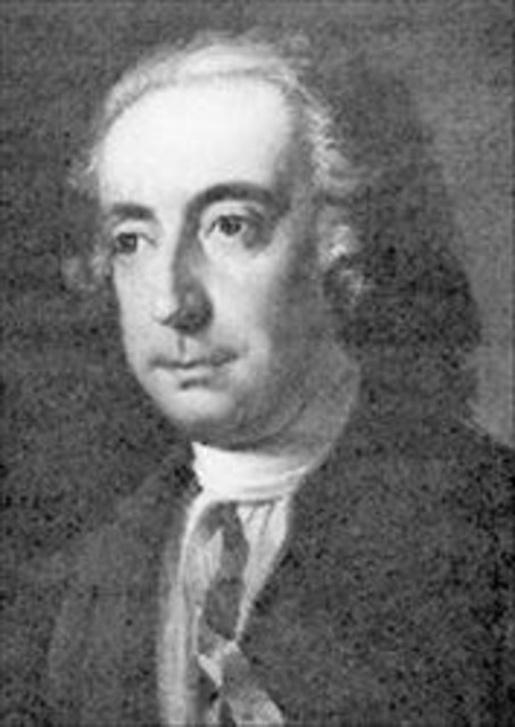
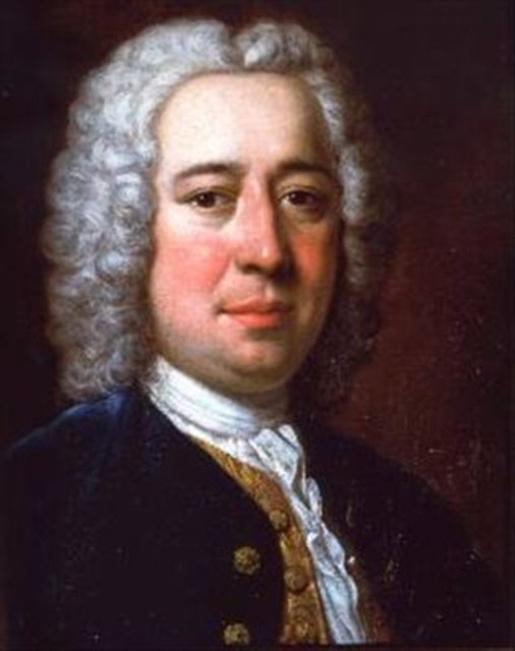
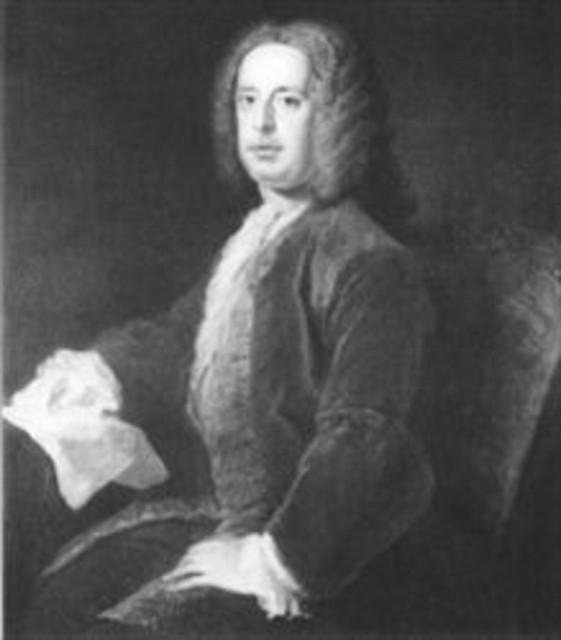
Giovanni Bononcini’s Spotify BioGiovanni Battista Bononcini was the most prominent figure from the Bononcini family of composers and musicians, whose other members included his father Giovanni Maria (1642-1678), and his brothers Giovanni Maria II (1678-1753), and Antonio Maria (1677-1726). Giovanni Battista was one of the leading composers of his day, spending much of his career in Vienna and London. In the latter locale he was a rival of Handel for a time, despite religious and political opposition to his works. Bononcini's operas and cantatas were widely performed and highly acclaimed throughout Europe and England during his day.
While Bononcini's first known formal musical education came in Bologna after 1678, he likely had training as a choirboy, as well as taking lessons on cello in his early childhood. Orphaned when he was eight, he was sent to Bologna, where he studied cello and composition with G.P. Colonna, probably from 1680-1685. Near the end of this period of instruction he began writing his first… compositions, his Opp. 1 and 2 (1685) being sets of 12 pieces each for two violins and continuo. There followed three sinfonie (1685-1687), as well as oratorios and masses. The masses were written for San Giovanni Cathedral, in Monte, where he had become maestro di cappella in 1687.
In 1692 Bononcini accepted a post with Filippo Colonna in Rome, for whom he composed operas, serenatas, and an oratorio. The young composer had one great success during this Roman period, the opera Il trionfo di Camilla (1696), which was especially well received in Naples. In 1697 Bononcini traveled to Vienna to accept a highly paid post in the Court of Leopold I. He was quite productive throughout his eight years under the emperor, who died in 1705. Bononcini was retained at Court by Leopold's successor, Joseph: indeed, by 1705 he was regarded by many as the leading composer in Europe.
Bononcini composed a dozen dramatic works during Joseph's reign (1705-1711), but seems to have fallen somewhat out of favor with Charles VI, who became Emperor in 1711. Bononcini traveled back to Italy and took a position in 1714 in Rome with Charles VI's ambassador there, Johann Wenzel. The ambassador died five years later, after which Bononcini was taken on at London's Royal Academy of Music in 1720. His first works, especially the opera Muzio Scevola, were extremely successful there.
Because of his Catholic background and associations with politically unpopular figures, however, Bononcini found the situation in England increasingly difficult, and thus departed in 1732 for Paris. He might have left as early as 1724, had there not been an offer from the Duchess of Marlborough, whose substantial stipends gave sufficient incentive to him to stay on and conduct private concerts for her until 1731. Oddly, he had many successes during his years in England, probably as many as Handel for the same period. But several intolerant factions eventually drove him off.
In the early 1730s he performed before the Court at Lisbon, but returned to Vienna in 1736. There he composed two operas, performed the following year with acclaim. The composer's last significant work was a Te Deum, commissioned, probably in 1740, by Empress Maria Theresa. It was premiered in February 1741. Bononcini was apparently not very active in his last years, perhaps because of the death of his daughter in Vienna in 1743. Also, his wife Margherita, may have been separated from him during his last years.
Viberate is a music analytics platform built for A&Rs, artist managers, labels, booking agents, marketers, and artists.
It helps music professionals track artist growth, analyze audience data, monitor playlist activity, compare artists, follow song performance, and identify opportunities across the music market.
Public artist pages provide a free preview of selected artist data. Paid plans provide access to deeper analytics, historical data, charts, comparisons, playlist tools, exports, alerts, reports, and additional professional features.
Yes. Public Viberate artist pages provide selected artist analytics and music data for free.
Viberate also offers a 7-day free trial of the full platform. A credit card is required to start the trial. The trial includes access to the complete product so users can test deeper artist analytics, historical views, playlist insights, comparisons, charts, exports, alerts, and reporting features before choosing a paid plan.
Viberate provides artist analytics across streaming, playlists, social media, video, radio airplay, songs, and audience markets.
Users can analyze Spotify performance, Spotify and Apple Music playlists, YouTube activity, TikTok and Instagram growth, radio spins, song performance, audience locations, demographics, rankings, and overall artist momentum.
Artist profiles also connect to music charts, similar artists, and comparison tools, helping users benchmark performance and evaluate artists in context.
Viberate updates key artist and track data daily.
For followed artists and tracks, selected data is refreshed multiple times per day. This helps teams monitor playlist changes, streaming movement, audience growth, releases, and campaign performance with more current data.
Update frequency can vary depending on the metric and data source.
Yes. Viberate lets users compare up to five artists side by side across streaming, social media, audience, and engagement metrics.
Users can compare fanbase growth, audience demographics, locations, Spotify performance, social metrics, and other artist data over selected time periods.
Artist comparison can be used for A&R scouting, benchmarking, booking decisions, campaign planning, and evaluating artists with similar audiences or market positions.