Alessandro Stradella Consort

Classical
Orchestral
Classical Crossover
 Viberate Rank: 436555
 Viberate Rank: 436555
 Monthly ListenersFollowers
 Subscribers
 Followers
 Followers
 FansTop Spotify SongsTop YouTube VideosMonthly ListenersFeatured in Playlists
| Playlist | Followers | |
|---|---|---|
1 |  Best of Pavarotti Luciano Pavarotti | 58.95K |
2 |  Pavarotti: The Greatest Hits Luciano Pavarotti | 27.84K |
3 |  FEMALE OPERA ARIAS Eve Moneypenny | 14.63K |
4 | Opern Klassiker marlise.ohayon | 10.75K |
5 |  Dark Classical Squirrel Potatoes | 3.99K |
Audience| City | Monthly Listeners | |
|---|---|---|
1 |  | 231 |
2 |  | 173 |
3 |  | 173 |
4 |  | 160 |
5 |  | 155 |
See full performance history, audience data, playlist activity, rankings, comparisons, and more in Viberate music analytics. Start with a free trial, then continue with a paid plan.
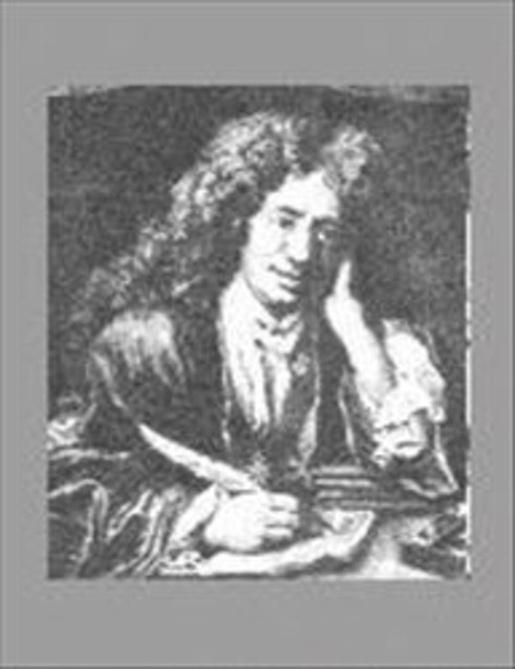
Alessandro Stradella Consort’s Spotify BioOne of the earlier members of that elite caste of composers who lived only into their mid-thirties (one thinks, of course, of Mozart, Schubert and Mendelssohn), Italian Baroque composer Alessandro Stradella is considered one of the most versatile and influential musical figures of the mid-seventeenth century. Born in Rome in 1644, Stradella first appears in the historical record eleven years later when his name is among the singers listed at St. Marcello del Crocifisso Cathedral. In 1658 he became a singer at the court of Queen Christina of Sweden (stationed in Rome), who, by 1663, was sufficiently impressed with Stradella's musical skills to begin commissioning compositions from him (beginning with the motet Chare Jesu suavissime). Soon other Roman notables followed suit, and Stradella produced an assortment of motets, prologues and intermezzi (to be performed between the acts of other composers' operas) throughout the 1660s.
In 1669 Stradella joined the abbot Antonio Sforza and… violinist Ambrogio Lonati in an unsuccessful plot to embezzle funds from the Roman Catholic Church. Stradella managed to escape imprisonment but found it advisable to flee Rome until the entire affair had been buried by the Church. By 1670 he was back in the city writing musical prologues and intermezzi for the Tordinona public theater in Rome. After 1675 (a Holy Year during which all public theater productions were forbidden) Stradella redirected his energies to sacred composition (mostly large religious-dramatic oratorios) and instrumental composition.
By 1677 Stradella had once again earned the disfavor of the Roman Church, and was forced to flee the city. Invited to the city of Venice to provide a musical education for the wealthy Alvise Contarini's mistress, Stradella instead charmed and absconded with the mistress, and a price was put on his head by the very powerful Contarini family. After an attempt on his life in October of 1677 Stradella traveled to Genoa, where a number of his operas and sacred oratorios were subsequently performed. A scandalous love affair with a Genoese noblewoman earned Stradella the wrath of the Lomellini family, and in 1681 the composer was killed by a Lomellini agent.
Stradella seems to have had plenty of money (he certainly never relied on musical commissions to survive), and it is very likely that he was born into the aristocracy. His substantial output includes 27 surviving purely instrumental works -- virtually all in sonata da chiesa design, and likely a great influence on the young Arcangelo Corelli, whom we know to have had a familiarity with Stradella's music. Stradella's vocal compositions show a great musical and textual diversity. The opera Il Trespolo tutore, containing as it does an important, humorous bass character, is one of the earliest examples of opera buffa. While his operas all employ a relatively small orchestra (two violins and continuo), Stradella experimented with more sizeable instrumental ensembles in his cantatas and oratorios, many of which feature the kind of concerto grosso string division (i.e. concertino and tutti groups); this would soon become a prominent feature in Italian Baroque composition.
Viberate is a music analytics platform built for A&Rs, artist managers, labels, booking agents, marketers, and artists.
It helps music professionals track artist growth, analyze audience data, monitor playlist activity, compare artists, follow song performance, and identify opportunities across the music market.
Public artist pages provide a free preview of selected artist data. Paid plans provide access to deeper analytics, historical data, charts, comparisons, playlist tools, exports, alerts, reports, and additional professional features.
Yes. Public Viberate artist pages provide selected artist analytics and music data for free.
Viberate also offers a 7-day free trial of the full platform. A credit card is required to start the trial. The trial includes access to the complete product so users can test deeper artist analytics, historical views, playlist insights, comparisons, charts, exports, alerts, and reporting features before choosing a paid plan.
Viberate provides artist analytics across streaming, playlists, social media, video, radio airplay, songs, and audience markets.
Users can analyze Spotify performance, Spotify and Apple Music playlists, YouTube activity, TikTok and Instagram growth, radio spins, song performance, audience locations, demographics, rankings, and overall artist momentum.
Artist profiles also connect to music charts, similar artists, and comparison tools, helping users benchmark performance and evaluate artists in context.
Viberate updates key artist and track data daily.
For followed artists and tracks, selected data is refreshed multiple times per day. This helps teams monitor playlist changes, streaming movement, audience growth, releases, and campaign performance with more current data.
Update frequency can vary depending on the metric and data source.
Yes. Viberate lets users compare up to five artists side by side across streaming, social media, audience, and engagement metrics.
Users can compare fanbase growth, audience demographics, locations, Spotify performance, social metrics, and other artist data over selected time periods.
Artist comparison can be used for A&R scouting, benchmarking, booking decisions, campaign planning, and evaluating artists with similar audiences or market positions.