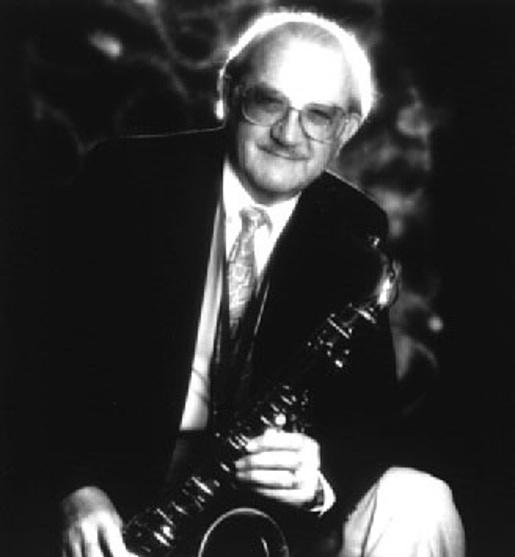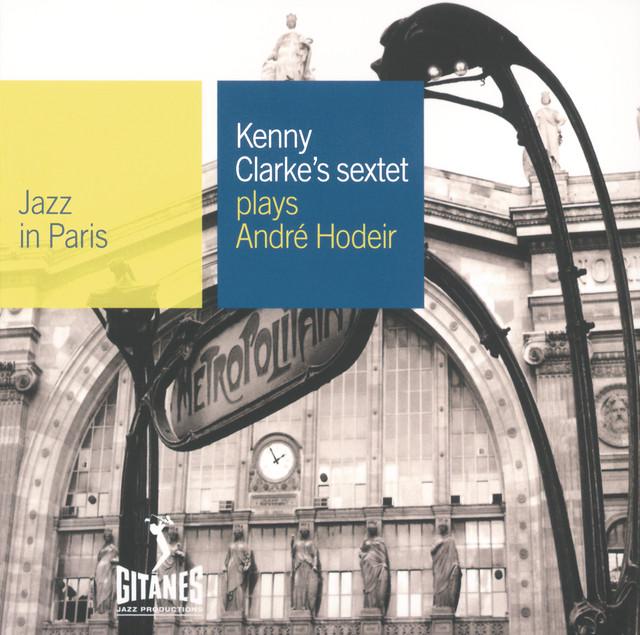
Kenny Clarke

Jazz
Bebop
 Viberate Rank: 103473
 Viberate Rank: 103473
 Monthly ListenersFollowers
 Subscribers
 Followers
 Followers
 FansTop Spotify Songs
| Track | 7-Day Streams | |
|---|---|---|
1 | 97.52K | |
2 | 28.04K | |
3 | 15.31K | |
4 | 15.31K | |
5 | 14.25K |
Top YouTube VideosMonthly ListenersFeatured in Playlists| Playlist | Followers | |
|---|---|---|
1 |  This Is Miles Davis Spotify | 250.86K |
2 |  real good shit Tom Misch | 165.63K |
3 |  Cool Jazz Spotify | 163.18K |
4 | 90s Dance Anthems Mark Jason | 47.94K |
5 |  Red Wine Over Dinner 118614068 | 45.80K |
Audience| City | Monthly Listeners | |
|---|---|---|
1 |  | 199 |
2 |  | 145 |
3 |  | 133 |
4 |  | 130 |
5 |  | 127 |
See full performance history, audience data, playlist activity, rankings, comparisons, and more in Viberate music analytics. Start with a free trial, then continue with a paid plan.
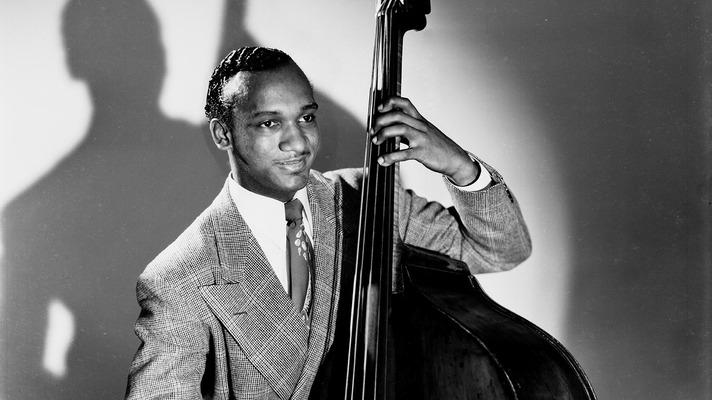
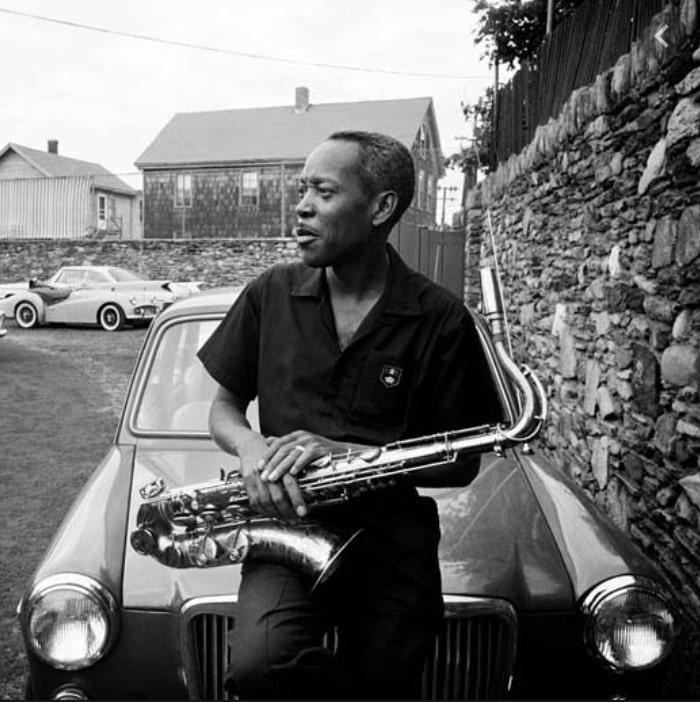
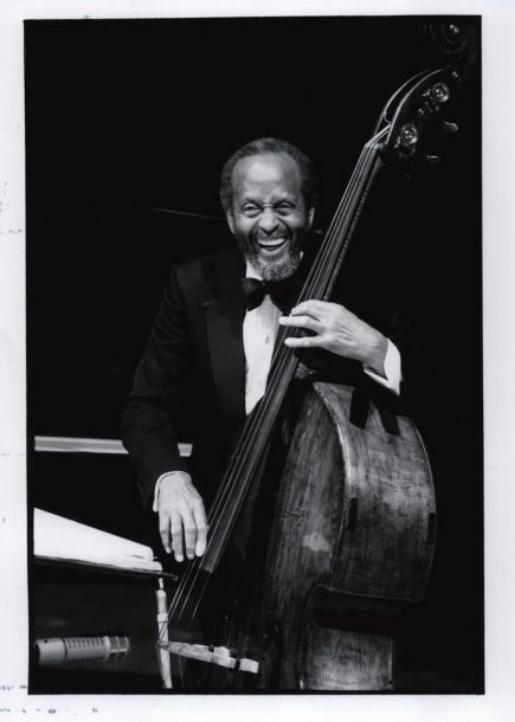
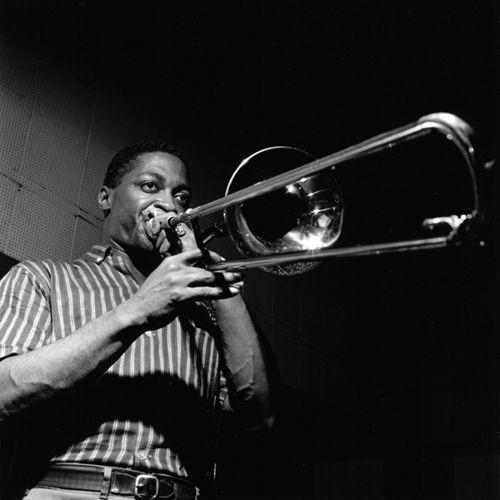
Kenny Clarke’s Spotify BioKenny Clarke was a highly influential if subtle drummer who helped to define bebop drumming. He was the first to shift the time-keeping rhythm from the bass drum to the ride cymbal, an innovation that has been copied and utilized by a countless number of drummers since the early '40s.
Clarke played vibes, piano and trombone in addition to drums while in school. After stints with Roy Eldridge (1935) and the Jeter-Pillars band, Clarke joined Edgar Hayes' Big Band (1937-38). He made his recording debut with Hayes (which is available on a Classics CD) and showed that he was one of the most swinging drummers of the era. A European tour with Hayes gave Clarke an opportunity to lead his own session, but doubling on vibes was a definite mistake! Stints with the orchestras of Claude Hopkins (1939) and Teddy Hill (1940-41) followed and then Clarke led the house band at Minton's Playhouse (which also included Thelonious Monk). The legendary after-hours sessions led to the formation of bop and it… was during this time that Clarke modernized his style and received the nickname "Klook-Mop" (later shortened to "Klook") due to the irregular "bombs" he would play behind soloists. A flexible drummer, Clarke was still able to uplift the more traditional orchestras of Louis Armstrong and Ella Fitzgerald (1941) and the combos of Benny Carter (1941-42), Red Allen and Coleman Hawkins; he also recorded with Sidney Bechet. However after spending time in the military, Clarke stayed in the bop field, working with Dizzy Gillespie's big band and leading his own modern sessions; he co-wrote "Epistrophy" with Monk and "Salt Peanuts" with Gillespie. Clarke spent the late '40s in Europe, was with Billy Eckstine in the U.S. in 1951 and became an original member of the Modern Jazz Quartet (1951-55). However he felt confined by the music and quit the MJQ to freelance, performing on an enormous amount of records during 1955-56.
In 1956 Clarke moved to France where he did studio work, was hired by touring American all-stars and played with Bud Powell and Oscar Pettiford in a trio called the Three Bosses (1959-60). Clarke was co-leader with Francy Boland of a legendary all-star big band (1961-72), one that had Kenny Clarke playing second drums! Other than a few short visits home, Kenny Clarke worked in France for the remainder of his life and was a major figure on the European jazz scene. ~ Scott Yanow, Rovi
Viberate is a music analytics platform built for A&Rs, artist managers, labels, booking agents, marketers, and artists.
It helps music professionals track artist growth, analyze audience data, monitor playlist activity, compare artists, follow song performance, and identify opportunities across the music market.
Public artist pages provide a free preview of selected artist data. Paid plans provide access to deeper analytics, historical data, charts, comparisons, playlist tools, exports, alerts, reports, and additional professional features.
Yes. Public Viberate artist pages provide selected artist analytics and music data for free.
Viberate also offers a 7-day free trial of the full platform. A credit card is required to start the trial. The trial includes access to the complete product so users can test deeper artist analytics, historical views, playlist insights, comparisons, charts, exports, alerts, and reporting features before choosing a paid plan.
Viberate provides artist analytics across streaming, playlists, social media, video, radio airplay, songs, and audience markets.
Users can analyze Spotify performance, Spotify and Apple Music playlists, YouTube activity, TikTok and Instagram growth, radio spins, song performance, audience locations, demographics, rankings, and overall artist momentum.
Artist profiles also connect to music charts, similar artists, and comparison tools, helping users benchmark performance and evaluate artists in context.
Viberate updates key artist and track data daily.
For followed artists and tracks, selected data is refreshed multiple times per day. This helps teams monitor playlist changes, streaming movement, audience growth, releases, and campaign performance with more current data.
Update frequency can vary depending on the metric and data source.
Yes. Viberate lets users compare up to five artists side by side across streaming, social media, audience, and engagement metrics.
Users can compare fanbase growth, audience demographics, locations, Spotify performance, social metrics, and other artist data over selected time periods.
Artist comparison can be used for A&R scouting, benchmarking, booking decisions, campaign planning, and evaluating artists with similar audiences or market positions.