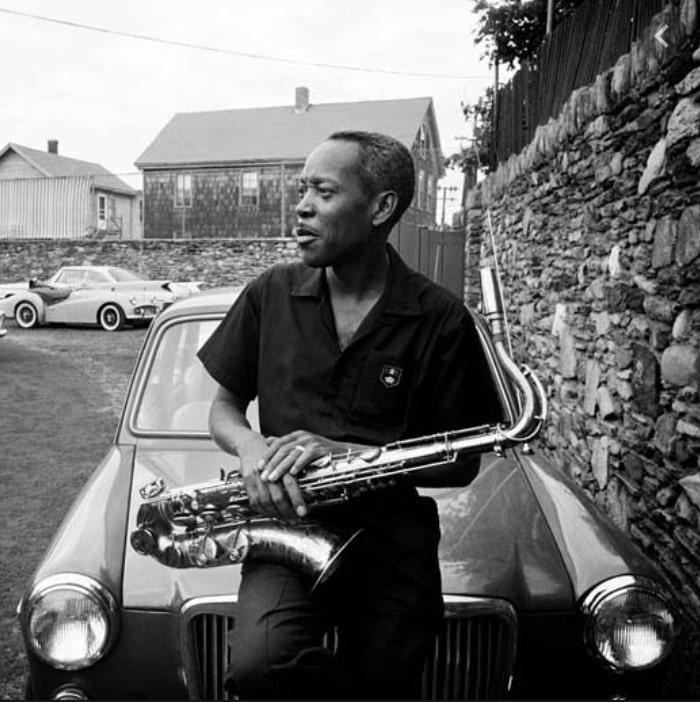
Sonny Stitt

Jazz
Bebop
 Viberate Rank: 65157
 Viberate Rank: 65157
 Monthly ListenersFollowers
 Subscribers
 Followers
 Followers
 FansTop Spotify Songs
| Track | 7-Day Streams | |
|---|---|---|
1 | 57.90K | |
2 | 13.97K | |
3 | 8.33K | |
4 | 6.64K | |
5 | 5.91K |
Top YouTube VideosMonthly ListenersFeatured in Playlists| Playlist | Followers | |
|---|---|---|
1 |  Jazz Classics Spotify | 5.08M |
2 |  Dark Academia Jazz Spotify | 282.77K |
3 |  Instrumental Jazz Standards Spotify | 184.09K |
4 |  Just Jazz Spotify | 173.61K |
5 |  In the Mood for Jazz Spotify | 144.33K |
Audience| City | Monthly Listeners | |
|---|---|---|
1 | | 4.18K |
2 |  | 3.43K |
3 | | 2.82K |
4 | | 2.63K |
5 |  | 2.45K |
See full performance history, audience data, playlist activity, rankings, comparisons, and more in Viberate music analytics. Start with a free trial, then continue with a paid plan.
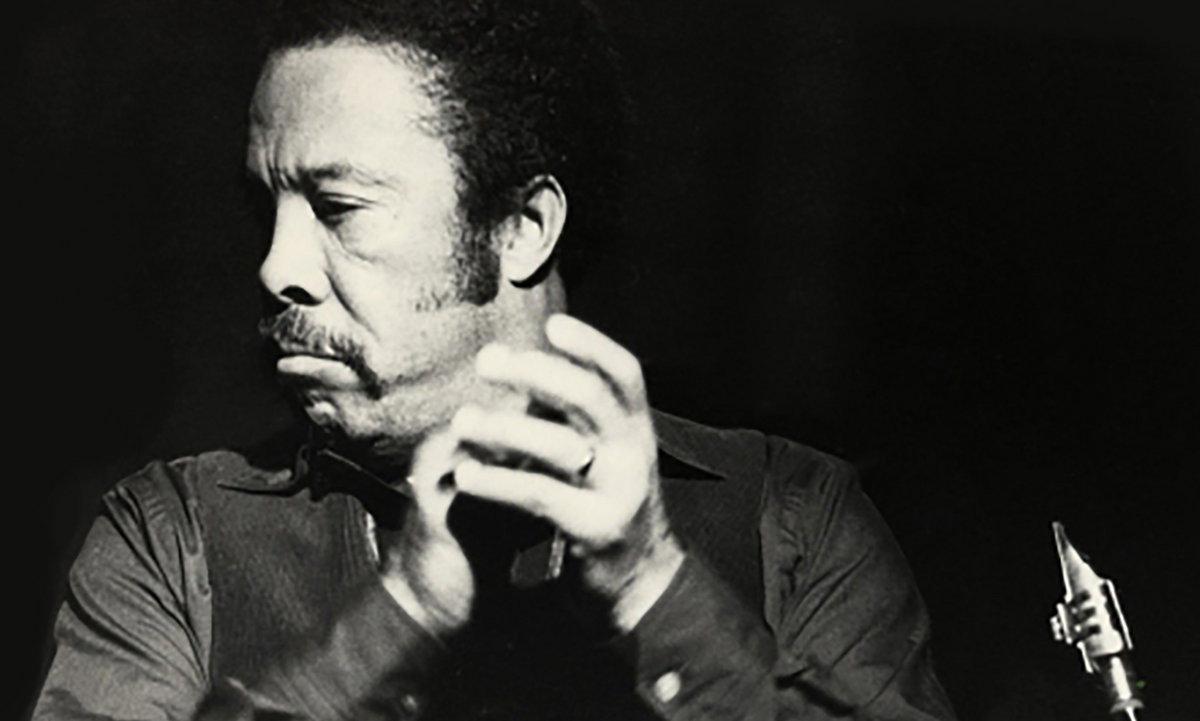
Sonny Stitt’s Spotify BioCharlie Parker has had many admirers and his influence can be detected in numerous styles, but few have been as avid a disciple as Sonny Stitt. There was almost note-for-note imitation in several early Stitt solos, and the closeness remained until Stitt began de-emphasizing the alto in favor of the tenor, on which he artfully combined the influences of Parker and Lester Young. Stitt gradually developed his own sound and style, though he was never far from Parker on any alto solo. A wonderful blues and ballad player whose approach influenced John Coltrane, Stitt could rip through an up-tempo bebop stanza, then turn around and play a shivering, captivating ballad. He was an alto saxophonist in Tiny Bradshaw's band during the early '40s, then joined Billy Eckstine's seminal big band in 1945, playing alongside other emerging bebop stars like Gene Ammons and Dexter Gordon. Stitt later played in Dizzy Gillespie's big band and sextet. He began on tenor and baritone in 1949, and at times was… in a two-tenor unit with Ammons. He recorded with Bud Powell and J.J. Johnson for Prestige in 1949, then did several albums on Prestige, Argo, and Verve in the '50s and '60s. Stitt led many combos in the '50s, and re-joined Gillespie for a short period in the late '50s. After a brief stint with Miles Davis in 1960, he reunited with Ammons and for a while was in a three-tenor lineup with James Moody. During the '60s, Stitt also recorded for Atlantic, cutting the transcendent Stitt Plays Bird, which finally addressed the Parker question in epic fashion. He continued heading bands, though he joined the Giants of Jazz in the early '70s. This group included Gillespie, Art Blakey, Kai Winding, Thelonious Monk, and Al McKibbon. Stitt did more sessions in the '70s for Cobblestone, Muse, and others, among them another definitive date, Tune Up. He continued playing and recording in the early '80s, recording for Muse, Sonet, and Who's Who in Jazz. He suffered a heart attack and died in 1982. ~ Ron Wynn and Bob Porter, Rovi
Viberate is a music analytics platform built for A&Rs, artist managers, labels, booking agents, marketers, and artists.
It helps music professionals track artist growth, analyze audience data, monitor playlist activity, compare artists, follow song performance, and identify opportunities across the music market.
Public artist pages provide a free preview of selected artist data. Paid plans provide access to deeper analytics, historical data, charts, comparisons, playlist tools, exports, alerts, reports, and additional professional features.
Yes. Public Viberate artist pages provide selected artist analytics and music data for free.
Viberate also offers a 7-day free trial of the full platform. A credit card is required to start the trial. The trial includes access to the complete product so users can test deeper artist analytics, historical views, playlist insights, comparisons, charts, exports, alerts, and reporting features before choosing a paid plan.
Viberate provides artist analytics across streaming, playlists, social media, video, radio airplay, songs, and audience markets.
Users can analyze Spotify performance, Spotify and Apple Music playlists, YouTube activity, TikTok and Instagram growth, radio spins, song performance, audience locations, demographics, rankings, and overall artist momentum.
Artist profiles also connect to music charts, similar artists, and comparison tools, helping users benchmark performance and evaluate artists in context.
Viberate updates key artist and track data daily.
For followed artists and tracks, selected data is refreshed multiple times per day. This helps teams monitor playlist changes, streaming movement, audience growth, releases, and campaign performance with more current data.
Update frequency can vary depending on the metric and data source.
Yes. Viberate lets users compare up to five artists side by side across streaming, social media, audience, and engagement metrics.
Users can compare fanbase growth, audience demographics, locations, Spotify performance, social metrics, and other artist data over selected time periods.
Artist comparison can be used for A&R scouting, benchmarking, booking decisions, campaign planning, and evaluating artists with similar audiences or market positions.