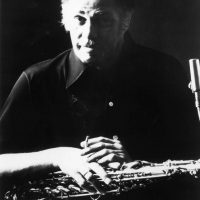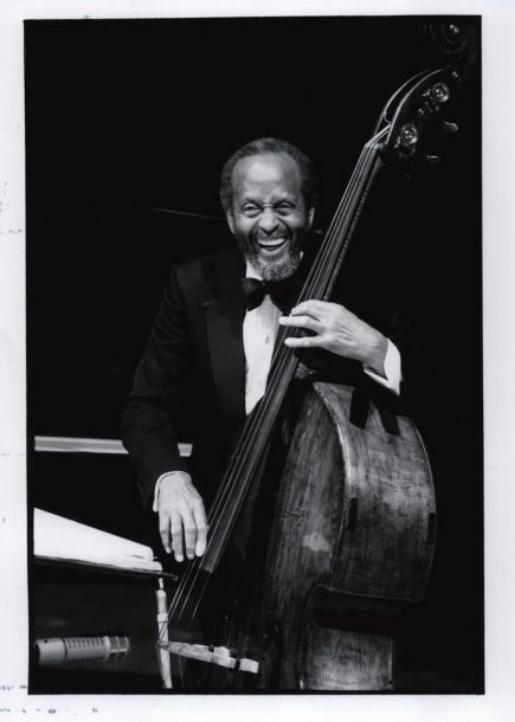
Percy Heath

Jazz
Bebop
Smooth Jazz
 Viberate Rank: 186502
 Viberate Rank: 186502
 Monthly ListenersFollowers
 Subscribers
 Followers
 Followers
 FansTop Spotify Songs
| Track | 7-Day Streams | |
|---|---|---|
1 | 31.06K | |
2 | 8.77K | |
3 | 5.20K | |
4 | 5.13K | |
5 | 4.58K |
Top YouTube VideosMonthly ListenersFeatured in Playlists| Playlist | Followers | |
|---|---|---|
1 |  This Is Miles Davis Spotify | 250.85K |
2 |  slow jazz Joel Krigström | 64.67K |
3 |  JAZZ CHILLOUT 1296362009 | 44.19K |
4 |  This Is Thelonious Monk Spotify | 43.73K |
5 | 100 Essential Jazz Standards You Should Know cambridgesax | 33.80K |
Audience| City | Monthly Listeners | |
|---|---|---|
1 | | 1.25K |
2 | | 1.02K |
3 | | 820 |
4 | | 819 |
5 | | 496 |
See full performance history, audience data, playlist activity, rankings, comparisons, and more in Viberate music analytics. Start with a free trial, then continue with a paid plan.
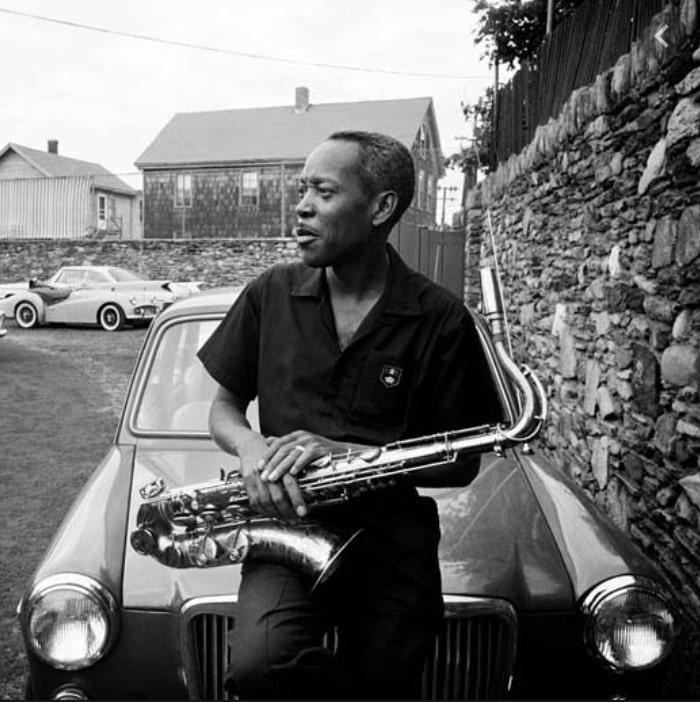
Percy Heath’s Spotify BioA product of one of jazz's most illustrious families, Percy Heath and his sublime, swinging bass served as the cornerstone of the Modern Jazz Quartet for over four decades. Heath was born in Wilmington, NC, on April 23, 1930. The second of four children, he was raised in Philadelphia, receiving his first instrument, a violin, at the age of eight. He was drafted into the U.S. Army in 1944, and assigned to fly P-4s and P-47s as a member of the Tuskegee Airmen. Heath managed to avoid combat, and after World War II ended, he purchased a standup bass and enrolled in Philadelphia's Granoff School of Music. After a stint behind pianist Red Garland, he signed on with the house band at the local Down Beat Club. There he met bebop trumpeter Howard McGhee, and by 1947, Heath and his saxophonist brother Jimmy were touring as members of McGhee's sextet, appearing the following year at the premiere Festival International de Jazz in Paris. The Heath brothers relocated to New York City in 1949, and… there Percy collaborated with a who's who of postwar jazz icons including Charlie Parker, Thelonious Monk, Miles Davis, and Sonny Rollins. From 1950 to 1952, he and Jimmy reunited as members of Dizzy Gillespie's sextet.
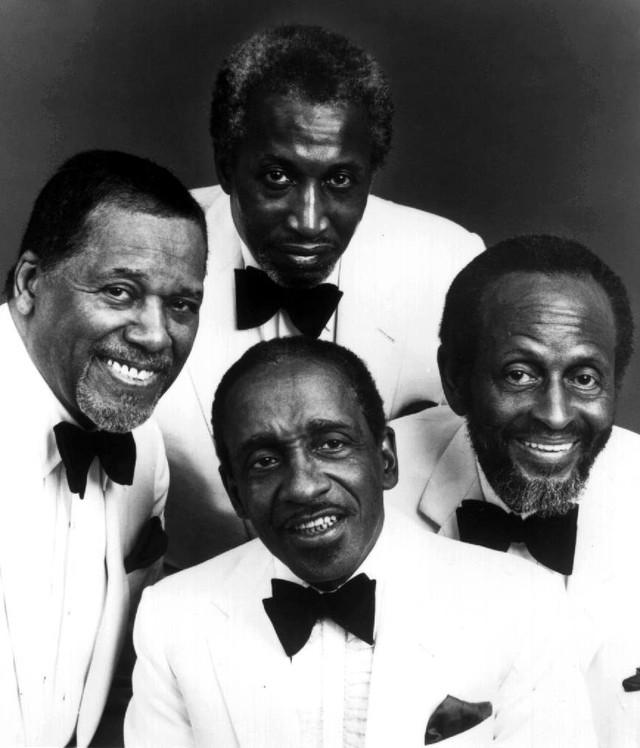
The roots of the Modern Jazz Quartet lie in Gillespie's sextet as well. Pianist John Lewis, vibraphonist Milt Jackson, bassist Ray Brown, and drummer Kenny Clarke met in 1946 as members of Gillespie's then-current lineup, and in 1951 formed the MJQ, originally dubbed the Milt Jackson Quartet in an effort to appease bookers in search of a formidable headliner. When Brown -- Heath's primary influence -- left the group in 1952, Heath was invited to take his place, with Jackson's top billing shelved in favor of the Modern Jazz Quartet. Honing a subtle, sophisticated bop aesthetic shaped by the structure and formalism of classical composition, the MJQ's music proved so intricate and demanding that shortly after joining the group, Heath was forced to study under bass titan Charles Mingus to improve his intonation. The MJQ first found favor in Europe, and when Clarke settled there permanently in 1955, drummer Connie Kay was named his replacement, cementing a lineup that would remain unchanged for close to two decades. Whenever the group was temporarily inactive, Heath returned to his busy session schedule, by his own count playing on more than 300 LPs over the course of his career. In contrast to the elegant restraint that typified his MJQ playing, his freelance work captured the bassist at his most dynamic and propulsive.
Financial considerations forced the Modern Jazz Quartet to dissolve in 1974, at which time Heath teamed with brother Jimmy and their youngest sibling, drummer Albert, in the Heath Brothers. Boasting a more freewheeling, mainstream sound than the MJQ, the vehicle also allowed Percy to explore the cello, which he retuned to bass intervals. The Heath Brothers recorded and toured intermittently over the next two decades, their work interrupted in 1983 when the MJQ re-formed to accept a lucrative offer to tour Japan. The group reconvened often in the years to follow, with Albert Heath assuming the drummer's seat following Kay's 1994 death. In 1997 Percy announced his intention to retire from the grind of touring, and the MJQ quietly dissolved. Jackson died in 1999, Lewis two years later. Although Heath occasionally performed with his brothers, his twilight years were largely spent fishing in and around his home on Long Island. In 2004, the small Daddy Jazz label released A Love Song, the 81-year-old Heath's first and last recording as a bandleader. He died following a struggle with bone cancer on April 28, 2005. ~ Jason Ankeny, Rovi
Viberate is a music analytics platform built for A&Rs, artist managers, labels, booking agents, marketers, and artists.
It helps music professionals track artist growth, analyze audience data, monitor playlist activity, compare artists, follow song performance, and identify opportunities across the music market.
Public artist pages provide a free preview of selected artist data. Paid plans provide access to deeper analytics, historical data, charts, comparisons, playlist tools, exports, alerts, reports, and additional professional features.
Yes. Public Viberate artist pages provide selected artist analytics and music data for free.
Viberate also offers a 7-day free trial of the full platform. A credit card is required to start the trial. The trial includes access to the complete product so users can test deeper artist analytics, historical views, playlist insights, comparisons, charts, exports, alerts, and reporting features before choosing a paid plan.
Viberate provides artist analytics across streaming, playlists, social media, video, radio airplay, songs, and audience markets.
Users can analyze Spotify performance, Spotify and Apple Music playlists, YouTube activity, TikTok and Instagram growth, radio spins, song performance, audience locations, demographics, rankings, and overall artist momentum.
Artist profiles also connect to music charts, similar artists, and comparison tools, helping users benchmark performance and evaluate artists in context.
Viberate updates key artist and track data daily.
For followed artists and tracks, selected data is refreshed multiple times per day. This helps teams monitor playlist changes, streaming movement, audience growth, releases, and campaign performance with more current data.
Update frequency can vary depending on the metric and data source.
Yes. Viberate lets users compare up to five artists side by side across streaming, social media, audience, and engagement metrics.
Users can compare fanbase growth, audience demographics, locations, Spotify performance, social metrics, and other artist data over selected time periods.
Artist comparison can be used for A&R scouting, benchmarking, booking decisions, campaign planning, and evaluating artists with similar audiences or market positions.