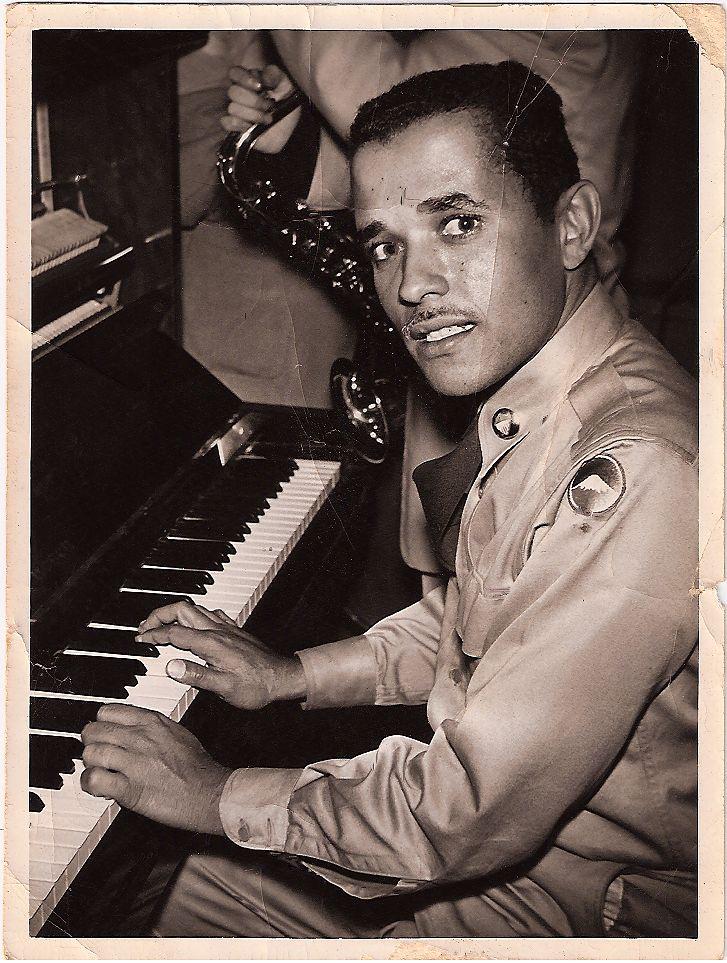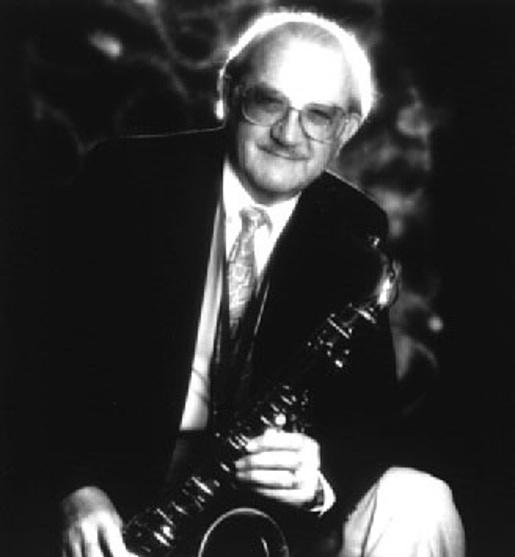
Bob Cooper

Jazz
Smooth Jazz
Big band Jazz
 Viberate Rank: 299372
 Viberate Rank: 299372
 Monthly ListenersFollowers
 Subscribers
 Followers
 Followers
 FansTop Spotify SongsTop YouTube VideosMonthly ListenersFeatured in Playlists
| Playlist | Followers | |
|---|---|---|
1 |  Cool Jazz Spotify | 163.18K |
2 |  Haruki Murakami's vinyl collection Masamaro | 109.94K |
3 |  club penguin pizza parlor Kelsie x The Yellow Button | 19.32K |
4 |  Jazz Live & Loud Spotify | 18.76K |
5 |  Fast Jazz! Filip Grbović | 10.84K |
Audience| City | Monthly Listeners | |
|---|---|---|
1 | | 219 |
2 | | 192 |
3 |  | 155 |
4 | | 151 |
5 | | 136 |
See full performance history, audience data, playlist activity, rankings, comparisons, and more in Viberate music analytics. Start with a free trial, then continue with a paid plan.
Bob Cooper’s Spotify BioLike many West Coast tenor saxophonists of his generation, Bob Cooper's style was based upon skillful emulation of Lester Young's velvety, vetiver-scented tone, harmonic ingenuity and sinuous technique. The best introduction to this artist would be Coop! The Music of Bob Cooper, released in 1958 by Contemporary Records. Initially known as an exponent of the Stan Kenton Orchestra, he branched out and spent four decades as an all-purpose session man, serving in the reed sections of multiple studio orchestras while maintaining a steady presence on the cool, bop-inflected West Coast mainstream jazz scene.
Born on December 6, 1925 in Pittsburgh, PA, Robert Cooper studied the clarinet in high school, took up the tenor saxophone in 1941, and was soon operating under the influence of Don Byas and Lucky Thompson. He became a member of the Stan Kenton Orchestra in 1945 and added the oboe to his musical equipage. In 1947 Coop was lucky enough to marry June Christy, one of Kenton's most… accomplished vocalists. While with Kenton he played behind Nat King Cole and alongside Art Pepper. After cutting loose from Kenton in 1951, Cooper made himself useful as a West Coast session man, absorbing fresh new currents of bop while refining and updating his musicianship. He added the English horn and bass clarinet to his arsenal of wind instruments, as well as the flute and both baritone and soprano saxes. During this period, while making records with drummer Shelly Manne, vocalist Annie Ross and guitarist Barney Kessel, his new sax idols were Lester Young and Sonny Stitt; this placed him in league with Brew Moore, Stan Getz and Zoot Sims. By 1954 he had joined forces with Pete Rugolo and Shorty Rogers, was sitting in with mambo king Perez Prado and leading his first recording sessions on Capitol.
During the second half of the decade he gigged with Howard Rumsey's Lighthouse All Stars in Hermosa Beach, accompanied June Christy on numerous recordings and toured with her through Japan, South Africa and Europe. In 1956 he collaborated with drummer Buddy Rich, alto saxophonist Bud Shank, tenor saxophonist Bill Perkins and with progressive clarinetist Jimmy Giuffre, who also joined Coop and Shelly Manne in a group backing the R&B vocal group known as the Treniers. Cooper also recorded extensively with the Buddy Bregman and Russ Garcia Orchestras backing vocalists Ella Fitzgerald, Bing Crosby and Anita O'Day; with the Marty Paich Dek-tette behind Mel Tormé and in the Pete Rugolo Orchestra with Patti Page. In 1957 Cooper recorded with drummer Max Roach and with John Graas, who specialized in playing jazz on the French horn.
In 1958 Bob Cooper made inroads into what would later qualify as archetypal lounge music by assisting Juan Garcia Esquivel on his landmark album Other Worlds Other Sounds. He was involved in another flashy project of similar vintage, Shorty Rogers' Manteca: Afro-Cuban Influence. In 1959 Cooper assumed partial ownership of Lighthouse Records Inc. He was present when Russ Garcia's Orchestra recorded with pianist Oscar Peterson and helped with the realization of Elmer Bernstein's score for Otto Preminger's sensationalistic film The Man with the Golden Arm. Coop can be heard on the soundtracks of numerous motion pictures from this period, with titles like "A Building Is Many Buildings" and "Mad at the World." The 1960s began for Cooper with an appearance on Ray Brown's Jazz Cello album and more session work behind singers like Mel Tormé and Peggy Lee. In 1966 he introduced his "Solo for Orchestra" with an orchestra under the direction of Stan Kenton. That same year he was paid to operate an oboe in a studio orchestra backing the TV pop/rock group known as the Monkees.
Bob Cooper's adventures during the '70s were varied enough to include sessions with the Frank Capp/Nat Pierce Juggernaut band; pop singer Paul Williams; the Michel Legrand Orchestra backing jazz vocalist Sarah Vaughan; Ernestine Anderson during the beginning of her U.S. comeback; vibraphonist Terry Gibbs; blues guitarist John Mooney on his very first album; Bob Florence and the Limited Edition Orchestra; alto saxophonist Gabe Baltazar with the Stan Kenton orchestra and a Lester Young tribute project with vocalist Joe Williams, saxophonist Dave Pell and trumpeter Harry "Sweets" Edison.
During the '80s he recorded in a typically broad range of styles and settings, appearing in a group led by drummer Jeff Hamilton, with an orchestra led by Nelson Riddle backing pop singer Linda Ronstadt; with trumpeter Snooky Young, vocalist Ernie Andrews, pianist Gene Harris, the Sammy Nestico Big Band, the Charlie Shoemake Orchestra, trumpeter Paul Cacia and a massive Kenton Alumni band; tenor saxophonist Bill Holman, singing pianist Michael Feinstein, vibraphonist Jon Nagourney and a "West Coast All Star" tribute to composer Jimmy Van Heusen featuring a reunion band of sorts led by drummer Vic Lewis.
Bob Cooper inaugurated the '90s by blowing his tenor sax on Madonna's Dick Tracy-inspired album I'm Breathless, followed by a cozy date with vocalist Sue Raney, and a double barrel blowing session with Doc Severinsen's featured tenor Pete Christlieb. He was heard on the soundtrack to Neil Simon's racy romantic comedy The Marrying Man, and in studio bands backing vocalists Manhattan Transfer, Rosemary Clooney, Jackie Cain and Roy Kral. The final months of his lengthy career found him characteristically busy, recording in a group led by pianist Frank Strazzeri, assisting with Frank Sinatra's commercially successful album of overdubbed Duets and accompanying vocalist Lucie Arnaz. Bob Cooper's last live recording was made during a concert performance with trumpeter Conte Candoli; weeks later, on August 5, 1993, he began to experience chest pains while driving home from a session where he'd played in a band backing vocalist Karrin Allyson. Slowing down and stopping his car on the shoulder of the Hollywood Freeway, Bob Cooper quietly succumbed to a heart attack at the age of 67. ~ arwulf arwulf, Rovi
Viberate is a music analytics platform built for A&Rs, artist managers, labels, booking agents, marketers, and artists.
It helps music professionals track artist growth, analyze audience data, monitor playlist activity, compare artists, follow song performance, and identify opportunities across the music market.
Public artist pages provide a free preview of selected artist data. Paid plans provide access to deeper analytics, historical data, charts, comparisons, playlist tools, exports, alerts, reports, and additional professional features.
Yes. Public Viberate artist pages provide selected artist analytics and music data for free.
Viberate also offers a 7-day free trial of the full platform. A credit card is required to start the trial. The trial includes access to the complete product so users can test deeper artist analytics, historical views, playlist insights, comparisons, charts, exports, alerts, and reporting features before choosing a paid plan.
Viberate provides artist analytics across streaming, playlists, social media, video, radio airplay, songs, and audience markets.
Users can analyze Spotify performance, Spotify and Apple Music playlists, YouTube activity, TikTok and Instagram growth, radio spins, song performance, audience locations, demographics, rankings, and overall artist momentum.
Artist profiles also connect to music charts, similar artists, and comparison tools, helping users benchmark performance and evaluate artists in context.
Viberate updates key artist and track data daily.
For followed artists and tracks, selected data is refreshed multiple times per day. This helps teams monitor playlist changes, streaming movement, audience growth, releases, and campaign performance with more current data.
Update frequency can vary depending on the metric and data source.
Yes. Viberate lets users compare up to five artists side by side across streaming, social media, audience, and engagement metrics.
Users can compare fanbase growth, audience demographics, locations, Spotify performance, social metrics, and other artist data over selected time periods.
Artist comparison can be used for A&R scouting, benchmarking, booking decisions, campaign planning, and evaluating artists with similar audiences or market positions.