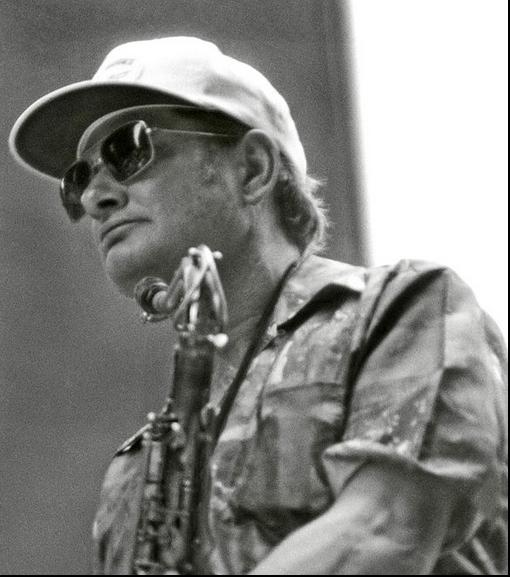
Junior Mance

Jazz
Smooth Jazz
Bebop
Classical Crossover
 Viberate Rank: 107070
 Viberate Rank: 107070
 Monthly ListenersFollowers
 Subscribers
 Followers
 Followers
 FansTop Spotify Songs
| Track | 7-Day Streams | |
|---|---|---|
1 | 69.49K | |
2 | 13.16K | |
3 | 11.85K | |
4 | 9.95K | |
5 | 8.90K |
Top YouTube VideosMonthly ListenersFeatured in Playlists| Playlist | Followers | |
|---|---|---|
1 |  Dark Academia Jazz Spotify | 282.77K |
2 |  70's Funky Jazz Fusion FunkPimp72 | 70.74K |
3 |  Essential Classics Essential Classics | 31.39K |
4 | Stars Hollow Complete Soundtrack Melissa Olson | 30.97K |
5 |  Haruki Murakami’s Late Night Jazz Music 𝘛𝘩𝘦 𝘗𝘦𝘯𝘴𝘪𝘷𝘦 𝘏𝘦𝘳𝘰𝘯 | 30.71K |
Audience| City | Monthly Listeners | |
|---|---|---|
1 | | 4.37K |
2 | | 3.63K |
3 |  | 3.32K |
4 | | 2.88K |
5 | | 2.85K |
See full performance history, audience data, playlist activity, rankings, comparisons, and more in Viberate music analytics. Start with a free trial, then continue with a paid plan.
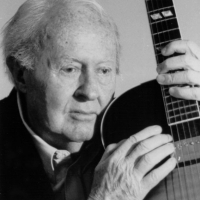
Junior Mance’s Spotify BioJunior Mance was well-known for his soulful bluesy style, but was also expert at playing bop standards. He started playing professionally when he was ten. Mance worked with Gene Ammons in Chicago between 1947 and 1949, played with Lester Young (1950), and was with the Ammons-Sonny Stitt group until he was drafted. He was the house pianist at Chicago's Bee Hive (1953 to 1954), worked as Dinah Washington's accompanist (1954 and 1955), was in the first Cannonball Adderley Quintet (1956 to 1957), and then spent two years touring with Dizzy Gillespie (1958 to 1960). After a few months with the Eddie "Lockjaw" Davis/Johnny Griffin group, Mance formed his own trio and was primarily a leader. He led sessions for Verve, Jazzland, Riverside, Capitol, Atlantic, Milestone, and Polydor, among other labels. In the '80s, Mance joined the faculty at the New School in New York City, teaching as part of their Jazz program. He also continued to record, issuing his last album, For My Fans, It’s All About… You, in 2015, one year before he retired from music. Junior Mance died on January 17, 2021 in his home in Manhattan after a struggle with Alzheimer’s disease; he was 92 years old. ~ Scott Yanow, Rovi
Viberate is a music analytics platform built for A&Rs, artist managers, labels, booking agents, marketers, and artists.
It helps music professionals track artist growth, analyze audience data, monitor playlist activity, compare artists, follow song performance, and identify opportunities across the music market.
Public artist pages provide a free preview of selected artist data. Paid plans provide access to deeper analytics, historical data, charts, comparisons, playlist tools, exports, alerts, reports, and additional professional features.
Yes. Public Viberate artist pages provide selected artist analytics and music data for free.
Viberate also offers a 7-day free trial of the full platform. A credit card is required to start the trial. The trial includes access to the complete product so users can test deeper artist analytics, historical views, playlist insights, comparisons, charts, exports, alerts, and reporting features before choosing a paid plan.
Viberate provides artist analytics across streaming, playlists, social media, video, radio airplay, songs, and audience markets.
Users can analyze Spotify performance, Spotify and Apple Music playlists, YouTube activity, TikTok and Instagram growth, radio spins, song performance, audience locations, demographics, rankings, and overall artist momentum.
Artist profiles also connect to music charts, similar artists, and comparison tools, helping users benchmark performance and evaluate artists in context.
Viberate updates key artist and track data daily.
For followed artists and tracks, selected data is refreshed multiple times per day. This helps teams monitor playlist changes, streaming movement, audience growth, releases, and campaign performance with more current data.
Update frequency can vary depending on the metric and data source.
Yes. Viberate lets users compare up to five artists side by side across streaming, social media, audience, and engagement metrics.
Users can compare fanbase growth, audience demographics, locations, Spotify performance, social metrics, and other artist data over selected time periods.
Artist comparison can be used for A&R scouting, benchmarking, booking decisions, campaign planning, and evaluating artists with similar audiences or market positions.