Kenny Drew

Jazz
Bebop
 Viberate Rank: 129105
 Viberate Rank: 129105
 Monthly ListenersFollowers
 Subscribers
 Followers
 Followers
 FansTop Spotify Songs
| Track | 7-Day Streams | |
|---|---|---|
1 | 13.17K | |
2 | 12.12K | |
3 | 10.60K | |
4 | 4.40K | |
5 | 3.85K |
Top YouTube VideosMonthly ListenersFeatured in Playlists| Playlist | Followers | |
|---|---|---|
1 |  Jazz Noir Spotify | 349.57K |
2 |  Focus Jazz Spotify | 330.08K |
3 |  Dark Academia Jazz Spotify | 282.77K |
4 |  Just Jazz Spotify | 173.61K |
5 |  Jazz Piano Classics Spotify | 158.63K |
Audience| City | Monthly Listeners | |
|---|---|---|
1 | | 1.17K |
2 |  | 1.04K |
3 |  | 911 |
4 | | 820 |
5 | | 691 |
See full performance history, audience data, playlist activity, rankings, comparisons, and more in Viberate music analytics. Start with a free trial, then continue with a paid plan.
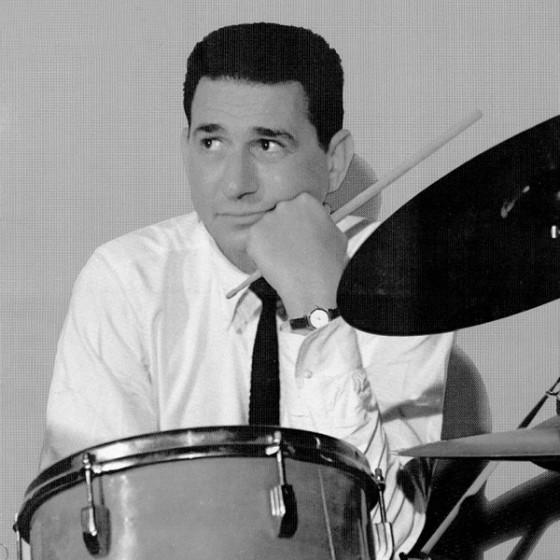
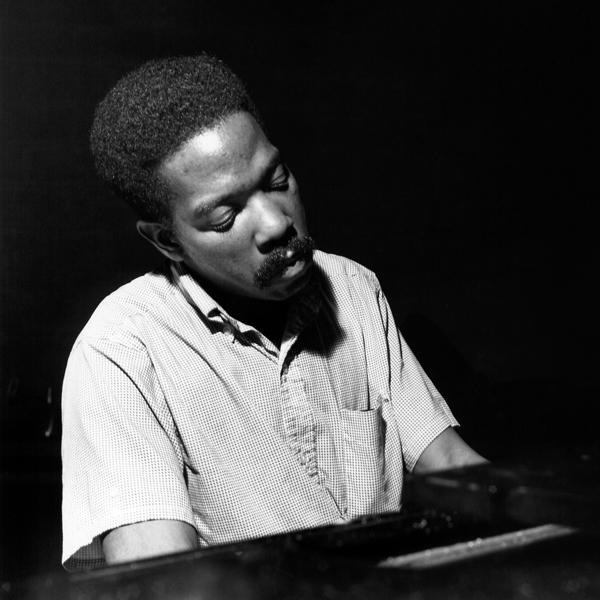
Kenny Drew’s Spotify BioA talented bop-based pianist (whose son has been one of the brightest pianists of the 1990s), Kenny Drew was somewhat underrated due to his decision to permanently move to Copenhagen in 1964. He made his recording debut in 1949 with Howard McGhee and in the 1950s was featured on sessions with a who's who of jazz, including Charlie Parker, Coleman Hawkins, Lester Young, Milt Jackson, Buddy DeFranco's quartet, Dinah Washington, and Buddy Rich (1958). Drew led sessions for Blue Note, Norgran, Pacific Jazz, Riverside, and the obscure Judson label during 1953-1960; most of the sessions are available on CD. He moved to Paris in 1961 and relocated to Copenhagen in 1964 where he was co-owner of the Matrix label. He formed a duo with Niels-Henning Orsted Pederson and worked regularly at the Montmartre. Drew recorded many dates for SteepleChase in the 1970s and remained active up until his death. ~ Scott Yanow, Rovi
Viberate is a music analytics platform built for A&Rs, artist managers, labels, booking agents, marketers, and artists.
It helps music professionals track artist growth, analyze audience data, monitor playlist activity, compare artists, follow song performance, and identify opportunities across the music market.
Public artist pages provide a free preview of selected artist data. Paid plans provide access to deeper analytics, historical data, charts, comparisons, playlist tools, exports, alerts, reports, and additional professional features.
Yes. Public Viberate artist pages provide selected artist analytics and music data for free.
Viberate also offers a 7-day free trial of the full platform. A credit card is required to start the trial. The trial includes access to the complete product so users can test deeper artist analytics, historical views, playlist insights, comparisons, charts, exports, alerts, and reporting features before choosing a paid plan.
Viberate provides artist analytics across streaming, playlists, social media, video, radio airplay, songs, and audience markets.
Users can analyze Spotify performance, Spotify and Apple Music playlists, YouTube activity, TikTok and Instagram growth, radio spins, song performance, audience locations, demographics, rankings, and overall artist momentum.
Artist profiles also connect to music charts, similar artists, and comparison tools, helping users benchmark performance and evaluate artists in context.
Viberate updates key artist and track data daily.
For followed artists and tracks, selected data is refreshed multiple times per day. This helps teams monitor playlist changes, streaming movement, audience growth, releases, and campaign performance with more current data.
Update frequency can vary depending on the metric and data source.
Yes. Viberate lets users compare up to five artists side by side across streaming, social media, audience, and engagement metrics.
Users can compare fanbase growth, audience demographics, locations, Spotify performance, social metrics, and other artist data over selected time periods.
Artist comparison can be used for A&R scouting, benchmarking, booking decisions, campaign planning, and evaluating artists with similar audiences or market positions.